Results for “Climbing”
Transcript mentions 2,191
See all ›
The Greatest Climber Alive: I Shouldn't Have Attempted That Climb!
0:49suburban kid. Nobody in my family is athletic. I just after 20 years of climbing 5 days a week and being really freaking scared, I respond differently5:24know, if you perform well, like if you do well, like if you're a good kid or whatever, you know what I mean? Where where did climbing come into your5:30life? Cuz I've got some I have found some photos of you climbing and you look your like with your sister, I believe. Here we go. This one here.
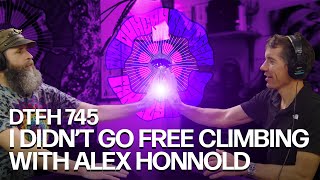
Alex Honnold DTFH 745
0:25And we w I will be climbing free climbing right after this. I'm going free climbing by myself up a big old mountain. And I'm not afraid anymore.4:22at climbing Every move. Yeah. Every move. Each universe. You fall on the first move,22:40I think in the in my home climbing gym when I was a kid after hours.
Topics & chapters 226
See all ›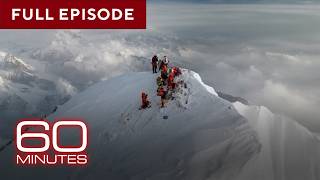
AI summaries 86
See all ›Alex Honnold DTFH 745
He shares insights on risk management in free solo climbing, the importance of parental trust in fostering childhood independence, and his foundation's work providing off-grid solar energy to communities worldwide.summaryRisk calculus in free soloing: Climbers must distinguish between acceptable risk and catastrophic failure. Honnold bails frequently when conditions are unsafe, viewing survival as paramount, whereas failure in normal clitakeawayParenting and risk: Honnold’s parents allowed him significant independence (biking 15 miles alone, climbing without supervision) because they trusted his judgment and viewed climbing as a healthy hobby with good academictakeaway
ALEX HONNOLD Sits Down For ONE Interview Before Free-Soloing the TALLEST Building in Taiwan.. LIVE.
Alex Honnold demystifies extreme climbing by framing it as a pursuit of joy, play, and intentional risk management rather than fearlessness.summaryVisualization in climbing involves mentally rehearsing specific movements, textures, and potential failure scenarios (like falling) to process discomfort in a safe environment before the actual climb.takeawayIntentional risk-taking (like climbing) is preferable to unintentional risk (like drunk driving) because the former involves preparation, choice, and awareness, whereas the latter is negligent.takeaway
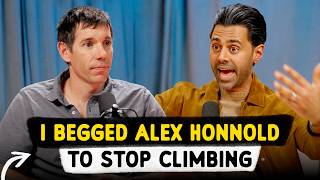
I BEGGED Alex Honnold to STOP CLIMBING
Alex Honnold discusses his philosophy on risk, distinguishing between physical fear and moral concern, while addressing the ethics of televised climbing and the impact of his work on public perception.summaryClimbing Ethics & Copycats: He argues that free soloing is self-limiting due to the high barrier of entry; untrained viewers are unlikely to attempt it because the technical skill required prevents them from even gettingtakeawayCareer Evolution: At 40, Honnold notes that recovery and lifestyle management are more critical than raw talent. He shifted from living in a van with erratic habits (eating Oreos before climbing) to a disciplined routinetakeaway
The Greatest Climber Alive: I Shouldn't Have Attempted That Climb!
The Illusion of Overnight Success: The public sees the result (e.g., Free Solo or Taipei 101), but not the 20-30 years of preparation. Honold spent years climbing El Capitan with ropes before attempting it free solo, bretakeawayValue Creation Precedes Economics: Honold’s career trajectory shows that focusing on doing the thing well (climbing) and providing value (through free work and passion projects) eventually leads to financial opportunitietakeaway“If you love rock climbing as much as I love rock climbing, no matter what your genetic disposition... you would just kind of work through all that stuff and you'd find your own path.”quote
Mountain Climbing | 60 Minutes Full Episodes
This video explores three distinct narratives centered on extreme mountaineering and human resilience: the commercialization of Everest and the Sherpa community's struggle for recognition, a charity program helping UkraisummaryThe content highlights the physical and mental toll of high-altitude climbing, the economic disparities in the industry, and the therapeutic power of confronting fear.summary