About this episodeCharlie Sheen discusses the creation of his memoir and documentary, detailing his journey from extreme drug ad…AI summary
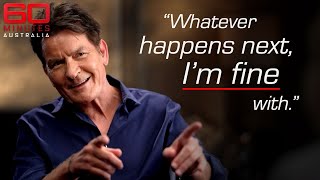
Charlie Sheen discusses the creation of his memoir and documentary, detailing his journey from extreme drug addiction and HIV diagnosis to sobriety and a renewed focus on family and creative autonomy. He reflects on his career choices, the pressures of fame, and the importance of owning his narrative without relying on external validation or traditional rehab models.
Key takeaways 5
Writing Process: Sheen initially hired a ghostwriter but fired them because the voice felt inauthentic; he switched to handwritten notes and self-directed outlining to ensure the story was told in his own voice.
HIV Diagnosis: He believes he contracted HIV during a specific period of experimentation with men, which occurred while he was heavily using crack cocaine, though he never identified the specific source.
Recovery Philosophy: Sheen rejects the traditional rehab model, viewing it as something done for others rather than self-ownership; he achieved sobriety through a personal realization triggered by a moment with his daughter.
Career Strategy: He emphasizes the importance of autonomy, preferring projects where he is his own boss rather than following directions from executives who lack his personal experience.
Financial Reality: He acknowledges that his lifestyle was unsustainable and that his friend Eddie Brawner feared someone would die from the pace; he now scales back materially to focus on what matters.
Notable quotes 5AI-generated: wording and quote attribution may be wrong. Use the play link to verify.
“The more glitz and deloonery one relies upon for their identity, the more unidentified one remains.”
▶ 01:43:41Sheen explains a term he invented ('deloonery') to describe how materialism and fame can obscure one's true self.
“It's hard to ask for help when somebody else has raised your hand for you.”
▶ 01:32:11Sheen discusses why he felt traditional interventions and rehab were inauthentic, leading him to choose his own path to sobriety.
“Nobody ODed, everybody got laid. How about that?”
▶ 00:30Sheen describes his best night with the Jackson 5, highlighting the chaotic but successful nature of his past lifestyle.
“I don't have a DUI in this lifetime and I never will. But it's um people would think that if anybody would have a DUI, it's me, right? And I don't have that. It's not on my resume because I never mix the cuffs with the wheel.”
▶ 01:34:19Sheen reflects on his sobriety and personal boundaries, noting he avoided driving under the influence despite his history.
“The book though I did and that I'm really proud of... I don't know if I'm ready to give up the autonomy of being my own boss because that's something I hadn't felt in 40 years.”
▶ 01:53:04Sheen explains why writing his book was so rewarding compared to acting roles where he had to follow others' directions.
Chapters & Sections (126)▼
00:00HIV Diagnosis and Lifestyle Choiceschapter
04:10Author's Experience with Ghost Writerchapter3
04:10Author's Writing Process and Authenticity
04:47Author Hires Book Doctor for Guidance
05:37Author Asserting Dominance on the Page
06:04Author's Writing Process and Self-Doubtchapter2
06:04Disagreement and Personal Growth Experience
06:48Author's Writing Process and Creative Struggles
07:43Author's Writing Process and Book Releasechapter3
07:43Personal Reflections on Past and Future
08:19Childhood Memories and Parental Influence
08:55Discussion on Book and Documentary Release
09:32Author Discusses Negotiations with Netflixchapter
11:20Family First and Traveling with the Familychapter
12:49Financial struggles and camping as a familychapter
 1h 30m
 1h 35m
 1h 25m
 1h 17m
 1h 9m
1h 9m 1h 13m
 1h 13m
 1h 47m
 1h 32m
 1h 57m
![Kobe Bryant's NBA journey: Homelessness fight, Shaq rivalry, and the 81-point game [2012]](https://img.youtube.com/vi/2q-KzG7eo0w/mqdefault.jpg) 57m
57m 1h 5m
1h 5m 56m⏭ 1
 1h 1m⏭ 4
 1h 12m⏭ 4
 2h 28m
 1h 55m
 34m
34m 2h 13m⏭ 3
 ⏭ 2
⏭ 2 1h 34m
 1h 33m⏭ 4
 19m
19m 1h 45m
 1h 46m⏭ 3
 1h 40m⏭ 3
 4h 22m
 1h 28m
 2h 24m⏭ 8
 55m⏭ 1
 58m
58m 1h 6m⏭ 1
 2h 47m
 20h 40m⏭ 10
 3h 45m⏭ 2
 1h 0m⏭ 1
 33m
33m 3h 54m⏭ 7
 54m⏭ 1
 3h 59m⏭ 5
 54m⏭ 2
 46m
46m 6h 26m
 1h 16m⏭ 2
 9h 11m
 1h 13m
 1h 26m