About this episodeDr. Phil and Sarah Carden analyze the deliberation dynamics of the Lindsay Clancy jury, focusing on the tensio…AI summary
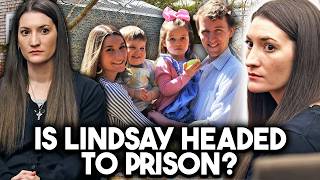
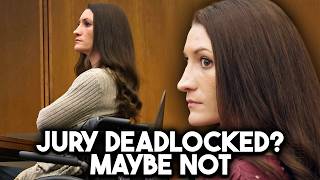
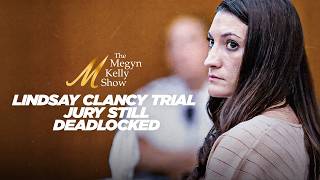
Dr. Phil and Sarah Carden analyze the deliberation dynamics of the Lindsay Clancy jury, focusing on the tension between empathy for postpartum psychosis and the public's demand for justice. They discuss how jury composition (9 women, 3 men), the lack of a clear motive, and the legal definitions of insanity will influence the verdict, predicting a likely 'not criminally responsible' outcome rather than acquittal or first-degree murder.
Key takeaways 6
Jury Selection Strategy: In complex trials, attorneys must consider all 18 potential jurors (including alternates) because any of them can be selected via lottery to deliberate, meaning deselection is as critical as selection.
Foreman vs. Leader: The foreman is often a procedural 'traffic cop' or clerk who manages logistics and communication with the court, while actual leadership and influence within the jury room are determined by who has persuasive power or specialized knowledge.
Public Opinion Shift: There is a noticeable rise in public sentiment demanding a murder conviction, driven by backlash against the 'poster girl' narrative for women's rights and a desire for justice for the victims, contrasting with earlier sympathy for the defendant.
Mental Health Perception Gap: Jurors without personal experience with delusional systems often underestimate the power of psychiatric medication and mental illness to override free will, comparing it to losing equilibrium on a merry-go-round rather than a simple choice.
Verdict Prediction: An acquittal is considered highly unlikely; the most probable outcomes are a conviction for murder or a 'not criminally responsible due to insanity' verdict, with manslaughter being a poor fit for the facts.
Procedural Complexity: Jurors must navigate complex jury instructions involving specific elements of first-degree murder (premeditation, extreme atrocity/cruelty factors) and the M'Naghten standard for insanity, which requires proving a lack of capacity to appreciate wrongfulness or conform conduct to the law.
Notable quotes 4AI-generated: wording and quote attribution may be wrong. Use the play link to verify.
“You actually don't pick a jury, you deselect a jury. So, you need to make sure that you're considering all 18 personalities because any one of them is subject to getting into that jury deliberation room.”
▶ 5:00Explaining the strategic importance of considering alternate jurors during selection in complex trials.
“A sane woman does not kill her children. I don't care if she premeditated it, didn't premeditate it, planned on dying, didn't plan on dying. What the hell kind of woman would kill her own precious children? You got to be one screwed up individual to do that.”
▶ 16:20Dr. Phil's common-sense argument that the act itself suggests insanity unless there is a tangible motive.
“If you have a biochemical imbalance in your brain that's been induced by a chemical cocktail, you can't use a normal yardstick to measure how something is or how something should go.”
▶ 39:40Sarah Carden explaining why jurors may struggle to understand the defendant's actions without experiencing delusional systems themselves.
“Postpartum psychosis is a psychological emergency. It's a psychiatric emergency. It's a medical emergency. And if you get in that kind of situation, it's not one where you adjust medication. It's not one where you schedule an appointment for next week. It is an impatient emergency.”
▶ 40:53A critical takeaway for the public regarding the immediate danger and required response to postpartum psychosis.
Chapters & Sections (17)▼
0:05Jury Selection and Deliberation Dynamicschapter3
2:15Jury Selection and Deliberation Process
3:54Jury Selection and Replacement Dynamics
5:58Jury Foreman Role and Leadership Dynamics
8:38Jury Dynamics and Public Opinion on Postpartum Psychosischapter1
11:50M'Naghten Standard and Insanity Defense
14:40Jury Empathy and Insanity Defense Motivechapter1
18:16Psychotropic Meds and Reality Distortion
20:07Jury Deliberation Dynamics and Public Perceptionchapter2
23:06Jury Deliberation Process and Morality
25:12Jury Deliberation and Influence
27:20Jury Deliberation on Murder Charges and Insanitychapter2
29:19Jury Deliberation on Murder and Insanity Verdicts
33:20Lesser Included Charges and Prosecution Strategy
35:34Jury Deliberation and Postpartum Psychosischapter2
39:18Delusional Beliefs and Postpartum Psychosis Emergency
 18m
18m 31m⏭ 1
 25m⏭ 1
 51m⏭ 2
 20m⏭ 1
 22m⏭ 1
 18m⏭ 1
 52m⏭ 2
 23m
23m 41m⏭ 2
 31m
31m 37m
37m 6h 26m
 1h 9m⏭ 2
 56m⏭ 1
 3h 13m
 1h 54m⏭ 2
 3h 20m⏭ 1
 1h 29m
 2h 29m
 3h 59m⏭ 7
 43m
43m 3h 27m
 41m⏭ 1
 11h 23m⏭ 1
 33m
33m 1h 0m⏭ 1
 46m
46m 48m⏭ 2
 3h 54m⏭ 7
 3h 59m⏭ 5
 1h 13m
 38m
38m 1h 16m
 54m⏭ 2
 54m⏭ 1