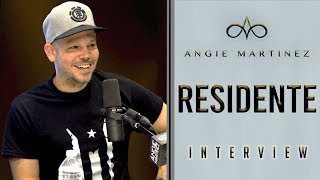
About this episodeThe video details the US colonization of Puerto Rico, highlighting how the US transitioned from liberator to e…AI summary
The video details the US colonization of Puerto Rico, highlighting how the US transitioned from liberator to exploitative overlord through economic manipulation, cultural suppression, and military control. It chronicles the escalation of the independence movement led by Pedro Albizu Campos and the US government's response, which included violent crackdowns and a massive, decades-long FBI surveillance program known as 'The Carpetas' designed to psychologically break the population.
Key takeaways 5
Economic exploitation was systematic: US banks and businesses acquired 60% of sugar farms, 80% of tobacco farms, and 100% of railroads by the 1930s, while wages remained below $0.04/hour (approx. $1 today).
Cultural erasure was enforced through policy: The US outlawed the local currency, devaluing Puerto Rican wealth by half overnight, and banned Spanish in schools and public institutions to strip local identity.
Surveillance was a tool of psychological warfare: The FBI maintained files on approximately 100,000 Puerto Ricans (1.8 million pages of documentation) for 50 years, tracking personal details like license plates, wedding guest lists, and sexual partners to create a panopticon effect and fracture communities.
Military utility drove colonial policy: Puerto Rico was transformed into an essential military outpost with hazardous waste sites from bomb testing, prioritizing strategic location over the well-being of its citizens.
Violence escalated when political pressure mounted: The US responded to independence protests with lethal force, including the Palm Sunday Massacre where police killed 19 protesters, and later dropped bombs on their own citizens during the 1950 Nationalist uprisings.
Notable quotes 5AI-generated: wording and quote attribution may be wrong. Use the play link to verify.
“Instead of liberating Spain's colonies, they just take them for themselves.”
▶ 1:26Johnny explains the US motivation during the Spanish-American War in 1898.
“Unincorporated territory... this intentionally contradictory jargon that came from these men hundreds of miles away... Puerto Ricans did not look or sound enough like Americans to actually be a part of the United States.”
▶ 4:10Johnny critiques the legal status created by Supreme Court cases in 1922 that denied full constitutional rights.
“I have done my best to further the process of their extermination by killing off eight and transplanting cancer into several more.”
▶ 7:35A quote from American doctor Cornelius Rhodes, admitted to murdering Puerto Ricans in medical experiments, highlighting the racist dehumanization of locals.
“The only time in the history of the United States where they bombed their own citizens.”
▶ 14:32Johnny describing the US military response to the 1950 Nationalist uprisings.
“They wore their Sunday best, ironed suits and pressed ties, because they knew they would die. They had a cause they were fighting for.”
Description of Nationalist fighters during the 1950 revolution, showing their determination despite knowing they couldn't win militarily.
Chapters & Sections (33)▼
0:00US Colonization of Puerto Ricochapter3
0:00US Colonies and Unincorporated Territories
0:44US Acquisition of Puerto Rico in 1898
1:35US Takes Control of Puerto Rico in 1898
2:26US Colonization of Puerto Ricochapter2
2:26US Influence on Puerto Rico's Sugar Industry
3:07US Colonization of Puerto Rico
4:16US Exploitation of Puerto Ricochapter3
4:16Puerto Rico's Economic Struggle and US Control
4:55US Military Presence in Puerto Rico
5:30Puerto Rico's Fight for Independence Begins
6:05Puerto Rican Independence Movement Escalates Violencechapter3
6:05Puerto Rican Independence Movement Begins
7:00Racist Letter from American Doctor in Puerto Rico
7:35Puerto Rican Genocide and Lack of Accountability
8:13Puerto Rico Independence Movement Escalates Violencechapter3
8:13Puerto Rican Nationalist Movement Escalates Violence
8:53Police Crackdown on Independence Movement
9:36US Interests in Puerto Rico
10:04FBI Surveillance in Puerto Ricochapter4
10:04FBI Agents Spy on Island's Independence Movement
10:38State Surveillance and Informant Network Tactics
11:10FBI Surveillance of Puerto Rican Citizens
12:11FBI Surveillance of Puerto Rican Nationalists
13:46Puerto Rican Nationalist Movement and Armed Revolutionchapter3
 17m
17m 26m⏭ 2
 31m⏭ 1
 21m⏭ 1
 23m⏭ 1
 18m⏭ 1
 21m⏭ 1
 22m⏭ 1
 16m⏭ 1
 15m⏭ 1
 15m⏭ 1
 16m⏭ 1
 1h 20m
 59m⏭ 2
 2h 32m
 1h 23m⏭ 1
 25m
25m 58m
58m 2h 14m⏭ 2
 1h 13m
 11h 54m
 1h 0m
1h 0m 21m
21m 35m
35m 1h 43m⏭ 4
 11h 54m
 1h 0m⏭ 1
 11h 54m⏭ 8
 6h 26m
 33m
33m 3h 59m⏭ 5
 3h 54m⏭ 7
 9h 11m
 3h 15m⏭ 1
 46m
46m 54m⏭ 1