Results for “knowledge”
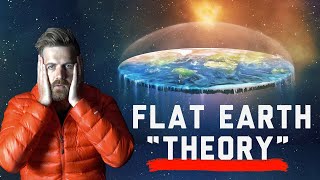
Why People Think the World is Flat
Ultimately, the content argues that Flat Earth belief is less about geography and more about a psychological rejection of abstract knowledge systems and authority.summaryScientific Consensus Mechanism: Science is described as a 'tower of knowledge' where individual researchers add bricks based on debate and scrutiny, meaning most people rely on trusted institutions rather than personal vtakeaway



Dr. Matthew Walker on Sleep for Enhancing Learning, Creativity, Immunity, and Glymphatic System
REM Sleep and Creativity: REM sleep performs 'informational alchemy,' fusing new memories with existing knowledge to create abstract connections and creative insights, distinct from the factual retention of deep non-REM takeaway“REM sleep is creating a revised mind wide web of associations... Deep sleep is about knowledge... REM sleep... is about wisdom.”quote


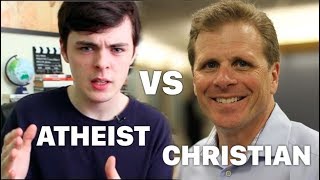
Alex O'Connor vs Frank Turek | The Moral Argument DEBATE
Alex O'Connor's Definition of Atheism: Atheism is a 'claim to belief' (lack of belief in God), not a full worldview or 'claim to knowledge' (agnosticism). Therefore, atheism itself cannot be disproven, though specific natakeaway“Agnosticism is a claim to knowledge, atheism is a claim to belief... I don't know if there's a God which I think is the rational position to take... because I don't know agnosticism I therefore don't believe and that's quote
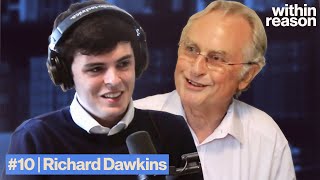
Richard Dawkins | Outgrowing God | On Atheism, Ethics, and Theology
Atheism vs. Agnosticism: Dawkins defines atheism as a lack of belief in supernatural beings due to lack of evidence and high improbability, rather than absolute knowledge. He distinguishes this from agnosticism, which hetakeawayTheological Engagement: Dawkins dismisses speculative theology (e.g., transubstantiation) as useless but acknowledges historical and literary scholarship within theology departments as valuable anthropological study. He takeaway


The Horrifying Details of Jesus' Birthday - Bart Ehrman
Scholars debate whether Luke used Matthew; the majority view is that they are independent accounts, though some argue Luke is later (c. 120 CE) based on knowledge of Josephus in Acts.takeawayEarly Christian views of Jesus evolved: Mark shows no knowledge of a virgin birth; Luke has an adoptionist view ('today I have begotten you'); John presents a pre-existent divine Word; Matthew and Luke present a virgin btakeaway
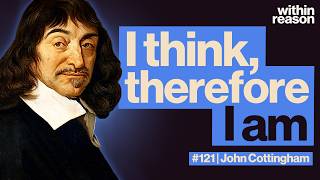
Descartes Explained: I Think, Therefore I Am
It highlights the tension between rationalism and empiricism, the nature of mind-body dualism, and the epistemological role of God in securing certain knowledge.summaryDescartes is a Rationalist, believing knowledge comes from innate ideas within the mind rather than external observation (Empiricism).takeawayDescartes' Dualism separates res cogitans (thinking substance/mind) from res extensa (extended substance/body), though he acknowledges psychophysical attributes like emotions arise from their union.takeaway