Results for “MTV”
Transcript mentions 2,183
See all ›
How Did Tom Freston Go From Smuggling Hashish to Building MTV?
19:30Believe you. This would end up helping me get a job later at MTV with Bob, a guy named Bob Pitman. This story, we22:47the whole idea of MTV together and get it on the air like an eight or nine months. Was that the first time you met Pitman?24:55the idea of cable and something like MTV was pretty radical. Yeah.
Matt Pinfield & Allison Hagendorf | The Magnificent Others with Billy Corgan
0:14Walk me inside MTV in those years. It felt like it was a world made for me.1:16I think I read you've done over 100 MTV specials, which uh Yeah. I mean, it's, you know, I was also when I got hired there, I filled in3:32I'm wrong fuse of course the the fuse which at one point was called the you know the the competitor of there was hoped it was going to be the competitor of MTV.

Topics & chapters 282
See all ›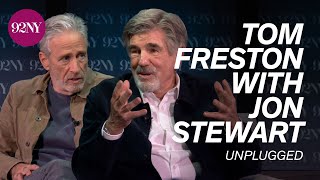
AI summaries 135
See all ›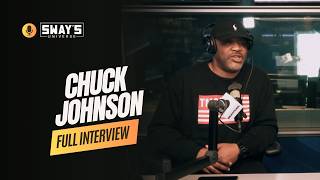
Before Yo! MTV Raps: The Real History of Soulbeat & Chuck Johnson | SWAY’S UNIVERSE
Chuck Johnson, a pioneer of hip-hop television, discusses the origins of his show Soulbeat, its influence on MTV's Yo MTV Raps, and the industry's historical lack of credit to Black creators.summarySoulbeat, created by Chuck Johnson in Oakland in 1978, was a pioneering hip-hop video show that predated and influenced Ralph McDaniels' Video Music Box and subsequently MTV's Yo MTV Raps.takeawayJohnson attributes the lack of early recognition for Bay Area artists on national platforms like MTV to internal industry competition and 'politics' among Black-owned networks (like CMC and Soulbeat) rather than just exttakeaway
How Did Tom Freston Go From Smuggling Hashish to Building MTV?
Tom Freston shares his journey from a counterculture youth working menial jobs in ski resorts to building MTV into a global media empire.summaryHe details how leveraging 'middle America' markets, bypassing gatekeepers through fan mobilization, and hiring inexperienced but creative individuals allowed MTV to revolutionize television.summaryMTV's initial success relied on targeting 'middle America' cable markets (e.g., Tulsa, Des Moines) where they had no competition, rather than major cities like NY or LA which lacked cable infrastructure at the time.takeaway
Tom Freston in Conversation with Jon Stewart: Unplugged
Tom Freston reflects on building MTV by prioritizing creative talent over traditional corporate structures, leveraging fan demand to force cable distribution, and navigating the shift from analog optimism to digital fragsummaryMTV's success was driven by a 'gorilla team' strategy where creative people were put in charge of networks rather than salespeople, fostering a culture where innovation was the primary competitive advantage.takeawayThe 'I Want My MTV' campaign succeeded by bypassing cable operators and record labels to directly engage artists (like Mick Jagger and David Bowie) who validated the network to fans, forcing operators to carry the channetakeaway
Matt Pinfield & Allison Hagendorf | The Magnificent Others with Billy Corgan
Matt Pinfield and Allison Hagendorf discuss the golden era of MTV, emphasizing how human curation and cultural credibility drove the rise of grunge and alternative rock, contrasting this with today's algorithm-driven lansummaryMTV's peak influence (early-mid 90s) relied on a collaborative ecosystem where labels provided free content to MTV, which then acted as the primary cultural driver; when MTV shifted to reality TV, labels lost their marketakeaway

how steve-o stalked his way into jackass
The conversation highlights the show's transition from low-budget skate videos to a MTV hit, navigating network censorship by leveraging an R-rated movie format to preserve creative freedom.summaryCensorship drove the Movie format: MTV's Standards and Practices imposed strict rules on bodily fluids and fire after liability concerns, leading Johnny Knoxville to quit the TV show unless it could be done uncensored, wtakeawayBudget vs. Profitability: Jackass was made for 'literally nothing' but generated the highest ratings and profit margins in MTV's history at that time, creating a tension between low production costs and high corporate litakeaway