Results for “Film”
Lee: Kate Winslet in Conversation with MTV’s Josh Horowitz
Kate Winslet discusses the decade-long journey of producing and starring in 'Lee', a biopic about war correspondent Lee Miller, highlighting the challenges of independent film financing and the importance of reframing MisummaryIndependent film production is currently extremely difficult, described as 'clinging on by its fingertips' post-COVID, requiring a 'if it happens it happens' attitude and prioritizing script development over speed.takeawayThe film's emotional core was strengthened by incorporating the discovery of Lee's childhood trauma by her son Anthony Penrose, which provided closure for the family and added depth to Lee's PTSD portrayal.takeaway
Gus Van Sant | Club Random with Bill Maher
Gus Van Sant and Bill Maher discuss the evolution of independent film financing, contrasting modern crowdfunding with historical budget constraints, while reflecting on the cultural shifts from the 1960s counterculture tsummaryIndependent film financing has shifted from traditional studio models to crowdfunding; Van Sant's 'Dead Man's Wire' was funded by 100 producers contributing approximately $100,000 each, totaling $10.8 million.takeawayThe cost of living and production has changed drastically; Van Sant compares his $10.8 million budget to the 1962 film 'Cleopatra' which cost $1 million, noting that while food is cheaper now, housing, college, and childtakeaway
Alien Truths, Government Secrets: Dan Farah Talks The Age of Disclosure
The film features bipartisan support from figures like Marco Rubio and Kirsten Gillibrand, who argue that public awareness is necessary to win a global technology race against adversaries like China and Russia.summaryThe documentary 'Age of Disclosure' became the number one rental and purchase on Amazon Prime, outperforming major studio films like Jurassic World and The Conjuring within its first 10 days.takeawayIntelligence officials in the film claim there is an 80-year cover-up of non-human intelligent life, with the 'Legacy Program' involving the CIA, Air Force, Department of Energy, and private defense contractors.takeaway
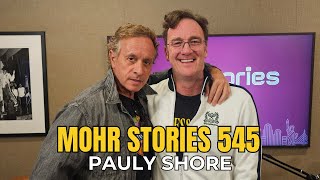
Mohr Stories 545: Pauly Shore
This conversation between Paulie Shore and Jay Moore covers personal recovery journeys, industry insights on film production costs, and reflections on their careers in comedy and acting.summaryKey themes include the impact of substance abuse on their lives, the changing landscape of Hollywood filming locations, and the enduring legacy of the Comedy Store.summaryFilm production has shifted from LA to states like Georgia and New Jersey due to cost efficiency, with drone technology now allowing for cheap aerial shots ($342) compared to expensive helicopter shoots of the past.takeaway
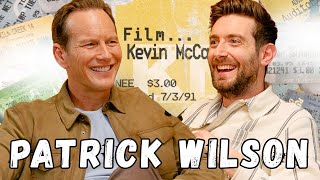
Patrick Wilson talks Jay Kelly, Conjuring, Insidious, Hard Candy, Ghost, A-Team, Little Children
Patrick Wilson discusses the evolution of his craft, emphasizing the importance of technical awareness in acting, the communal catharsis of horror films, and the enduring impact of cinema on audiences.summaryHe shares insights on maintaining professional boundaries on set, the emotional resonance of shooting on film, and his transition into producing and directing with a focus on musical theater.summaryHorror films provide a unique 'controlled release' of tension that offers psychological catharsis, particularly for children who may lack other outlets for processing fear.takeaway
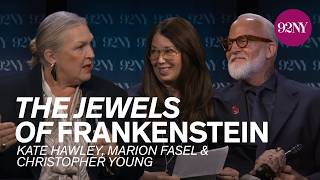
The Jewels of Frankenstein: Kate Hawley, Marion Fasel and Christopher Young
executive Christopher Breward detail the collaborative creation of jewelry and costumes for Guillermo del Toro's Frankenstein, emphasizing how archival pieces and custom designs were integrated to serve the film's visualsummaryThe project highlights a deep synergy between costume, set design, and jewelry, using historical Tiffany archives—particularly works by Meta Overbeck—to create a cohesive gothic aesthetic that mirrors the film's themes osummary
"Noah Hawley"
Noah Hawley discusses his creative process for adapting iconic films like 'Fargo' and 'Alien' into television series, emphasizing the shift from survival-based narratives to character-driven stories.summaryAdapting a 2-hour survival film into a TV series requires shifting focus from the monster to character investment over 10-50 hours; for 'Alien Earth', Hawley focused on the theme of humanity being trapped between nature takeaway“It's never about going back and rewatching the film... it's about thinking about how does that film live in my imagination and what are the feelings that it brings up in me.”quote
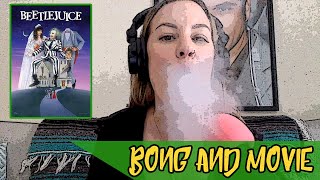
Bong & Movie #6 - Beetlejuice
Jessie May and Bong host a 'Bong and Movie' session watching Tim Burton's 1988 classic Beetlejuice, providing real-time commentary on the film's production history, casting choices, and visual effects.summaryProduction History: The film was originally titled 'Ghost House' or 'Our House' but was changed due to Warner Brothers' reluctance; Tim Burton jokingly suggested 'Scared Sheetless' which executives actually liked.takeawayBudget/Box Office: The film had a budget of $15 million and grossed $74.2 million.takeaway
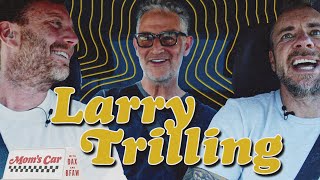
Mom's Car: Larry Trilling
TV vs. Film Dynamics: In television, the director must respect the established tone and vision of the showrunner, whereas in film, the director is the primary creative authority. Success in TV requires navigating this batakeawayCareer Longevity: Trilling’s parents advised him to get a solid liberal arts education (English major at Columbia) before pursuing film school (UCLA), providing a fallback and broader perspective that supported his artistakeaway
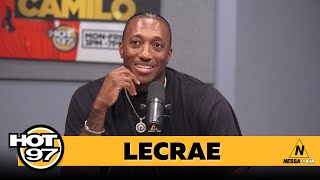
LeCrae Shares Embarrassing J. Cole Story & Gets Kicked Out By Snoop
He discusses his collaborative process with artists like Miles Mikks and E-40, emphasizing character and competency, and reflects on his transition into acting with a Tyler Perry film.summaryActing is a 'slow burn' compared to music; Cole Story contrasts the fast turnaround of music production with the long hours and uncertainty of film acting, noting he had to audition for his role in a Tyler Perry film.takeaway
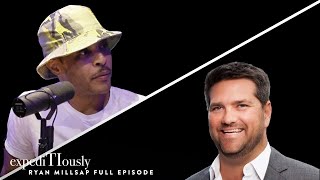
The Mind Behind Blackhall Studios: Ryan Millsap | expediTIously Podcast
Ryan Millsap, owner of Blackhall Studios, draws parallels between real estate and film development, emphasizing that vision and connections are the primary drivers of success in both industries.summaryHe discusses the strategic expansion of his studio in Atlanta, navigating government skepticism through community alignment, and the unique cultural advantages of the Atlanta film ecosystem compared to Los Angeles.summaryFilm development is fundamentally similar to real estate development: the hardest part is the vision, followed by executing through the right connections (financing, talent, construction).takeaway
Josh Brolin: Weapons, Thanos, Goonies, No Country, Nolan, Spielberg, Milk, Family, Masculinity
Josh Brolin discusses his role in the horror-comedy 'Weapons,' emphasizing the film's cathartic blend of terror and humor, and its symbolic commentary on gun violence and toxic masculinity.summaryHe reflects on his career evolution, from early roles like 'The Goonies' to working with visionary directors, highlighting the importance of vulnerability, breaking generational chains of emotional suppression, and respesummaryTrue artistic legacy is found in the collective work and story rather than individual stardom; Brolin values films that provoke debate and communal discussion (like 'No Country for Old Men' or 'Inception') over those thatakeaway
Sydney Sweeney, Ben Foster & Christy Martin new interview for CHRISTY. Q&A Los Angeles.
This conversation explores the making of the film 'Christy,' highlighting Sydney Sweeney's physical and emotional transformation into boxer Christy Martin, and Ben Foster's portrayal of her abusive husband.summaryThe discussion emphasizes the therapeutic purpose of the film, aiming to raise awareness for domestic violence, addiction, and LGBTQ+ acceptance by sharing Christy's underdog story.summaryNon-Linear Filming Impact: The cast filmed out of sequence, with Sydney Sweeney shooting the traumatic ending scenes first, requiring her to immediately pivot to earlier, happier moments in her performance.takeaway
Edgar Wright talks The Running Man, Shaun of the Dead, Filmmaking, Cinematography, Music & more!
Edgar Wright discusses his approach to balancing genre versatility with his distinct directorial voice, highlighting how his personal filmmaking style adapts across different projects like 'Shaun of the Dead' and 'The RusummaryHe details the technical and narrative intricacies of his opening credit sequences, the collaborative dynamic with cinematographer Chung-hoon Chung, and the deliberate use of digital versus film formats based on productisummaryFilm vs. Digital Decision Making: While a proponent of 35mm film, Wright chose digital (Alexa 35) for 'The Running Man' primarily for financial and logistical reasons due to the complexity and location work, though he intakeaway