Results for “1960s”
Transcript mentions 1,152
See all ›

Ezra Klein and Derek Thompson: Politics, Trump, AOC, Elon & DOGE | Lex Fridman Podcast #462
28:28the same way they did say in the 1930s, or 1960s. But finally, you have to look at what kind of character Donald Trump is,1:25:28to be run by republicans. And this is, I think because starting in the 1960s, 1970s,1:36:53was to make it harder to add to the supply of something. And in this case, especially since the 1960s,

Topics & chapters 213
See all ›
AI summaries 133
See all ›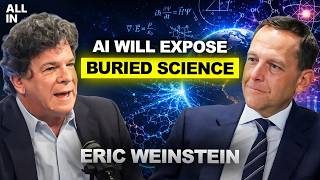
Eric Weinstein: The State of American Science, Breakthrough Coverups, and the Danger of Physics
Eric Weinstein argues that American science has stagnated since the mid-1960s due to the imposition of peer review, political conformity, and a 'scientific proletariat' that punishes heterodox thinking.summaryPeer review is described as a 'fake story' retconned into science in the 1960s to protect medical decision-making from government oversight, which then spread to all sciences, killing innovation.takeawayWeinstein suggests that UAPs may be nation-state experimental weapons systems resulting from breakthroughs in gravity shielding or propulsion discovered in the 1960s/70s.takeaway

The State of American Science, Breakthrough Coverups, and the Danger of Physics with Eric Weinstein
Eric Weinstein argues that American science has stagnated since the mid-1960s due to the imposition of bureaucratic controls, peer review, and HR-driven conformity, which have created a 'scientific proletariat' unable tosummaryPeer Review Origins: Peer review was not a traditional scientific practice but was introduced in the 1960s by doctors resisting government oversight of Medicare payments, later adopted by the NSF in 1975 during politicaltakeawayUAPs and Propulsion: UAPs may be nation-state experimental weapons systems resulting from breakthroughs in gravity shielding or anti-gravity research from the 1960s/70s. He believes 'pinch-to-zoom' or 'shear-to-tilt' multakeaway
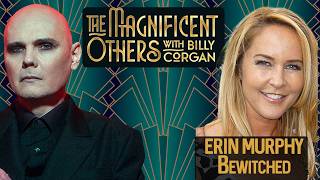
Erin Murphy (Bewitched) | The Magnificent Others with Billy Corgan
She discusses the practicalities of 1960s child labor laws, the behind-the-scenes dynamics of the show's cast, and her lifelong commitment to using her platform for advocacy, particularly regarding autism awareness.summaryChild labor laws in the 1960s were circumvented by using fraternal twins (Aaron and Diane) interchangeably; they would switch out of sight to reset the work clock, allowing for longer filming days than legally permitted takeawayDick Sargent was openly gay within the industry and on set during his time on Bewitched, though this was hidden from the public due to 1960s norms; he came out publicly in 1991 just before being outed by tabloids.takeaway
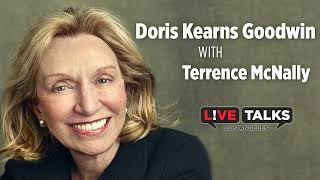
Doris Kearns Goodwin in conversation with Terrence McNally at Live Talks Los Angeles
Doris Kearns Goodwin discusses her book 'An Unfinished Love Story,' detailing her 45-year partnership with historian Dick Goodwin and their immersion in the political history of the 1960s.summaryShe analyzes the transformative domestic policy achievements of the LBJ administration, the pivotal role of public sentiment in social movements, and draws parallels between the turbulence of the 1960s and current politisummaryThe 1960s were characterized by a unique combination of post-WWII economic prosperity and a desire for security, which allowed young people to rebel against materialism and pursue idealism, a dynamic distinct from today'takeaway
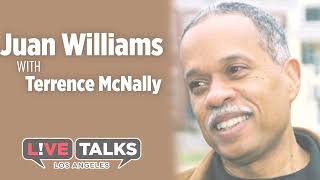
Juan Williams in conversation with Terrence McNally at Live Talks Los Angeles
Juan Williams argues that the current era represents a 'third Civil Rights Movement' characterized by decentralized, digitally-driven activism with broader public support than the 1960s movement, yet failing to translatesummaryThe modern movement has greater public support than the 1960s Civil Rights Movement: 2/3 of George Floyd marchers were white, compared to the 1963 March on Washington which was predominantly Black and feared by Congress.takeawayThe movement is decentralized and lacks identifiable leaders: Unlike the hierarchical structure of the 1960s movement led by figures like Dr. King, the current movement is diffuse, driven by social media algorithms and ltakeaway