About this episodeThe video covers escalating US-Iran military tensions, including attacks on oil tankers and a rejected ceasefi…AI summary
The video covers escalating US-Iran military tensions, including attacks on oil tankers and a rejected ceasefire offer, alongside US operations in the Caribbean targeting alleged drug smuggling vessels. It also details a controversial new USPS mail ballot system criticized by a whistleblower for potential failure points, and discusses the political backlash against data center expansions in US communities.
Key takeaways 5
US-Iran Conflict: Two Saudi oil tankers were attacked near Oman's territory, causing oil prices to spike. Iran offered to return to the June ceasefire and clear mines in the Strait of Hormuz, but the US rejected this, launching larger strikes on Iranian radar systems and claiming collateral damage included a wedding party.
Caribbean Operations: The US Southcom destroyed a vessel in the Caribbean, claiming it was a floating gas station for cocaine smugglers linked to an Ecuadorian gang. The Ecuadorian government supported the operation, but the crew filed complaints alleging they were fishermen whose $120,000 boat was destroyed without evidence.
Venezuela Political Shift: Former President Nicolas Maduro posted images from captivity, two days after his successor, Delcy Rodriguez, signed an oil deal with Trump granting the US control over Venezuelan oil fields. The host notes the suspicious timing and lack of internet access for Maduro.
USPS Election System Risks: A USPS whistleblower claims a new mail ballot system was rushed in 3 months (normally takes over a year). The system uses a '0% failure rule' where one mismatched barcode in a batch rejects the entire batch, potentially halting thousands of ballots due to minor errors or glitches.
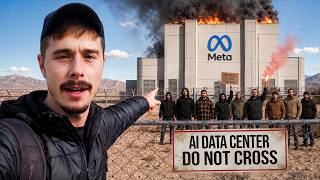
Data Center Backlash: Communities are protesting data center placements due to utility burdens and environmental concerns. Trump labeled opponents 'brokies,' while JD Vance clarified that companies should pay for grid upgrades and power plants. The US has ~4,000 data centers compared to China's ~400, despite China having a much larger population.
Notable quotes 4AI-generated: wording and quote attribution may be wrong. Use the play link to verify.
“Trump said the main targets were actually Iranian radar systems that Iran was just about done fixing. Trump literally said, 'We waited until their radar systems were almost completely built and then we hit it.'”
▶ 1:22Describing the strategic timing of US strikes on Iran following Iran's rejected ceasefire offer.
“USPS created a 0% failure rule. So if one of the scanned ballots do not match... USPS could reject the entire batch that could have tens of thousands of ballots with it.”
▶ 12:14Whistleblower's explanation of the technical flaw in the new USPS mail ballot verification system.
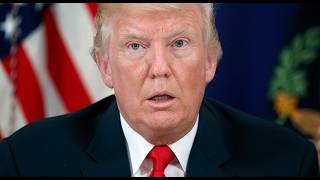
“If you don't want a data center in your community, you're a broky... If they want to be successful and rich then and with far lower taxes and jobs all over the place, let data rain.”
▶ 16:46Trump's social media post defending data center expansion and attacking local opposition.
“When people build them, they have to build the power plants along with the data centers... 99% of the backlash to data centers has come in areas where building a data center means higher utility and higher electricity for the people on the ground.”
▶ 20:18JD Vance's explanation of the trade-offs involved in data center development and community backlash.
Chapters & Sections (10)▼
0:05US-Iran Conflict and Caribbean Operationschapter2
3:47US Caribbean Boat Strike and Ecuadorian Gang
5:54Ecuador Drug Boat Raid and Maduro Captivity
8:48Venezuela Oil Deal and USPS Election Systemchapter6
 46m
46m 53m
53m 52m
52m 19m
19m 53m
53m 53m
53m 1h 55m⏭ 2
 11h 54m⏭ 8
 35m⏭ 1
 1h 10m
 54m⏭ 1
 1h 59m⏭ 3
 20m⏭ 1
 47m
47m 2h 13m⏭ 3
 1h 40m⏭ 2
 1h 40m⏭ 1
 34m⏭ 1
 11h 23m⏭ 1
 33m
33m 3h 54m⏭ 7
 1h 0m⏭ 1
 46m
46m 48m⏭ 2
 3h 59m⏭ 5
 1h 13m
 25m
25m 45m⏭ 2
 54m⏭ 1
 58m⏭ 5