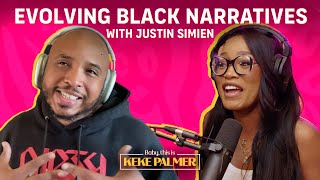
About this episodeThe conversation explores the complexities of Black representation in media, arguing that internal community c…AI summary
The conversation explores the complexities of Black representation in media, arguing that internal community criticism often undermines collective progress by policing cultural authenticity. The speakers advocate for constructive dialogue over destructive tearing down, emphasizing that supporting diverse Black narratives strengthens the industry for everyone. They also highlight the importance of owning Black-owned platforms and awards to ensure cultural ownership and longevity.
Key takeaways 5
The 'Black Enough' Trap: The community often penalizes artists who don't fit a monolithic definition of Blackness (e.g., calling them 'Uncle Tom' or 'Oreo'), which limits storytelling diversity and hurts the community's collective numbers.
Double Standards in Criticism: White artists (like Adam Sandler or Eminem) are not criticized for being 'not white enough' or for entering genres outside their heritage, whereas Black artists face intense scrutiny regarding cultural authenticity.
Constructive vs. Destructive Criticism: Healthy critique exists within the Black community (e.g., successful producers critiquing each other on shows), which sharpens skills ('steel sharpens steel') without destroying opportunities or careers.
Ownership of Platforms: There is a strategic need to support and own Black-centric awards and media outlets (like the Image Awards or BET) rather than just demanding recognition from mainstream white-dominated institutions (like the Oscars).
Storytelling as Evolution: Artists should prioritize artistic evolution and storytelling integrity over immediate commercial metrics, as long-term value comes from a cohesive body of work rather than single viral hits.
Notable quotes 5AI-generated: wording and quote attribution may be wrong. Use the play link to verify.
“We don't have the ability to be like I don't care... we got enough numbers like this so to try to tell people down and criticize people beyond repair because you disagree with you know their level of blackness... is limiting.”
▶ 3:11Guest explains why internal policing of Black identity is counterproductive to the community's growth and success in media.
“White people do not do that... nobody get on there say he's not white enough... so why would we critique our own to the point where we you know even will hope that opportunities would diminish that just doesn't make much sense.”
▶ 7:44Guest contrasts the lack of internal policing among white artists with the intense scrutiny Black artists face, highlighting a double standard.
“You want my show to work right even hate it yeah I'm saying you want my show to work because what it does is it shows that there is an audience for us and that you when you you want to go do your story your story which may be different from mine has a better chance of going because my work.”
▶ 6:43Guest argues for solidarity in media, where supporting one Black creator's success opens doors for others with different stories.
“I feel like that's what we need to start doing is owning our own [ __ ] and making our [ __ ] so amazed that's why I love when will shows up to the Image Awards and J shows up and you should when people show up and show out it lets everybody know that this is real.”
▶ 13:16Guest emphasizes the importance of high-profile attendance and support for Black-owned institutions like the Image Awards to validate their importance.
“How am i pushing my artform forward how am i evolving as an artist and a storyteller I think those are the things that matter more to me.”
▶ 17:04Guest discusses his approach to music, prioritizing artistic growth and narrative over pure commercial success or radio play.
Chapters & Sections (46)▼
0:00Importance of Representation in Storytellingchapter3
0:00Challenges of Acting in Front of a Camera
1:02Importance of Actors in Bringing Scripts to Life
1:30Limited Representation of Diverse Stories in Media
2:20Cultural Representation and Responsibility in Mediachapter4
2:20Personal Autonomy and Story Ownership
2:56Taking Ownership and Representation in a Minority Group
3:25Racial Double Standards in Entertainment Industry
4:11Addressing Criticisms of the Show
4:44Criticizing Black Identity and Cultural Authenticitychapter2
4:44The Complexity of Being Black in Society
5:28Importance of Unity in the Black Community
6:39Importance of Representation in Mediachapter3
6:39Importance of Representation in Media
7:10Growing Importance of Cultural Diversity
7:43Racial Double Standards in Hollywood
8:28Constructive Criticism in the Black Communitychapter2
8:28Internal Criticism in the Music Industry
9:12Balancing Criticism and Artistic Expression
10:11Importance of Self-Policing in the Industrychapter2
10:11Celebrity Criticism and Accountability in the Industry
11:13Importance of Self-Policing in Industry
12:14Importance of Representation in Awards Ceremonieschapter3
12:14Importance of Supporting Black Representation in Awards
13:00Importance of Ownership in Media Production
13:31Collaboration Opportunities and Future Projects
14:09Creative Process and Music Production Pressurechapter3
14:09Navigating Creative Freedom and Industry Challenges
14:56Music Production and Collaboration Process
15:40Pressure of Releasing a Music Album
16:13Artistic Integrity vs Commercial Successchapter4
16:13Importance of Artistic Quality in Music Industry
16:57Artist's Creative Evolution and Growth
17:34Authenticity in Music Creation and Career
18:03Storytelling in Music and Visual Composition
18:43The Reality of Fame and Celebrity Culturechapter3
18:43Reality TV and Social Commentary
19:39The Reality of Fame and Its Psychological Impact
20:35Overcoming Adversity and Finding Success
21:25The Art of Reinvention in Entertainment Industrychapter2
21:25The Evolution of Reality TV Storytelling Formats
22:24The Importance of Reinventing Oneself in Life
23:13Celebrity Entrepreneurs and Successful Business Investmentschapter3
23:13Celebrity Entrepreneurs and Successful Investments
 1h 12m⏭ 1
 1h 13m
 1h 22m
 1h 55m
 1h 24m
 1h 1m
1h 1m 1h 42m
 1h 41m
 26m
26m 1h 23m
 51m
51m 2h 32m
 26m
26m 36m
36m 34m
34m 2h 11m⏭ 1
 2h 22m
 2h 45m
 59m⏭ 1
 1h 39m
 1h 9m⏭ 2
 1h 48m⏭ 3
 2h 13m⏭ 1
 1h 22m⏭ 5
 2h 44m⏭ 1
 1h 43m⏭ 1
 2h 11m⏭ 4
 11h 23m⏭ 1
 1h 0m⏭ 1
 33m
33m 46m
46m 3h 54m⏭ 7
 3h 59m⏭ 5
 48m⏭ 2
 40m
40m 56m
56m 1h 13m
 38m
38m 54m⏭ 2