About this episodeMob James and Charleston White resolve a past violent confrontation by demonstrating genuine behavioral change…AI summary
Mob James and Charleston White resolve a past violent confrontation by demonstrating genuine behavioral change, with James proving his transformation by traveling armed but non-violently to meet White. The conversation highlights the difficulty of verifying redemption in high-risk individuals and emphasizes that true change requires consistent action over time, particularly in transitioning from a gang lifestyle to responsible grandfatherhood.
Key takeaways 5
Mob James used a specific behavioral test during their previous Dallas confrontation: standing up to see if White would react violently. White's calm response proved to James that White had genuinely changed, as James noted, 'If they don't do what he did, then I know I'm safe.'
White admits to testing people to prove they are still dangerous, stating he tries to 'trick a guy like him off the streets' to verify if they have changed. He acknowledges his own past hypocrisy in judging others while struggling with his own impulses.
The transition from gang life to family life requires killing off the old persona; White states, 'You got to let baby Cash die so Charleston Houston can come home,' emphasizing that one cannot be a destructive gangster and a protective grandfather simultaneously.
In the Kefi trial, White served as a hostile witness but was not treated like other informants (e.g., Dirt Rock) who had their financial records exposed. He notes the inconsistency that despite being an informant since 1998, no documentation of his payments or statements was presented, unlike other witnesses.
White identifies arrogance and lack of remorse as key factors leading to guilty verdicts in court, citing Kefi's attitude as 'criminal is the worst evidence to have in court is to be an arrogant criminal.'
Notable quotes 4AI-generated: wording and quote attribution may be wrong. Use the play link to verify.
“You got to let baby Cash die so Charleston Houston can come home.”
▶ 13:31White explaining the necessity of completely abandoning his gangster identity ('Baby Cash') to embrace his role as a grandfather and reformed man.
“Criminal is the worst evidence to have in court is to be an arrogant criminal.”
White's analysis of why Kefi likely received a harsh sentence, contrasting his attitude with those showing empathy or accountability.
“I tried that with him and when I turned around, we were nosing... If they don't do what he did, then I know I'm safe.”
▶ 1:51James describing how he tested White's aggression during their past meeting and how White's non-violent response validated his claim of change.
“That's where a [__] trying to get to man. Granddaddy and them right paw paw. That's the way out for everything, man.”
▶ 12:36White identifying grandfatherhood ('pawpaw') as the ultimate positive goal and exit strategy from destructive lifestyles.
Chapters & Sections (14)▼
0:04Resolving Past Conflict and Proving Changechapter2
2:28Strategic Seating to Assert Control
4:01Emotional Phone Call and Skepticism
6:08Personal Redemption and Confronting Past Gang Lifechapter2
7:52Overcoming Resentment and Cultural Betrayal
9:44Journey to Redemption and Apology
12:16Transitioning from Gang Life to Grandfatherhoodchapter2
14:43Wisdom and Reconciliation Lessons
15:51Security and Personal Boundaries
17:36Kefi Trial Analysis and Witness Testimonychapter4
19:20Vegas Police Bias and Witness Credibility
20:51Arrogance and Witness Documentation Analysis
24:44Charleston White's Viral Strategy and Comedy Shift
 2h 6m
2h 6m 3h 41m
 2h 31m
 1h 29m⏭ 1
 2h 8m
2h 8m 1h 22m
 2h 36m
 2h 18m
 2h 2m
2h 2m 2h 57m
 2h 7m
2h 7m 3h 6m⏭ 1
 1h 41m
 1h 51m⏭ 2
 32m⏭ 1
 44m
44m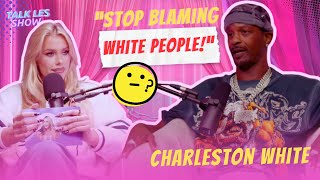 1h 53m⏭ 1
 1h 52m
 27m⏭ 2
 4h 7m⏭ 3
 3h 11m⏭ 1
 8h 22m
 1h 16m
 28m⏭ 1
 57m⏭ 1
 2h 48m⏭ 3
 2h 6m⏭ 2
 2h 10m⏭ 1
 2h 18m⏭ 2
 1h 35m
 1h 19m⏭ 4
 1h 0m⏭ 1
 33m
33m 3h 59m⏭ 5
 3h 54m⏭ 7
 46m
46m 54m⏭ 1
 1h 13m
 54m⏭ 2
 9h 11m
 1h 26m
 58m⏭ 5
 6h 26m