About this episodeDr. Amy Meyers outlines a comprehensive approach to mold toxicity, emphasizing the critical distinction betwee…AI summary
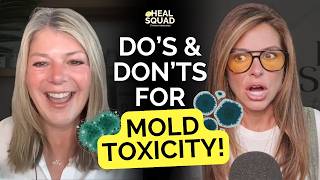
Dr. Amy Meyers outlines a comprehensive approach to mold toxicity, emphasizing the critical distinction between testing methods (VOC dust tests vs. spore traps) and the necessity of removing oneself from the toxic environment before attempting detoxification. She highlights the significant role of trauma and nervous system dysregulation in chronic illness, advocating for a holistic protocol that includes HEPA filtration, humidity control, specific supplements like glutathione and binders, and emotional healing.
Key takeaways 5
Testing Limitations: Standard mold spore trap tests often yield false negatives if there is no active leaking or recent rain; VOC dust tests (like HEPA dust tests) are more effective at identifying hidden mold toxins in water-damaged buildings.
Symptom Differentiation: Lyme disease symptoms are typically cyclical (good days and bad days), whereas mold toxicity symptoms are constant because the exposure source remains unchanged in the environment.
The Trauma Connection: Living in fear of mold exposure keeps the nervous system in a heightened sympathetic state, which can drive disease and hinder healing; resolving the trauma is as important as physical detox.
False Negatives in Testing: Individuals with compromised detox pathways may test negative for mold toxins in their body because their system cannot excrete them, leading to a false sense of security.
Indoor Air Quality: Indoor air can be 5 to 100 times more toxic than outdoor air due to enclosed spaces and the accumulation of VOCs from cheap furniture and building materials.
Notable quotes 4AI-generated: wording and quote attribution may be wrong. Use the play link to verify.
“The indoor air quality of your home can be five to 100 times more toxic than outside because of this.”
▶ 0:14Dr. Meyers explains the danger of enclosed spaces filled with toxic off-gassing materials.
“Lyme typically is cyclical... If you are in the same environment and you are being exposed to mold, it is not going to be cyclical. You are going to be having constant symptoms.”
A practical method for differentiating between Lyme disease and mold toxicity based on symptom patterns.
“Living in this fear is something that I think we also don't talk about as women... living in a heightened state of sympathetic is going to drive you know potentially disease.”
▶ 4:18Highlighting the psychological toll of mold toxicity and its physiological impact on the nervous system.
“You want to get the stuff out. So you prevent it from coming in and then you want to get it out. How do you get toxins out? You pee them out, you poop them out, and you sweat them out.”
▶ 35:47Summarizing the three primary elimination pathways for toxins.
Chapters & Sections (18)▼
0:00Mold Toxicity Testing and Nervous System Healingchapter2
1:53Healing Trauma and Nervous System Reset
4:18Mold Testing Methods and HLA DR Gene
7:27Mold Testing Methods and Symptom Differentiationchapter2
9:33False Negatives in Mold Testing
11:29Distinguishing Mold Toxicity Symptoms
13:05Mold Exposure Testing and Detox Protocolchapter2
15:45Traveling Safely with Mold Sensitivity
17:28Removing Mold Exposure and Detox Protocol
19:18Mold Toxicity Recovery Timeline and Traumachapter2
21:25Mold Exposure Duration and Recovery Factors
23:20Safe Housing and Liver Health
24:54Moldy Furniture and Home Humidity Controlchapter1
27:41Home Humidity Control and Dehumidifier Safety
29:56Identifying Toxins and Practical Detox Strategieschapter3
 37m⏭ 1
 51m
51m 1h 17m⏭ 2
 32m
32m 55m⏭ 2
 33m⏭ 1
 42m
42m 1h 34m⏭ 6
 1h 26m⏭ 3
 2h 41m⏭ 2
 19m
19m 1h 18m⏭ 4
 1h 54m⏭ 2
 2h 1m⏭ 4
 2h 36m⏭ 5
 1h 47m⏭ 1
 2h 13m⏭ 3
 5h 25m⏭ 3
 48m
48m 1h 0m⏭ 1
 11h 23m⏭ 1
 33m
33m 46m
46m 3h 54m⏭ 7
 3h 59m⏭ 5
 54m⏭ 1
 1h 13m
 58m⏭ 5
 25m
25m 45m⏭ 2
 1h 16m⏭ 2