About this episodeCriminal defense attorney Bruce Rivers analyzes the Lindsay Clancy trial, predicting a 'not guilty by reason o…AI summary
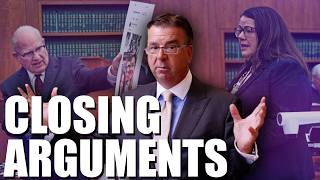
Criminal defense attorney Bruce Rivers analyzes the Lindsay Clancy trial, predicting a 'not guilty by reason of mental illness' verdict based on expert testimony regarding postpartum psychosis and altruistic filicide. The discussion highlights prosecutorial misconduct during cross-examinations and systemic failures in mental health care, while contrasting the legal defense's focus on mental state with public protests and conspiracy theories.
Key takeaways 6
Legal Outcome Prediction: Rivers predicts a 'not guilty by reason of mental illness' verdict, noting that both defense and prosecution experts agree Clancy suffered severe mental illness and heard commanding voices, with the key legal distinction being whether she knew right from wrong at the time.
Expert Testimony Consensus: Dr. Philip Resnik (defense) and Dr. Abram Mack (prosecution) both confirmed Clancy experienced severe mental illness and auditory hallucinations ('voice commanding her to kill'), undermining the prosecution's argument that she was fully in control.
Prosecutorial Misconduct: Rivers criticizes prosecutor Jennifer Sprague for using inflammatory, argumentative questions (e.g., 'So it's better to kill them than to have them taken away?') and irrelevant religious inquiries (asking about Catholicism/mortal sin), which damaged her credibility with the jury.
Altruistic Filicide Definition: The defense expert categorized the killings as 'altruistic filicide,' driven by a delusional belief that the children would be better off dead and in heaven than suffering under social services, rather than malice or abuse.
Systemic Failure: The trial highlights gaps in the mental health system, where overworked social workers and ineffective medication trials ('chemistry set' approach) failed to prevent the tragedy despite prior warnings from family members.
Procedural Disadvantage: Rivers expresses dislike for the rebuttal phase where the prosecution gets the final word after the defense rests, allowing them to potentially sway jurors with counter-narratives after the defense has presented their case.
Notable quotes 5AI-generated: wording and quote attribution may be wrong. Use the play link to verify.
“It's so out there, you know. Why would you kill your children? Certainly not because of something they did. And then she's not saying they did something and that's why she killed them. She killed them because she was under so much stress and couldn't care for them.”
▶ 0:23Rivers explaining the delusional mindset of postpartum psychosis where the perpetrator believes they are acting out of twisted love or protection.
“If you think for one minute, you know, what they said might be true, that's reasonable doubt. If you hesitate, that's reasonable doubt. If you think, you know, there might be something to, that's reasonable doubt. If you have reasonable doubt, she's not guilty by reason of mental illness.”
▶ 11:43Rivers defining the legal standard for reasonable doubt in the context of conflicting expert testimonies.
“It's an experiment. It's like, okay, we'll try this and see how this works. And that could have the exact opposite effect... And I think that they did that with her because she tried desperately to get help and it wasn't there.”
▶ 29:09Rivers discussing the failure of the medical system to properly diagnose and treat Clancy's condition through trial-and-error medication.
“That's a [ __ ] bad question... Asking the jury to consider consequences of conduct other than just guilt or innocence is highly prejudicial... You can't ask the juror or even ask anybody questions about consequences.”
▶ 31:32Rivers criticizing the prosecutor for asking irrelevant questions about Catholicism and mortal sin to prejudice the jury.
“She believed that what she was doing was right for her children. Now, it just sounds so repugnant... But that's the point. It's so out there... She wanted to kill herself and she thought that her children were going to be harmed and that they would go to heaven if she killed them.”
▶ 0:15Describing the specific delusion held by Clancy regarding social services and heaven.


 6h 22m
 3h 27m
 11h 54m⏭ 8
 11h 54m
 51m⏭ 1
 3h 13m
 59m
59m 1h 28m⏭ 2
 1h 14m
 1h 42m
 1h 23m⏭ 3
 2h 45m
 1h 0m⏭ 1
 33m
33m 46m
46m 3h 54m⏭ 7
 3h 59m⏭ 5
 54m⏭ 1
 1h 13m
 54m⏭ 2
 58m⏭ 5
 1h 26m
 25m
25m 1h 16m⏭ 2