About this episodeDr. Janice Billhower warns that the government's staged disclosure of UAP information lacks psychological cont…AI summary
Dr. Janice Billhower warns that the government's staged disclosure of UAP information lacks psychological context, creating a risk of public destabilization and exploitation by scammers. She highlights a systemic crisis where academic and professional stigma prevents data collection and leaves mental health infrastructure unprepared for the potential mass psychological impact of a 'we are not alone' announcement.
Key takeaways 6
The government is releasing UAP information in 'tranches' without context, which Dr. Billhower argues is dangerous because people react to their interpretation of information, not the raw data itself.
Academic stigma is severe: A 2024 survey found 28% of faculty would vote against a colleague's tenure for studying UAP, and fewer than 1% of researchers in human/social sciences have conducted UAP research.
Pilots face a 'catch-22': Reporting UAPs can lead to loss of medical certification (labeled as delusional/hallucinating), while denying reports when others saw them constitutes lying on official documents (felony).
Public apathy is driven by daily survival priorities; most people are too focused on bills and cost of living to engage with UAP news, creating a false sense of security.
Pluralistic ignorance exists: Many individuals believe UAPs are real but assume others do not, preventing collective action or open discussion.
The mental health system is currently unprepared; there is a 'clinical response gap' where most professionals lack training to handle the specific psychological impacts of UAP disclosure.
Notable quotes 5AI-generated: wording and quote attribution may be wrong. Use the play link to verify.
“"We'll be fine," is just not a plan.”
▶ 3:13Dr. Billhower's critique of the general public's lack of preparation for the psychological impact of disclosure.
“People don't react to what happens in life. They react to what they say to themselves about what happens in their life.”
▶ 5:29A core psychological principle explaining why context and framing are critical during disclosure.
“If your retirement dropped 30% tomorrow, would you be ready? ... Gold is not for everybody... but I do urge you to learn about a special offer to receive up to $20,000 in free gold and silver.”
▶ 8:17Sponsorship ad for Drilling Gold, included in the transcript structure.
“We have created an absolutely lose-lose scenario for people... If you say yes, I saw something, you can get grounded. If you deny it... you may have committed a felony.”
Dr. Billhower explaining the systemic barriers preventing pilots from reporting UAPs.
“Resilient isn't the same as ready.”
▶ 41:14The closing thought emphasizing the difference between natural coping mechanisms and active preparedness.
Chapters & Sections (15)▼
0:07Psychological Impact of UAP Disclosurechapter1
2:33Government Disclosure Context and Public Perception
6:53UAP Reporting Stigma and Academic Fearchapter1
10:02Stigma and Reporting Barriers for Witnesses
14:16Systemic Barriers to Disclosure and Public Apathychapter1
17:52Psychological Processing of Disclosure
20:00Psychological Impact of Disclosure and Stigmachapter2
22:07UAP Research Stigma and Academic Fear
23:53Overcoming Stigma Through Funding and Pluralistic Ignorance
26:18Psychological Preparedness for Disclosurechapter5
28:19Societal Impact of Disclosure
30:01Mental Health Response Gap and Policy Needs
33:09Lack of APA UAP Initiatives
35:22Public Appetite and Government Deception
39:00Effective Communication and Institutional Trust
 18m
18m 31m⏭ 1
 25m⏭ 1
 51m⏭ 2
 20m⏭ 1
 22m⏭ 1
 18m⏭ 1
 52m⏭ 2
 23m
23m 41m⏭ 2
 31m
31m 37m
37m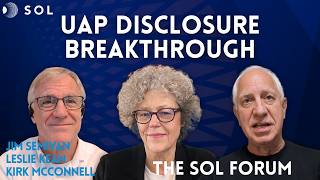 2h 14m
 22m
22m 2h 49m⏭ 2
 3h 13m
 2h 43m⏭ 1
 58m⏭ 1
 1h 28m
 1h 35m⏭ 4
 2h 31m⏭ 3
 2h 10m
 1h 51m⏭ 1
 1h 54m⏭ 2
 1h 0m⏭ 1
 33m
33m 46m
46m 3h 54m⏭ 7
 3h 59m⏭ 5
 1h 13m
 54m⏭ 1
 58m⏭ 5
 54m⏭ 2
 25m
25m 45m⏭ 2
 1h 16m⏭ 2