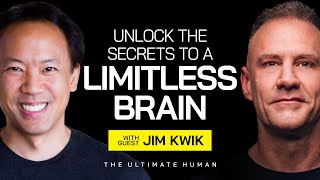
About this episodeJim Quick shares how overcoming childhood learning disabilities and a traumatic brain injury transformed him i…AI summary
Jim Quick shares how overcoming childhood learning disabilities and a traumatic brain injury transformed him into an educator focused on brain optimization. He introduces the 'Four Horsemen of the Mental Apocalypse' (Digital Deluge, Distraction, Dementia, Deduction) to explain modern cognitive challenges and proposes the 'Limitless Model' (Mindset, Motivation, Method) as a framework for personal progress. The conversation emphasizes that while life is not fair, individuals have free will to choose their responses and can upgrade their potential through incremental progress and self-compassion.
Key takeaways 6
The Education System Gap: Schools teach 'what to learn' (math, history) but fail to teach 'how to learn' (focus, memory, concentration), leaving students unprepared for information overload.
The Four Horsemen of the Mental Apocalypse: Modern society faces four technology-driven cognitive threats: Digital Deluge (information anxiety), Digital Distraction (inability to focus), Digital Dementia (loss of memory due to device reliance), and Digital Deduction (decline in analytical thinking due to echo chambers).
The Limitless Model: Stagnation in any area of life is caused by one of three factors: Mindset (limiting beliefs about possibility/deservingness), Motivation (lack of drive), or Method (using outdated techniques). Liberating oneself requires addressing these three forces.
Post-Traumatic Growth: Adversity can be an advantage; Jim Quick turned his 'broken brain' label and public speaking phobia into a career helping others learn. Pain can become purpose when channeled into helping others.
The 3Ms Framework: To solve any problem or achieve a goal, analyze if the barrier is a mindset issue (belief), motivation issue (drive), or method issue (technique).
Dominant Questions Shape Reality: The Reticular Activating System filters reality based on the questions we ask. Asking 'How do I make this better?' or 'How do I make this more magical?' directs focus toward solutions rather than problems.
Notable quotes 5AI-generated: wording and quote attribution may be wrong. Use the play link to verify.
“My inspiration really was my desperation. Adversity can be an advantage.”
▶ 7:30Jim Quick explains how his childhood learning challenges and being called the 'boy with the broken brain' drove him to master learning techniques.
“It's not how smart you are, it's how are you smart.”
▶ 47:06Jim Quick argues that learning styles vary, and success comes from identifying and utilizing one's unique cognitive strengths rather than forcing a standard learning method.
“People will forget what you said, people will forget what you did, but people will never forget how you made them feel.”
Quoting Maya Angelou to emphasize that emotional connection and memory retention are tied to feelings, not just facts.
“Life is the C between B and D. B stands for birth, D stands for death. C stands for choice.”
▶ 33:14Jim Quick uses a French philosopher's quote to highlight that while we cannot control birth or death, we have free will in the choices we make during life.
“Ignorance is a choice. Anything you want in life you can learn.”
▶ 1:14:52Jim Quick asserts that in the modern age with abundant information access, lack of knowledge or skill is a result of not seeking it out.
Chapters & Sections (61)▼
0:00Upcoming Tour Dates and New Year's Eve Planschapter4
0:00Upcoming Tour Dates and New Year's Eve Plans
2:16Improving Learning Techniques and Brain Health
3:29Introduction to the Sharp Tongue Podcast
5:34Unlocking Human Brain Potential and Abilities
7:08Overcoming Learning Disabilities and Public Speaking Fearschapter5
7:08Overcoming Adversity and Turning Challenges into Gifts
8:36Failing Education System and Learning Disabilities
10:18Importance of Human Connection and Support
12:30Importance of Learning How to Learn
14:10Managing Information Overload and Retention Challenges
15:58The Impact of Information Overload on Societychapter2
15:58Impact of Over-Processing Information on Mental Health
17:30Information Overload and Digital Distractions
20:16The Dangers of Digital Dementia and Distractionchapter3
20:16The Dangers of Digital Dementia and Distraction
22:02Impact of Technology on Critical Thinking Skills
23:13Unlocking Human Brain Potential and Efficiency
25:03Physical and Mental Fitness Comparisonchapter3
25:03Physical and Mental Fitness Comparison
26:52Turning Trauma into Purpose and Advocacy
28:03Overcoming Societal Limitations and Ancestral Lies
29:25The Impact of Environment on Personal Beliefschapter3
29:25The Influence of Environment on Personal Beliefs
31:29Limitations of Unrealistic Expectations and Beliefs
32:49Embracing Personal Control and Free Will
35:16Making Incremental Progress in Lifechapter2
35:16Making Incremental Progress in Life
36:52Breaking Free from Limiting Mindset and Beliefs
39:49Unlocking Human Potential and Brain Capabilitieschapter3
39:49Unlocking Human Potential and Self-Awareness
41:18Overcoming Self-Doubt and Negative Self-Talk
42:57Overcoming Adversity through Childhood Experiences
44:50Unlocking Human Potential and Inner Strengthschapter3
44:50Unlocking Human Potential and Inner Strengths
47:25Upgrading Mindset to Achieve Dreams and Goals
48:36Post-Traumatic Growth and Resilience Strategies
50:01Overcoming Loneliness and Depression through Self-Lovechapter3
50:01Overcoming Loneliness and Depression through Self-Love
51:34The Hero's Journey and Personal Growth
53:00Childhood Experiences Shaping Humor and Confidence
54:36Importance of Taking Action on Life Choiceschapter2
54:36Importance of Taking Action on Life Choices
57:01The Power of Emotions in Memory Formation
58:46Childhood Memories and Human Emotional Connectionchapter3
58:46Childhood Memories and Emotional Connection to Art
1:00:45The Psychology of Human Potential and Failure
1:02:02The Role of Mindset in Motivation
1:04:03Origins of Mindset and Dominant Questionschapter4
1:04:03Origins of Mindset and Personal Trajectory
1:05:34The Power of Mindful Questioning and Awareness
1:06:46Childhood Insecurities and Dominant Life Questions
1:08:09Asking Effective Questions for Personal Growth
1:10:12Celebrity Encounters and Personal Growth Experienceschapter2
1:10:12Celebrity Encounters and Unexpected Interactions
1:12:25Overcoming Negative Self-Talk and Trauma
1:14:58Importance of Positive Mental Habits and Self-Carechapter4
1:14:58Cultivating a Positive Mindset through Consistent Habits
1:16:39Importance of Scheduling Personal Growth Time
1:17:57Embracing Authenticity and Shining Your True Self
1:20:51Embracing Intelligence and Authenticity as a Strength
 1h 3m
1h 3m 1h 3m
1h 3m 58m
58m 1h 3m⏭ 1
 1h 5m
1h 5m 1h 21m⏭ 3
 1h 2m
1h 2m 46m⏭ 1
 48m
48m 1h 22m
 53m
53m 50m
50m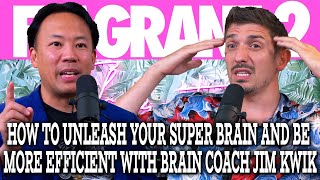 1h 39m⏭ 1
 1h 27m⏭ 3
 1h 8m
1h 8m 1h 39m⏭ 2
 56m
56m 1h 13m
 1h 19m⏭ 5
 1h 13m
 2h 53m⏭ 5
 2h 38m⏭ 1
 1h 55m⏭ 2
 3h 3m⏭ 2
 2h 46m
 4h 24m
 1h 38m⏭ 5
 1h 24m⏭ 1
 11h 23m⏭ 1
 33m
33m 1h 0m⏭ 1
 46m
46m 3h 54m⏭ 7
 48m⏭ 2
 3h 59m⏭ 5
 1h 13m
 38m
38m 54m⏭ 2
 54m⏭ 1
 58m⏭ 5