About this episodeComedian Joe List discusses the intersection of anxiety, sobriety, and professional discipline in comedy, reve…AI summary
Comedian Joe List discusses the intersection of anxiety, sobriety, and professional discipline in comedy, revealing how managing mental health improved his stage presence. He shares insights on the financial realities of indie filmmaking, the challenges of scheduling family life with another comedian, and the creative process of turning mundane observations into stand-up bits.
Key takeaways 5
Professionalism in comedy stems from deep-seated anxiety and people-pleasing; List feels he must be punctual and perfect to avoid being replaced, projecting his own insecurities onto others.
Mental health treatment directly enhances comedic performance; List notes he is funnier when happy and relaxed, contrasting with the 'tortured artist' myth.
Indie filmmaking is financially unsustainable ('flushing money down the toilet') but can serve as a powerful catalyst for personal change, as seen when List's documentary about his friend Tom Dustin helped spur Dustin's sobriety.
Success reduces the volume of 'wild' stories available for comedy; List notes that his life has become too stable and professional to generate the chaotic anecdotes that fueled his earlier material.
Comedy writing often involves identifying the 'funny' aspect of one's own neuroses, which others find humorous even when the comedian views them as serious or horrifying.
Notable quotes 5AI-generated: wording and quote attribution may be wrong. Use the play link to verify.
“I always felt like in com I had to be completely professional or else they'll just find somebody else. I'm like I can't go over my time. I can't be late. I can't be whatever cuz otherwise they'll just get somebody better.”
▶ 1:20Explaining the root of his compulsive punctuality and anxiety regarding professional reliability.
“I'm only I'm funnier when I'm happy or relaxed or enjoying myself. So I had to kind of get through a lot of um you know, mental health stuff to be better on stage.”
▶ 20:04Reflecting on how treating his anxiety and panic disorder improved his comedic output.
“Indie film is just flushing money down the toilet. Especially now it's like worse than ever now.”
▶ 14:04Giving blunt advice to aspiring indie filmmakers about the financial risks involved.
“With success comes less stories or good comedy stories... Unless you're Richard Prior and you're light yourself on fire... if you have a drug prop, you're still getting good stories.”
▶ 16:16Discussing how his stable, successful life has reduced the chaotic material available for his stand-up routines.
“It's for the people that want it, not the people that need it always.”
▶ 13:26Describing the limitation of helping friends with addiction; change must come from within the individual.
Chapters & Sections (27)▼
0:00Comedy Anxiety and Professionalismchapter2
1:31Parental Pressure and Comedy Professionalism
3:01Comedic Talent vs. Self-Promotion
4:58Comedy Life, Family Scheduling, and Documentary Filmmakingchapter1
8:28Documentary Filmmaking and Underrated Comedians
10:47Alcoholism, Sobriety, and Indie Film Costschapter2
12:50Intervention and Indie Film Loss
14:08Comedy Panic Attacks and Indie Film
15:39Comedy Stories, Success, and Mental Healthchapter2
17:08Aging, Storytelling, and Comedy Material
18:27Recognizing Personal Comedy Bits
20:28Coping with Panic Attacks and Anxietychapter2
22:00Describing Panic Attack Symptoms
23:50Overcoming Panic on Stage
26:14Jealousy, Lying, and Comedy Advicechapter1
28:42Avoiding Lies and Professional Advice
30:48Comedian Anecdotes and Candy History Bitschapter1
33:34Chocolate Bits and Soda History
35:58Comedic Observations on Potatoes and Medical Testschapter2
37:17Medical Test Anxiety and Incentives
38:48Motivating Performance and Writing Habits
40:18Comedy Bits on Memory, Parenting, and Marriagechapter1
43:17Family Reactions and Trash Smell
44:43Comedy Writing and Breath Smell Observationschapter3
 1h 6m
1h 6m 47m
47m 1h 6m
1h 6m 47m
47m 40m
40m 43m
43m 1h 21m⏭ 2
 47m
47m 2h 14m⏭ 6
 1h 4m
1h 4m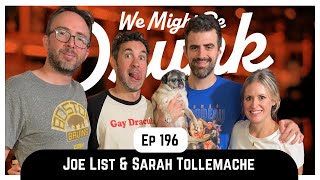 1h 26m⏭ 1
 2h 28m⏭ 5
 2h 7m⏭ 4
 1h 32m⏭ 3
 1h 37m⏭ 1
 2h 6m⏭ 3
 1h 3m⏭ 4
 1h 6m⏭ 2
 1h 28m
 1h 43m
 1h 1m⏭ 1
 1h 19m⏭ 4
 2h 39m⏭ 3
 1h 8m
1h 8m 2h 30m⏭ 1
 1h 1m⏭ 3
 6h 27m⏭ 3
 28m
28m 4h 52m
 8h 22m
 11h 23m⏭ 1
 1h 0m⏭ 1
 33m
33m 46m
46m 3h 54m⏭ 7
 3h 59m⏭ 5
 48m⏭ 2
 40m
40m 56m
56m 1h 13m
 38m
38m 54m⏭ 2