About this episodeThe Lindsay Clancy trial centers on whether the defendant was criminally responsible due to postpartum psychos…AI summary
The Lindsay Clancy trial centers on whether the defendant was criminally responsible due to postpartum psychosis or acted with premeditation. Legal expert Sarah Carden predicts a verdict of not guilty by reason of mental disease or defect, leading to psychiatric confinement rather than prison, as the prosecution faces the burden of proving she understood the wrongfulness of her actions. The discussion highlights the disconnect between public sympathy for systemic failures in women's healthcare and the legal requirement to prove specific mental states at the time of the crime.
Key takeaways 6
Jury Instructions are Outcome Determinative: The specific wording of jury charges and definitions (like the 'Mool' standard in Massachusetts) shapes how jurors interpret evidence; lawyers should align opening/closing statements with these final instructions.
Burden of Proof for Insanity Defense: In Massachusetts, the burden is on the state to prove the defendant was NOT lacking substantial capacity to appreciate wrongfulness or conform conduct to law, making it an uphill battle for prosecutors if psychosis is credibly established.
Expert Witness Bias Perception: Jurors often view opposing expert witnesses as 'hired guns' who testify only for the side that hired them, reducing the weight of expert testimony compared to lay witness credibility.
Premeditation vs. Time: Premeditation in law does not require a long planning period (days/weeks); it can be established through brief moments of planning or by showing the manner of killing was cruel and disproportionate (overkill).
Psychosis and Deception: Individuals in psychotic episodes can be sophisticated enough to 'connect dots' and tell providers what they want to hear to get discharged, meaning a lack of immediate hospitalization does not rule out psychosis.
Jury Composition Impact: Unlike 25 years ago (Andrea Yates case), modern juries may include more mothers who empathize with postpartum struggles, potentially influencing their interpretation of the insanity defense.
Notable quotes 5AI-generated: wording and quote attribution may be wrong. Use the play link to verify.
“The defendant is not criminally responsible if at the time of the conduct as a result of mental disease or defect, she lacked substantial capacity to either appreciate the wrongfulness of her conduct or she lacked the capacity to conform her conduct to the requirements of the law.”
▶ 9:19Sarah Carden explaining the legal standard for lack of criminal responsibility (insanity defense) under Massachusetts law.
“Premeditation isn't about time. It's about planning. And that can be five minutes. It can be it can be just momentarily that you plan something.”
▶ 34:38Clarifying that premeditation does not require long-term planning, which is a key prosecution argument in this case.
“If they find an expert and they interview him and they don't see it the right way, they just don't put them on. So, they put that if one of them is really good and tells a compelling story... they don't usually turn their decision based on the experts.”
▶ 17:49Explaining why jurors often distrust expert witnesses, viewing them as hired guns rather than objective truth-tellers.
“She believed she was saving these children from some horrible fate if she didn't help them escape this world.”
▶ 12:12Describing the delusional state Lindsay Clancy claimed to be in, which is central to the defense's argument.
“This is not a turn and burn seven minute appointment. We need to find out what's going on here. Get these children protected.”
▶ 45:06Sarah Carden criticizing the medical system's handling of postpartum mental health crises, suggesting that high-risk reports should trigger immediate intervention.
Chapters & Sections (22)▼
0:05Lindsay Clancy Trial: Psychosis vs Premeditationchapter2
3:08Prosecution Strategy and Trial Status
4:53Jury Instructions and Expert Testimony
8:38Insanity Defense and Jury Instructionschapter2
10:50Insanity Defense Outcomes and Mental Hospital
13:07Jury Instructions on NGRI Confinement
15:35Expert Witness Bias and Jury Perceptionchapter1
17:49Expert Witness Bias and Maternal Testimony
20:33Jury Impact of Mother's Testimony and Public Opinionchapter3
24:23Social Media Theories on Lindsay Clancy Case
26:12Internet Detective Culture and Investigation Critique
27:50Public Opinion and Mental Illness Defense
30:34Postpartum Psychosis and Legal Premeditationchapter2
32:12Masking Psychosis to Escape Hospitalization
34:25Premeditation and First-Degree Murder Theories
36:38Jury Selection and Prosecution Strategychapter1
38:53Prosecution Evidence on Premeditation and Cruelty
42:47Social Media Performative Grief and Systemic Failurechapter1
45:23Lindsay Clancy Trial Compassion and Insanity Defense
49:22Jury Instructions, Manslaughter, and Insanity Defense Strategychapter2
 18m
18m 31m⏭ 1
 25m⏭ 1
 51m⏭ 2
 20m⏭ 1
 22m⏭ 1
 18m⏭ 1
 52m⏭ 2
 23m
23m 41m⏭ 2
 31m
31m 37m
37m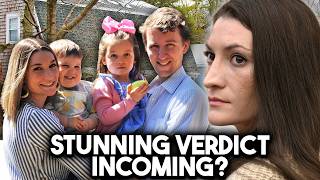 1h 8m⏭ 1
 1h 24m⏭ 1
 1h 12m
 42m
42m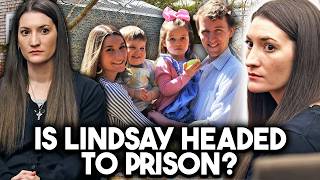 1h 9m⏭ 2
 6h 22m
 6h 22m
 51m⏭ 1
 3h 27m
 54m⏭ 3
 22m
22m 1h 49m
 11h 23m⏭ 1
 33m
33m 1h 0m⏭ 1
 46m
46m 48m⏭ 2
 3h 54m⏭ 7
 3h 59m⏭ 5
 1h 13m
 38m
38m 1h 16m
 54m⏭ 2
 10h 34m