About this episodeRas Kass discusses the evolution of his career, the cultural shift in hip-hop youth culture away from traditio…AI summary
Ras Kass discusses the evolution of his career, the cultural shift in hip-hop youth culture away from traditional rap, and the creative process behind his conceptual albums. He shares personal anecdotes about his early naivety in the industry, his philosophical approach to artistry versus commercial success, and the behind-the-scenes story of how he assembled the long-awaited Horsemen album.
Key takeaways 5
Cultural Shift in Youth Culture: Talib Kweli notes that younger audiences are moving away from hip-hop towards Afro-beats, Reggaeton, and old-school soul/funk, viewing hip-hop as 'adult contemporary' rather than the primary driver of black youth culture it once was.
Artistic Philosophy: Ras Kass prioritizes honesty and philosophical expression over commercial tactfulness, citing his mother's advice to include the uncomfortable 'Nature of the Threat' record on his debut because it was factually important, despite industry pressure to be more palatable.
The Horsemen Album Origin: The Horsemen album was assembled by Ras Kass during the pandemic lockdown in Portugal. He 'Frankensteined' unfinished tracks from the group's past, added new production and verses (notably for Cannibal), and presented the finished project to the members as a done deal, leveraging his relationships to bypass logistical hurdles.
DJing Strategy: Ras Kass describes his DJing style as a 'celebrity selector' rather than a turntablist, focusing on setting a vibe with high BPMs (130) and diverse genres to encourage dancing and socializing, rather than just playing hip-hop tracks.
Industry Integrity: Ras Kass reflects on his decision to take his masters and go on the run from his label, framing it as a necessary move to maintain integrity and avoid being a 'piece of shit taker,' prioritizing long-term respect over short-term financial gain.
Notable quotes 5AI-generated: wording and quote attribution may be wrong. Use the play link to verify.
“I don't want to be the next Kendrick Lamar. I want to be the first Ras Kass. And everybody should want to be the first them at whatever they do.”
▶ 52:16Ras Kass explaining his commitment to individuality and authenticity over chasing commercial trends or imitating others.
“Facts are facts. Facts don't care about how you feel about them. See, gravity doesn't care. Jump off the building and see if gravity gives a [__] about your feelings.”
▶ 49:44Ras Kass justifying his decision to release controversial or uncomfortable lyrics, emphasizing that artistic truth supersedes audience comfort.
“I'm a philosopher. That's right. She And then, you know, I don't know if she hugged me, but she's I got her. I was like, I win.”
▶ 45:27Ras Kass recounting how he proved his mother right when she told him she wanted a philosopher instead of a typical rapper.
“I've learned something. I'd rather ask for forgiveness than permission now.”
▶ 1:11:14Ras Kass explaining his strategy for collaborating with former group members (like Slaughterhouse) who may have personal differences, by simply putting them on records without prior consultation.
“The youth culture is moving away from hip-hop in a way that it was when we was growing up, whereas hip-hop was synonymous with black youth culture.”
▶ 9:41Talib Kweli observing the generational shift in musical preferences among younger audiences.
Chapters & Sections (41)▼
0:00Ras Kass Performance and Five Mics Originschapter4
1:32Ras Kass Podcast Intro and Banter
2:41London Voice Loss and Korean Bowling
4:10Five Mics Party Origins and Inspiration
5:52Five Nights Party Inclusive Vibe
8:04DJing Hip-Hop Evolution and Youth Culture Shiftchapter2
10:05DJ Freedom and Music Appreciation
11:35First Paid Rap Performance at Unity Event
13:33Early Hip Hop Naivety and West Coast Statechapter1
15:51West Coast Hip Hop State and Political Naming
17:58Dave Chappelle's Mafongo Lions Song Storychapter1
19:37Dave Chappelle's Record Visit and Footage Request
22:05Ras Kass on Chappelle Show and Lion Conceptchapter1
24:34Lion Coalition Concept and Armageddon Riddle
27:33Unfiltered Lyrics and Near Drowning Storychapter3
29:51Snorkeling Accident and Charlie Horses
31:32Near Drowning Incident and Bar Inspiration
32:53Charlie Horses and Swimming Dangers
34:17Travel Anecdotes and Kanye West Conflictchapter2
35:56Federico's Persuasion and Blood Bath
37:07Ras Kass on Kanye West Conflict
39:48Rap Feuds, Political Critique, and Human Dualitychapter1
41:56Self-Defense, Human Duality, and Accountability
44:28Philosophy, Confederate Flag Controversy, and Career Choiceschapter1
47:05Contract Negotiation and Artistic Integrity
49:05Honesty, Facts, and Authenticity in Musicchapter3
51:01Authenticity and Unique Perspective in Music
52:33Leaving Label and Rejecting Billionaire Status
53:43Industry Integrity vs Material Success
55:33Materialism, Social Labels, and Hip Hop Authenticitychapter2
57:27Chew sticks and licorice roots
58:41Sales vs Skill in Hip Hop
1:01:17Hip Hop Labels and Group Dynamicschapter2
1:02:55Collaborations and Podcast Wrap-Up
1:04:17Challenges of Group Cohesion
1:05:50Creating Slaughterhouse's Horsemen and Killer Priestchapter1
1:07:15Pitching Slaughterhouse and Killer Priest
1:10:25Collaborating Unrelated Artists and Wu-Tang Lineagechapter3
1:12:44Rockefeller Records Family Tree Shirt Controversy
 1h 15m
 2h 5m
2h 5m 2h 5m
2h 5m 56m
56m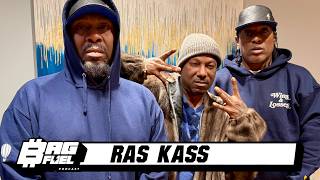 1h 55m⏭ 1
 26m
26m 25m
25m 26m
26m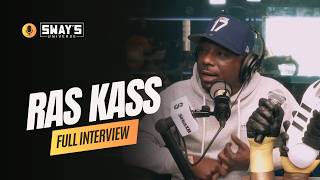 47m
47m 1h 7m
1h 7m 44m
44m 2h 30m⏭ 1
 1h 32m
 1h 6m
1h 6m 1h 42m
 1h 49m⏭ 2
 3h 6m⏭ 1
 3h 4m
3h 4m 49m
49m 1h 59m⏭ 2
 3h 50m⏭ 5
 2h 1m⏭ 1
 2h 8m
2h 8m 1h 0m⏭ 1
 33m
33m 46m
46m 3h 54m⏭ 7
 54m⏭ 1
 3h 59m⏭ 5
 1h 13m
 54m⏭ 2
 58m⏭ 5
 1h 26m
 1h 16m⏭ 2
 45m⏭ 2