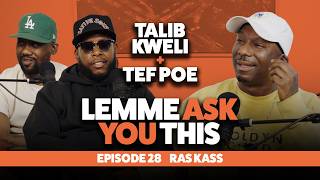
About this episodeThe conversation explores the evolution of graffiti from traditional letter-based 'piecing' to symbolic charac…AI summary
The conversation explores the evolution of graffiti from traditional letter-based 'piecing' to symbolic characters and messages, highlighting the cultural shift from underground counter-culture to mainstream visibility. The speakers discuss the stark differences between regional graffiti scenes, particularly the high-skill, crew-oriented style of Los Angeles versus the individualistic, safety-conscious approach in New York, while also addressing the impact of social media on the mystique and curation of graffiti culture.
Key takeaways 5
Regional Style Differences: Los Angeles graffiti culture historically emphasized high-skill 'piecing' and large-scale rollers as a standard, whereas New York culture has shifted towards tagging and throw-ups due to different security risks and gang dynamics.
Gang Influence on Aesthetics: The guest explains that growing up in a gang-influenced environment in LA led to an emulation of gang handwriting styles to fit in, which later influenced his unique graffiti aesthetic that blends illegibility with personal symbolism.
Social Media Impact on Mystique: The widespread availability of graffiti videos on social media has reduced the 'mystique' of the art form compared to the era of films like 'Infamy,' where seeing a writer on camera was a rare seal of legitimacy.
Media Curation and Propaganda: Early graffiti documentation (like Flickr) was heavily curated by specific photographers, creating a controlled narrative or 'propaganda' about what was considered 'valid' graffiti, which differed from the raw reality on the streets.
Symbolism vs. Legibility: The guest transitioned from traditional lettering to symbolic characters (like his bat) and messages to stand out in a crowded scene, noting that symbols can transcend language barriers and connect with specific subcultures (e.g., punks, addicts) more effectively than complex wildstyle letters.
Notable quotes 5AI-generated: wording and quote attribution may be wrong. Use the play link to verify.
“It's like a form of propaganda. It's literally propaganda in the graffiti world.”
▶ 47:15Discussing how early photographers curated which graffiti was documented, shaping the public perception of what was 'real' or 'valid' graffiti.
“I had to emulate their handwriting in order to fit in. I had to literally look at how they did handwriting so that I could practice it.”
▶ 21:05Explaining how growing up around gang members in LA influenced his early development of graffiti style and tags.
“The goal is to be most up... but when you don't see him for a minute and then boom you're like oh no. So there you go.”
▶ 47:47Reflecting on the traditional goal of being 'up' (visible) versus the appreciation for discovering new writers unexpectedly.
“It's for people who, you know, are recovering addicts or, you know, sex workers or whatever. Just [__] strange individuals. It's for them. It's for them to like see and be like, 'Oh yeah, I'm home.'”
▶ 5:47Describing the intent behind his unique bat character and message-based graffiti, aiming to resonate with marginalized or 'weird' individuals.
“That's what's weird about infamy, though, because although video does take away the mystique, for some reason with infamy for me, it like added mystique.”
▶ 41:39Contrasting the general impact of social media videos with the specific cultural impact of the documentary 'Infamy,' which humanized writers while still maintaining their legend.
Chapters & Sections (22)▼
0:00Graffiti Symbolism and Hip Hop Culturechapter3
1:55Online Graffiti Support and Artistic Interaction
3:31Graffiti Permanence and Hip Hop Media Representation
5:09Graffiti Messages and Personal Expression
8:51Graffiti Legibility and Traditional Piecingchapter1
11:31Freeway Sign Piecing and Legibility Struggles
13:55Graffiti Style Evolution and Regional Differenceschapter1
16:48LA Graffiti Culture and Police Encounters
18:52Gang Influence on Graffiti Style and Safetychapter2
20:50Criminal Background and Gang Perception
22:36Encounter with Young Subway Documentarians
26:44Security Risks and Graffiti Culturechapter3
28:45Police Response to Graffiti Climbing
29:53Louis Vuitton Window Collaboration Details
31:52Collaborating with Rob 1970 on Graffiti Merchandise
34:55Graffiti Art, Female Artists, and Infamy Documentarychapter1
37:10Infamy Documentary Impact and Humanization
40:05Impact of Video on Graffiti Mystiquechapter1
42:15Saber's Evil Graffiti Style Impact
44:30Graffiti Media Control and Spam Culturechapter2


 1h 39m
 27m
27m 1h 39m⏭ 4
 1h 44m⏭ 4
 45m
45m 2h 2m⏭ 3
 2h 31m⏭ 6
 1h 10m⏭ 3
 1h 43m⏭ 2
 1h 43m
 2h 40m
 2h 59m⏭ 4
 11h 23m⏭ 1
 33m
33m 3h 54m⏭ 7
 1h 0m⏭ 1
 46m
46m 48m⏭ 2
 1h 16m
 3h 59m⏭ 5
 1h 13m
 25m
25m 25m
25m 45m⏭ 2