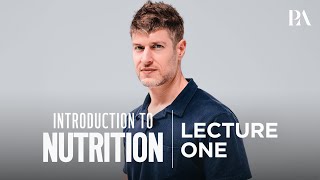
About this episodeThe video explores the rise of nutrition misinformation, driven by social media trends and industry lobbying, …AI summary
The video explores the rise of nutrition misinformation, driven by social media trends and industry lobbying, contrasting it with established scientific consensus. Key topics include the limitations of GLP-1 weight loss drugs as quick fixes, the flawed 'naturalistic fallacy' regarding processed foods and raw milk, and the political bias influencing recent dietary guideline changes. The core message emphasizes that sustainable health relies on evidence-based habits rather than viral trends or magic bullets.
Key takeaways 6
GLP-1 medications (like Ozempic/Wegovy) are effective for weight loss and extending life by reducing appetite, but they do not automatically improve diet quality; users must still consciously choose nutrient-dense foods to avoid losing muscle mass or micronutrients.
The term 'ultra-processed food' is scientifically defined by the NOVA classification as containing ingredients inaccessible to home kitchens, but this category is often misused to villainize all packaged foods; the real health risk comes from low-nutrient, hyper-palatable ultra-processed foods high in added sugar, salt, and fat, not from nutrient-dense processed items like fortified yogurt.
The 2025-2030 Dietary Guidelines replaced the intuitive 'MyPlate' with an inverted pyramid that heavily features animal proteins, a change critics attribute to industry lobbying and ideological bias rather than new scientific evidence, as the underlying science still supports limiting saturated fat to <10% of calories.
Seed oils (polyunsaturated fats) are scientifically proven to be heart-healthy when replacing saturated fats; the anti-seed oil narrative relies on a flawed mechanistic hypothesis (linoleic acid converting to inflammatory arachidonic acid) that does not hold up in human epidemiological studies.
Raw milk advocates often misunderstand pasteurization, believing chemicals are added, when it is simply heating milk to 165°F for 15 seconds; the 'naturalistic fallacy' leads people to reject safe public health interventions like pasteurization and food fortification because they seem 'unnatural.'
Most Americans consume adequate protein; the current 'protein fad' is largely driven by social media influencers and the 'manosphere,' with specific exceptions for older adults, those recovering from injury, and under-informed vegetarians.
Notable quotes 5AI-generated: wording and quote attribution may be wrong. Use the play link to verify.
“If a diet book were written by a physicist it would be one sentence long. Consume food at a lower calorie rate than you burn it.”
▶ 10:32Jessica Nurick explains that GLP-1 drugs essentially fulfill the basic physics of weight loss (calorie deficit), but she notes this doesn't address diet quality.
“Arsenic is natural. No one's going, 'Bro, you got to try this organic arsenic. It's amazing.'”
▶ 18:31Nurick uses this analogy to debunk the 'naturalistic fallacy'—the idea that natural foods are inherently healthy and processed foods are inherently bad.
“It's a victim of its own success just like vaccines, just like food fortification, just like pasteurization.”
▶ 46:00Explaining why public health interventions like pasteurization face backlash: because they work so well, people forget the historical suffering (e.g., dying from E. coli) and question their necessity.
“If you can kind of avoid getting down that path... if a video starts and says, 'Are you poisoning your kids?' That's not going to be good information. That person is not going to get liver enhancement pills on my website.”
▶ 53:30Advice on identifying misinformation: sensationalist headlines designed to sell supplements or products are red flags for unreliable advice.
“Center your diet on plants... get a variety of protein from animal and plant-based sources. Eat as many kind of like whole nutrient-dense foods as possible and limit kind of these low nutrient ultra-processed foods.”
▶ 53:00Nurick's simplified, evidence-based summary of healthy eating that cuts through the noise of fads.
Chapters & Sections (29)▼
0:00Navigating Misinformation in Nutritionchapter2
1:52Progress in Nutrition and Public Health
3:47Chronic Diseases on the Rise Despite Medical Advancements
5:30Long-term Effects of Weight Loss Medicationschapter2
7:13Safety and Efficacy of Long-Term Clinical Trials
8:30Nutrition Quality vs. Quantity on Weight Loss Drugs
11:07The Quest for Instant Health Fixeschapter3
13:30Overcoming Nutrition Myths and Unhealthy Food Choices
14:54Understanding Ultraprocessed Foods and Their Impact
16:25Navigating the Complexity of Processed Foods
18:23The Misconceptions of Natural vs Processed Foodschapter1
20:42Debunking Protein Intake Myths in Modern Diet
23:39Evolution of the Food Pyramid Guidelineschapter4
25:05Evolution of Dietary Guidelines in the US
26:37Changes to Dietary Guidelines Visual Representation
28:07Conflict of Interest in Dietary Guidelines
29:43Influence of Lobbying on Dietary Guidelines
32:37The Problem with Seed Oils in Nutritionchapter2
34:24Benefits of Polyunsaturated Fatty Acids in Diet
 1h 45m⏭ 1
 1h 17m
 1h 14m⏭ 1
 1h 43m⏭ 1
 1h 0m⏭ 1
 26m
26m 56m
56m 53m
53m 1h 7m
1h 7m 1h 6m
1h 6m 55m⏭ 1
 49m
49m 1h 49m
 46m
46m 1h 38m
 49m⏭ 1
 3h 48m
 1h 36m⏭ 3
 2h 22m⏭ 1
 3h 7m⏭ 1
 2h 11m⏭ 4
 2h 37m⏭ 6
 1h 5m⏭ 3
 2h 14m⏭ 1
 1h 0m⏭ 1
 33m
33m 46m
46m 3h 54m⏭ 7
 3h 59m⏭ 5
 1h 13m
 54m⏭ 1
 58m⏭ 5
 54m⏭ 2
 25m
25m 45m⏭ 2
 1h 16m⏭ 2