About this episodeThe hosts argue that Anthropic and other frontier AI labs are engaging in regulatory capture by promoting fear…AI summary
The hosts argue that Anthropic and other frontier AI labs are engaging in regulatory capture by promoting fear-mongering narratives and demanding strict, government-backed regulations (like a FINRA or FDA model) that would stifle innovation and cede AI leadership to China. They contend that the current political backlash against AI, manifested in data center pushback and rising socialism, stems from unaddressed affordability issues and a loss of trust in tech elites, rather than genuine safety concerns.
Key takeaways 6
Anthropic's regulatory strategy is characterized as a 'Trojan horse' where they propose a self-regulatory organization (SRO) that effectively acts as a government agency (DMV/FDA for AI), designed to create high barriers to entry that only they can afford, thereby locking out open-source competitors and smaller players.
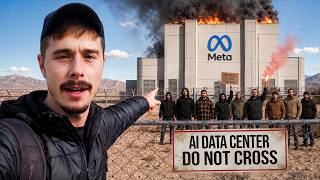
The political pushback against data centers (e.g., Governor Abbott in Texas, Shapiro in Pennsylvania) is driven by voter anger over unaffordability and wealth inequality, not AI safety; voters are using local infrastructure blocks as a proxy for punishing tech oligarchs.
Open-source AI models improve in capability when wrapped in different harnesses, whereas closed-source models decay when wrapped in their own proprietary harnesses, suggesting open-source is more performant and cheaper for consumers.
Recursive Self-Improvement (RSI) may render traditional government regulation obsolete because RSI systems can operate autonomously in any jurisdiction with compute and power, meaning US regulation only serves to push innovation offshore.
The Democratic Socialists of America (DSA) platform proposes spending between $71 trillion and $212 trillion, which exceeds the total net worth of the Forbes 400 ($6.6T) and corporate profits ($35T), indicating that such policies would require massive asset seizures or taxation of the middle class.
Silicon Valley has lost its aspirational quality, shifting from idealistic 'weirdos' to credentialed elites focused on wealth extraction, which has eroded public trust and fueled anti-capitalist sentiment.
Notable quotes 5AI-generated: wording and quote attribution may be wrong. Use the play link to verify.
“The thing that will work is actually curing cancer, not glitzy marketing questions.”
▶ 1:25Dario Amodei's quote cited by the hosts to highlight the disconnect between Anthropic's promises and actual delivery.
“I call it a DMV for AI because I think what's going to happen is all these models are going to get lined up in a queue waiting to get their test done and then released and it's going to slow us down horribly.”
▶ 16:07Sam Altman describing the negative impact of the proposed FINRA-style regulatory framework for AI.
“Unless America stops us, us being consumers, business owners, from using the cheapest, fastest, best thing. Unless they stop us from doing that, we will win.”
▶ 29:16Freeberg arguing that open-source AI will outperform closed-source alternatives if consumers are allowed to use them freely.
“It is the dysfunction of the government's relationship with the other organizations that fundamentally causes things to become more expensive and dysfunctional... At that point you have to identify and you don't identify the government... you have to point the finger at somebody... the best class of people to scapegoat are the billionaires.”
▶ 1:25:52Saxs explaining the sociological mechanism behind the backlash against tech elites and data centers.
“We need spokespeople who are saying this technology will empower you to get a great job. Paradoxically, the guy who did the best job explaining this... was Jensen [Huang]... then Zuckerberg... Daario and Sam have not done that.”
▶ 37:36Jake House comparing Meta's proactive communication about job creation and tools against Anthropic's doom-focused narrative.
Chapters & Sections (40)▼
0:00Anthropic Regulatory Capture and AI Doom Narrativechapter1
3:04Anthropic's AI Fear Campaigns and Contrived Studies
5:49AI Risk, Data Center Pushback, and Transparencychapter2
8:17Frontier Lab Leader AI Risk Perspective
10:30Open Source AI Transparency and Thinking Tokens
12:01AI Regulation: FINRA vs MPA Modelschapter1
14:42Critique of AI Regulatory Models
17:42AI Safety, Liability, and China Competitionchapter4
19:57Transparency vs. Trade Secrets in AI Regulation
21:33Public Opposition to AI Data Centers
23:14Public Anger Over Tech Wealth and Inequality
25:46Open Source AI vs Closed Source Performance
29:51Regulatory Capture and Open Source Ban Riskschapter4
32:05Regulatory Impact on Foreign Investment
33:29China Tech Crackdown Warning
35:00Economic Impact of Autonomous Vehicles
37:11AI Job Loss Fears vs Reality
39:41Silicon Valley Culture Shift and AI Leadershipchapter1
41:39Dario's Vision and AI Communication Strategy
44:35Recursive Self-Improvement and AI Regulationchapter4
47:06Decentralized AI Regulation Challenges
48:32US Data Centers and AI Time Dilation
50:04Mixture of Experts and Automated Model Evolution
52:12AI Regulation and AGI Alignment Strategies
55:09AI Regulation, Antitrust Probe, and VC Successchapter1
58:01VC Conflicts and DOJ Investigation Risks
1:00:53Midterm Polling Bias and Republican Policy Winschapter1
1:04:24Border Security and Economic Policy Wins
1:05:53Rising Socialist Sentiment and Affordability Crisischapter2
1:07:53Government Intervention and Asset Inflation
1:10:12Economic Crisis and Socialist Shift
1:11:46Corporate America, Media Trust, and Inflationchapter2
1:14:46Political Levers and Inflation Impact
1:16:28Capitalism's Broken Parts and Inflation
1:18:02Government Intervention, Inflation, and DSA Spending Riskschapter2
1:19:43Socialism, Inflation, and Economic Policy Debate
1:22:19DSA Spending Risks and Bond Market Panic
1:23:48Scapegoating, Data Centers, and Housing Policychapter2
1:27:13Executive Order for Housing and Trade Schools
 1h 23m
 1h 33m⏭ 1
 1h 4m
1h 4m 28m
28m 1h 18m⏭ 1
 27m
27m 1h 27m
 1h 43m⏭ 1
 1h 31m
 1h 9m⏭ 2
 50m
50m 1h 10m
 2h 13m⏭ 3
 1h 40m⏭ 2
 1h 40m⏭ 1
 34m⏭ 1
 3h 24m⏭ 3
 1h 11m⏭ 4
 2h 54m⏭ 1
 1h 37m⏭ 3
 52m⏭ 3
 1h 15m⏭ 2
 2h 23m
 5h 14m⏭ 1
 1h 0m⏭ 1
 33m
33m 46m
46m 3h 54m⏭ 7
 3h 59m⏭ 5
 1h 13m
 54m⏭ 1
 54m⏭ 2
 58m⏭ 5
 25m
25m 45m⏭ 2
 1h 16m⏭ 2