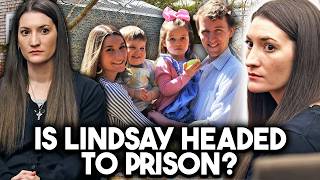
About this episodeThe episode analyzes the Lindsey Clancy murder trial, highlighting the legal burden of proof for insanity defe…AI summary
The episode analyzes the Lindsey Clancy murder trial, highlighting the legal burden of proof for insanity defenses in Massachusetts versus Arizona, and the jury dynamics surrounding postpartum psychosis claims. It also covers the Montana family massacre, exploring the psychological profile of family annihilators and the Arizona connection to the victims, before concluding with updates on the Brian Cobberger plea reopening, the Tupac Shakur trial, and a new Netflix documentary on the death of Pastor Micah Miller.
Key takeaways 5
Legal Distinction: In Massachusetts, the prosecution bears the burden to prove beyond a reasonable doubt that a defendant was not insane (either lacking understanding of wrongfulness or lacking control), whereas in Arizona, the defense must prove insanity by clear and convincing evidence.
Expert Validity: Forensic experts emphasize that contemporaneous observations during the psychosis are more relevant than retrospective diagnoses made years later, noting that many experts in the Clancy case only interviewed her briefly after the fact.
Family Annihilator Profile: These perpetrators often exhibit a history of feeling discarded or rejected, leading to a premeditated 'crescendo' event where they objectify family members as obstacles to be eliminated, often followed by suicide.
Altruistic Philicide: The defense in the Clancy case may rely on the concept of altruistic philicide, where the perpetrator believes they are doing a 'kindness' by killing their children to save them from suffering or a perceived worse fate.
Social Media Impact: Public perception of maternal mental illness cases has shifted due to social media, with some groups advocating for reduced accountability by blaming government failure to provide resources, despite defendants having access to care.
Notable quotes 4AI-generated: wording and quote attribution may be wrong. Use the play link to verify.
“She had more access to treatment and care and support than a lot of people do. This wasn't a woman suffering from a lack of care, a lack of resources. She had an abundance of help, an abundance of care.”
▶ 4:55Prosecutor's closing argument highlighting that Clancy had ample resources but failed to disclose her homicidal thoughts to providers.
“Just because you have psychosis doesn't mean that you're going to murder your children. And also just because you hear a voice in your head doesn't mean that it's going to control your body.”
▶ 8:04Guest Josh Kohl's analysis of why a psychosis diagnosis alone is insufficient for an insanity defense.
“Family annihilators tend to be men... their thought process is inverse: I'm going to commit suicide but because they're unable to do so, they externalize it out and kill the family first that then allows them the opportunity in their mind to complete the original act that they had wanted to do was suicide.”
▶ 40:24Forensic psychologist John Deator explaining the psychological mechanism behind family annihilator suicides.
“If you're not honest with your healthcare providers, they can't provide you the health care that you need.”
▶ 20:48Explanation of why Clancy's failure to report hallucinations or homicidal ideation undermined her mental health defense.
 23m
23m 59m⏭ 1
 59m
59m 22m
22m 25m
25m 28m
28m 25m
25m 29m⏭ 1
 1h 0m
1h 0m 29m⏭ 1
 23m
23m 23m
23m 1h 8m⏭ 1
 1h 24m⏭ 1
 1h 12m
 42m
42m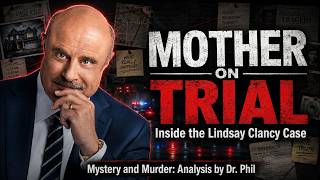 57m⏭ 1
 1h 9m⏭ 2
 49m
49m 1h 1m
1h 1m 2h 45m⏭ 3
 1h 36m
 42m⏭ 2
 1h 19m⏭ 5
 11h 23m⏭ 1
 33m
33m 1h 0m⏭ 1
 46m
46m 48m⏭ 2
 3h 54m⏭ 7
 3h 59m⏭ 5
 1h 16m
 54m⏭ 1
 1h 13m
 38m
38m 54m⏭ 2