About this episodeDr. Drew and Tyrus conduct a candid psychological assessment where Tyrus takes sex addiction and narcissism sc…AI summary
Dr. Drew and Tyrus conduct a candid psychological assessment where Tyrus takes sex addiction and narcissism screenings, revealing he is not a sex addict but has low-normal narcissistic traits linked to attachment issues and deep-seated resentment. The conversation explores how Tyrus used anger and public validation to cope with childhood trauma and abandonment, ultimately finding peace in his role as a father and recognizing the need to manage resentment for better mental health.
Key takeaways 5
Resentment is described as corrosive 'poison' that fuels acting-out behaviors and prevents emotional regulation; managing it is critical for personal peace.
Tyrus's sexual behavior was not addiction but 'acting out' driven by depression, a need to prove his manhood after a painful divorce, and insecure attachment styles stemming from childhood abandonment.
The Milgram experiment is used as a framework to explain societal obedience to authority, suggesting that those who enforced strict pandemic protocols were psychologically similar to prison guards rather than anti-Nazi resistors.
Narcissism exists on a spectrum; while malignant narcissism is harmful, healthy narcissism (e.g., self-belief) is necessary for success, with Tyrus scoring low-normal (10/40) due to his focus on service rather than vanity.
Attachment styles formed in the first five years of life dictate adult relationship patterns; insecure attachments (anxious or avoidant) often require therapeutic intervention to repair.
Notable quotes 5AI-generated: wording and quote attribution may be wrong. Use the play link to verify.
“Resentment is what fueled me for such a long time. It was the anger and the hate.”
▶ 0:11Tyrus reflecting on the primary emotional driver behind his past behaviors and career choices.
“A resentment is like taking a poison and expecting it to hurt somebody else.”
▶ 26:58Dr. Drew explaining the self-destructive nature of harboring grudges and resentment.
“The hardest thing for men is to say I'm damaged. I want to be better and to express it... strength has our vision of what real strength is is not actually what strength is.”
▶ 0:11Tyrus discussing the societal pressure on men to appear invulnerable and the importance of vulnerability as true strength.
“If you said horrible things to me or you reported your neighbors for having a barbecue or you yelled at somebody for not having a mask... you would be the prison guard in Germany. You would not be the anti-Nazi standalone.”
▶ 8:25Dr. Drew using the Milgram experiment analogy to critique blind obedience to authority during the pandemic.
“My children don't play sports so they don't have to go home... they play them because they love it and that they're able to do it. So, um, that's mission accomplished.”
▶ 46:58Tyrus expressing pride that his children enjoy their activities without the burden of anger or trauma he carried.
Chapters & Sections (24)▼
0:00Confronting Past Trauma and Resentmentchapter3
2:06Career and Reputation in the Public Eye
3:52Returning to a Caring and Supportive Role
5:12Confronting Past Mistakes in Medical Profession
7:01The Psychology of Obedience to Authoritychapter3
8:51Confronting Past Mistakes and Unhealthy Relationships
10:26Navigating Family Relationships and Personal Growth
13:52Confronting Past Mistakes and Emotional Struggles
15:37The Nature of Sex Addiction and Narcissismchapter3
17:23The Dangers of Self-Esteem and Narcissism
18:51Attachment Styles and Trauma in Relationships
21:24Overcoming Past Regrets and Self-Doubt
24:48Co-Parenting and Building Relationships with Childrenchapter2
26:28Managing Resentments and Emotional Regulation
28:48The Rise of Narcissism in Modern Society
30:14The Complexity of Narcissistic Personality Traitschapter1
32:37Measuring Personality Traits in Celebrities and Students
35:16Importance of Regular Health Check-Upschapter1
38:14Managing Narcissism and Past Regrets
40:30Overcoming Negativity and Finding Purposechapter4
42:23The Stigma of Mental Health in Masculinity
44:08Embracing Human Vulnerability and Imperfection
46:00The Dangers of Resentment and Anger in Sports
47:31Overcoming Resentment and Finding Inner Peace
 1h 5m
1h 5m 50m
50m 1h 5m
1h 5m 1h 16m⏭ 2
 1h 9m
1h 9m 1h 16m
 33m
33m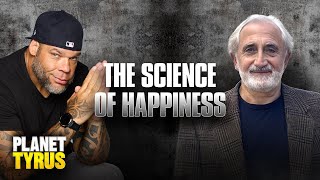 1h 2m
1h 2m 58m
58m 1h 42m
 1h 4m
1h 4m 1h 0m
1h 0m 58m
58m 1h 23m⏭ 1
 44m
44m 2h 9m⏭ 5
 1h 37m⏭ 4
 1h 42m⏭ 2
 1h 35m⏭ 2
 1h 53m
 2h 2m⏭ 1
 1h 36m
 1h 42m⏭ 4
 1h 22m⏭ 1
 2h 10m
 4h 5m⏭ 4
 2h 18m⏭ 3
 2h 24m⏭ 3
 1h 24m
 1h 37m
 11h 23m⏭ 1
 33m
33m 1h 0m⏭ 1
 46m
46m 3h 54m⏭ 7
 3h 59m⏭ 5
 54m⏭ 1
 1h 13m
 1h 16m⏭ 2
 58m⏭ 5
 25m
25m 38m
38m