About this episodeGrand Canyon National Park officials confirmed that out of 82 people initially reported missing in the canyon,…AI summary
Grand Canyon National Park officials confirmed that out of 82 people initially reported missing in the canyon, only one remains unaccounted for based on permit records, with two fatalities recovered. The incident involved rapid flash flooding that disabled water gauges and damaged critical infrastructure, leading to Stage 4 water restrictions and the closure of the Colorado River for rafting operations.
Key takeaways 5
The number of missing persons was reduced from an initial high estimate to one unaccounted individual through extensive verification of permits, license plates, and family contacts.
The USGS water gauge system in Bright Angel Creek went offline during the flood, preventing real-time data transmission, though it had initially alerted officials to rising waters.
The county's emergency notification system, established with the USGS and National Weather Service, successfully pushed alerts to satellite devices in the canyon despite zero cell service.
The park is under Stage 4 water restrictions due to damage to the legacy Trans Canyon water line, with only approximately two weeks of water storage available on the South Rim.
Day hikers are common in the affected area (Bright Angel Creek/Phantom Ranch), creating a significant 'unknown unknown' variable for search and rescue operations.
Notable quotes 4AI-generated: wording and quote attribution may be wrong. Use the play link to verify.
“We have one person unaccounted for at this time... We are absolutely holding out hope um that that person is still alive.”
▶ 14:18Incident Commander Dave Black discussing the status of the final missing person and the ongoing search efforts.
“The system is not designed to predict flash flooding. This is just an a emergency alerting system... it's a reporting of these are this is what we know. This is what's coming.”
▶ 26:28Tim Carter clarifying the function of the county's emergency notification system versus predictive weather modeling.
“We've never trucked in water. So we we can't truck water here. Um, we are a ADAQ um certified utility provider... we cannot co-ingle water from other other areas in the in the state or the region.”
▶ 29:51Brian Dropo explaining why water cannot be trucked in to replace the damaged pipeline due to certification and scientific constraints.
“Our ability to prepare to respond uh has a lot of factors, right? helicopter availability, team fitness... every time that we get a call out for an emergency, those factors are all considered in terms from the chief ranger and and the rest of our team in terms of their what what the emergency is, how do we plan to respond to this potential situation.”
▶ 33:19Brian Dropo explaining the logistical constraints and safety protocols involved in mobilizing air assets for rescue.
 59m
59m 59m⏭ 1
 22m
22m 25m
25m 23m
23m 29m⏭ 1
 28m
28m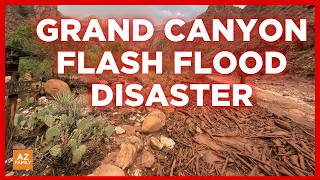 25m
25m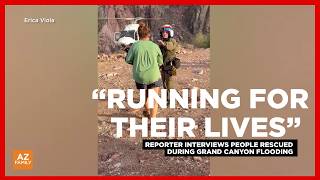 29m⏭ 1
 23m
23m 1h 1m
1h 1m 1h 0m
1h 0m 52m
52m 1h 13m
 1h 33m⏭ 2
 3h 59m⏭ 4
 1h 0m
1h 0m 1h 51m⏭ 2
 44m⏭ 1
 1h 30m⏭ 1
 33m
33m 43m
43m 2h 33m⏭ 2
 1h 29m
 1h 0m⏭ 1
 33m
33m 46m
46m 3h 54m⏭ 7
 3h 59m⏭ 5
 54m⏭ 1
 54m⏭ 2
 58m⏭ 5
 25m
25m 45m⏭ 2
 1h 16m⏭ 2