About this episodeHost Josh and guest Max Miller test their knowledge of food history by identifying fake dishes among real anci…AI summary
Host Josh and guest Max Miller test their knowledge of food history by identifying fake dishes among real ancient, medieval, and modern recipes. The episode reveals how historical preservation techniques like vinegar and fermentation influenced modern dishes like ceviche, while debunking myths about barnacle geese and medieval dietary restrictions.
Key takeaways 5
Sikbaj, a 10th-century vinegared lamb stew from the Annals of the Caliphs' Kitchen, is the direct ancestor of modern dishes like Spanish escabeche, Peruvian ceviche, Jamaican escovitch, and British fish and chips.
The 'barnacle goose' myth led Pope Innocent III to rule in 1215 that these geese could be eaten during Lent because they were believed to sprout from barnacles on driftwood, classifying them as fish.
Ancient Mesopotamian stew (Hittite) used ingredients like barley, lentils, and small birds (francolin or Cornish game hen), while 6th-century Chinese liver dishes utilized caul fat and douchi (fermented soybean juice) for umami.
Medieval 'fat days' allowed for luxurious foods like stuffed egg soup with saffron and butter, contrasting with lean days of penance, as documented in 15th-century manuscripts.
The fake medieval dish was 'Frog and Cockpie,' a fabricated recipe attributed to the House of Beaufort; the real historical context involved using banquet leftovers, but no such specific manuscript exists.
Notable quotes 4AI-generated: wording and quote attribution may be wrong. Use the play link to verify.
“Food didn't get good until like 1938.”
▶ 1:06Josh jokingly dismissing medieval cuisine quality before tasting the dishes.
“Kids aren't eating caul fat. Kids aren't drinking. Kids aren't driving. They're not having sex anymore. They're not eating caul fat.”
▶ 6:18Max Miller humorously lamenting the decline of caul fat usage in modern cooking.
“If it swims, it's a fish.”
▶ 22:10Max summarizing the medieval logic for why beaver tails and barnacle geese were considered acceptable during Lent.
“The culinary team has prepared every dish using items from our local Ralph Smith's Co kitchens go-to Kroger family store.”
▶ 14:20Sponsorship mention highlighting the use of modern grocery stores for historical recreation.
Chapters & Sections (19)▼
0:00Tasting Ancient Mesopotamian and Chinese Disheschapter2
1:37Analyzing Hittite Stew Ingredients and History
3:38Tasting Sixth Century Chinese Liver Dish
7:00Ancient Indian Lamb and Roman Snail Recipeschapter1
8:59Analyzing Ancient Roman Snail Recipe
11:34Galen's Wolf Peach and Hittite Stewchapter2
12:55Identifying Anachronistic Ingredients in Hittite Stew
14:16Kroger Sponsorship and Grocery Shopping
16:16Historical Dishes Sikbaj and Monk's Egg Soupchapter1
18:46Medieval Monk's Stuffed Egg Soup Recipe
20:42Medieval Barnacle Goose and Frog Piechapter1
22:34Tasting Medieval Goose and Sauce
25:14Evaluating Medieval Frog Pie Authenticitychapter1
 39m⏭ 1
 41m
41m 56m
56m 1h 3m
1h 3m 53m
53m 55m
55m 1h 5m
1h 5m 50m
50m 1h 9m
1h 9m 47m
47m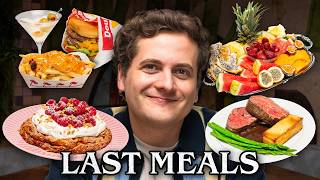 1h 3m
1h 3m 1h 3m⏭ 1
 2h 54m
 4h 26m
 1h 15m⏭ 2
 58m⏭ 3
 2h 14m
 31m⏭ 1
 1h 31m⏭ 4
 42m
42m 3h 26m⏭ 4
 2h 35m⏭ 3
 47m
47m 2h 42m⏭ 4
 1h 0m⏭ 1
 33m
33m 3h 59m⏭ 5
 46m
46m 3h 54m⏭ 7
 54m⏭ 1
 1h 13m
 54m⏭ 2
 9h 11m
 1h 26m
 45m⏭ 2
 58m⏭ 5