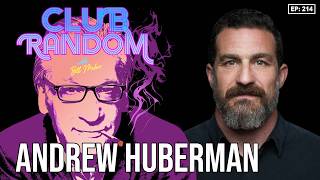
About this episodeThe conversation details the neuroscience of learning, sleep, and motivation, emphasizing that neuroplasticity…AI summary
The conversation details the neuroscience of learning, sleep, and motivation, emphasizing that neuroplasticity requires a two-stage process of intense focus followed by deep rest (NSDR or sleep). It explains how dopamine drives motivation through prediction errors rather than just pleasure, and how managing symbols, sunlight exposure, and attentional focus can optimize mental and physical health.
Key takeaways 5
Learning is a two-stage process: Stage 1 requires focus/alertness (releasing acetylcholine and epinephrine to highlight neural connections), and Stage 2 requires deep rest (sleep or NSDR) where the brain replays these connections at high speed to reinforce them.
Dopamine is the molecule of motivation and prediction error, not just pleasure; it is released when outcomes exceed expectations (positive prediction error) or when anticipating rewards, and crashes when expectations are unmet.
The brain processes dreams using abstract symbols and relationships rather than literal representations; analyzing dreams is most effective in the liminal state immediately upon waking before engaging with new sensory input.
Morning sunlight exposure anchors circadian rhythms, enhancing mood, immune function, and sleep quality by regulating cortisol, melatonin, and dopamine rhythms.
Change is stressful because it forces the brain to make new predictions, triggering adrenaline release; learning to deliberately disengage from thinking via NSDR helps manage this stress response.
Notable quotes 4AI-generated: wording and quote attribution may be wrong. Use the play link to verify.
“The whole process of neuroplasticity and learning is really a two-stage process. First, there must be focus and alertness... And then the second stage is that it is only during periods of deep rest... that allow the nervous system to change.”
▶ 0:14Explaining the fundamental mechanism of how learning occurs biologically.
“Dopamine is not about feeling good. Dopamine is the molecule of motivation and the desire to pursue additional things in a particular line of life.”
▶ 20:14Clarifying the common misconception about dopamine's role in behavior and motivation.
“If you have less dopamine heading into something than you do afterward, that tells the synapses... to reinforce themselves and to engage in that behavior again.”
▶ 26:57Defining the mechanism of reward prediction error that drives habit formation.
“Most of the bad things that we do to ourselves and others... are from a heightened state of reactivity where we're just not conscious. And that's because our aperture, our window of attention is too narrow.”
▶ 39:04Linking narrow attentional focus to reactive behavior and lack of mindfulness.
Chapters & Sections (29)▼
0:00Neuroplasticity Learning Stages and Restchapter2
2:1790-Minute Focus Cycles and Micro Rests
4:28Incremental Learning and Neuroplasticity
6:40REM Sleep, Dream Symbolism, and Emotional Processingchapter2
8:21Brain Symbolic Representation and Dreams
10:03Dream Analysis and Waking State Symbolism
12:21Symbols, Introjects, and Sunlight's Biological Impactchapter1
15:04Sunlight Anchors Circadian Rhythms
17:16Using Symbols and Dopamine for Motivationchapter2
18:56Buffering Negativity with Positive Symbols
20:57Dopamine, Superstitions, and Internal Predictions
22:39Dopamine Reward Prediction Error and Addictionchapter1
24:29Adaptive Addiction and Dopamine Prediction Error
27:13Dopamine, Change, and Nervous System Stresschapter2
28:59Dopamine Peaks and Relationship Bonding
30:27Nervous System Stress and Change
32:57NSDR and Attentional Spotlight Controlchapter2
35:36Social Media and Attentional Transitions
37:39Covert Attention and Deliberate Disengagement
39:20Nervous System Asymmetries and Negativity Biaschapter1
42:51Countering Nervous System Asymmetries
44:15Managing Anger and Dopamine Triggerschapter3
46:24Meditation and Rest for Emotional Control
48:15Dopamine Fasts and Subtle Perception
49:44Dopamine vs Serotonin Oxytocin Balance
51:32Neurochemistry of Romantic Relationshipschapter3
 2h 15m⏭ 2
 2h 38m
 1h 28m⏭ 1
 1h 13m
 1h 6m⏭ 1
 1h 35m⏭ 1
 2h 16m⏭ 1
 1h 37m⏭ 1
 1h 17m
 1h 53m⏭ 1
 1h 28m⏭ 2
 1h 2m⏭ 2
 2h 23m
 3h 55m⏭ 4
 2h 38m
 4h 1m⏭ 2
 2h 16m⏭ 5
 2h 46m
 1h 31m⏭ 3
 1h 27m⏭ 4
 1h 9m
1h 9m 3h 26m⏭ 6
 2h 18m⏭ 2
 27m
27m 1h 46m⏭ 3
 3h 24m
 1h 6m⏭ 2
 2h 30m⏭ 2
 1h 50m⏭ 2
 1h 47m⏭ 2
 2h 24m⏭ 3
 1h 35m⏭ 6
 1h 55m⏭ 1
 1h 50m⏭ 4
 1h 28m⏭ 3
 1h 0m⏭ 1
 33m
33m 46m
46m 3h 54m⏭ 7
 3h 59m⏭ 5
 54m⏭ 1
 1h 13m
 54m⏭ 2
 58m⏭ 5
 1h 16m⏭ 2
 45m⏭ 2
 1h 26m