About this episodeDefense attorney Michael Samp discusses the guilty verdict in the Tupac Shakur murder trial, attributing the l…AI summary
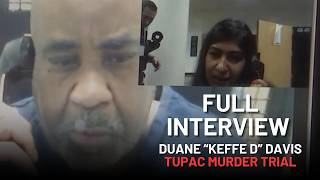
Defense attorney Michael Samp discusses the guilty verdict in the Tupac Shakur murder trial, attributing the loss to a rushed jury deliberation (under 2 hours) and the admission of prejudicial evidence regarding Biggie Smalls. He outlines a long-term appeal strategy focused on pre-trial motion errors, predicting a future plea deal for time served once appellate courts rule on evidentiary admissibility.
Key takeaways 5
Jury Deliberation Speed Indicator: Samp uses a heuristic that if jury deliberation is under three hours for a complex case, the jury likely made up their minds before reviewing evidence, signaling a loss for the defense.
Appeal Strategy: The defense's primary strategy is to appeal the admission of 'bad acts' evidence (Biggie Smalls murder) and the 2008/2009 recordings, arguing these prejudiced the jury beyond their probative value.
Defense Strategy Rationale: The defense did not have Dwayne Davis testify because his credibility was already undermined by inconsistent statements in books and interviews; putting him on the stand would have highlighted his lack of trustworthiness without providing corroborating facts.
Future Outcome Prediction: Samp anticipates that after the appeal process resolves evidentiary issues, the District Attorney will likely offer a plea deal commensurate with time served, resulting in Davis's release.
Pre-trial vs. Trial Focus: The defense viewed the trial itself as 'playing with house money,' believing the critical legal battles should have been won during pre-trial motions to exclude specific evidence.
Notable quotes 4AI-generated: wording and quote attribution may be wrong. Use the play link to verify.
“If a jury's not out for at least three or four hours that it doesn't bode well for the defense. And the reason for that is is because then the jury has already made up their minds.”
Samp explains why the short deliberation time (approx. 1.5 hours) indicated the jury did not properly consider the evidence.
“We were playing with House money... if we won, phenomenal... but if we had lost, we were planning on the fact that we had to appeal these issues to get a fair trial.”
▶ 1:03Samp describes the defense's strategic mindset, viewing a trial win as a bonus but expecting an appeal was necessary due to pre-trial rulings.
“This man got convicted on words only... I never saw any facts in this case.”
Samp argues that the conviction relied solely on Davis's statements without corroborating physical evidence like video or fingerprints.
“I hate losing. I hate losing. I hate hate losing... it just irked me because it was there for no good reason.”
▶ 5:27Samp expresses his personal frustration with the verdict, attributing it to procedural unfairness rather than lack of effort.
Chapters & Sections (12)▼
0:00Jury Deliberation Time and Appeal Strategychapter3
2:17Jury Deliberation Time Analysis
4:21Jury Bias and Pretrial Strategy
6:25Defendant's Reaction to Guilty Verdict
8:08Defense Strategy and Guilty Verdict Analysischapter2
10:11Defense Team Preparation and State Readiness
11:49Reliance on Words Over Physical Evidence
13:30Defense strategy and witness testimony analysischapter1
16:26Hair appearance and case long-term vision
18:07Jury Deliberation Speed and Appeal Viabilitychapter2
20:38Jury Verdict Reaction and Sentencing Debate
22:46Attorney Reaction to Verdict and Future Plans
 22m
22m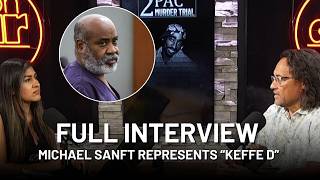 26m
26m 21m
21m 21m
21m 22m
22m 9h 11m
 43m
43m 1h 31m⏭ 1
 47m⏭ 1
 43m⏭ 1
 1h 19m⏭ 2
 4h 52m⏭ 1
 2h 34m⏭ 4
 1h 46m
 3h 3m⏭ 4
 2h 44m
 2h 18m
 11h 23m⏭ 1
 33m
33m 3h 54m⏭ 7
 46m
46m 1h 0m⏭ 1
 48m⏭ 2
 1h 16m
 3h 59m⏭ 5
 1h 13m
 25m
25m 54m⏭ 1
 25m
25m