About this episodeMatthew McConaughey and John Grisham discuss the making of 'A Time to Kill,' McConaughey's journey from unknow…AI summary
Matthew McConaughey and John Grisham discuss the making of 'A Time to Kill,' McConaughey's journey from unknown actor to Oscar winner, and the creation of their respective books. The conversation highlights the importance of discipline, self-reflection, and understanding opposing viewpoints in both law and acting.
Key takeaways 5
McConaughey's casting in 'A Time to Kill' was a high-stakes gamble by director Joel Schumacher, who trusted his instinct that McConaughey was the character, leading to a massive career launch.
Grisham's inspiration for 'A Time to Kill' came from witnessing a traumatic courtroom testimony, which led him to explore the emotional complexity of justice and retribution.
McConaughey's memoir 'Green Lights' was derived from 30+ years of diary entries, categorized into stories, people, places, prescriptions, poems, prayers, and bumper stickers.
Grisham's writing routine is highly disciplined: he writes one page a day, starting January 1st, finishing by July 1st, and always knows the ending before starting the beginning.
McConaughey took a 20-month dry spell after romantic comedies to reset his industry perception, which led to critical acclaim roles like Ron Woodroof in 'Dallas Buyers Club'.
Notable quotes 5AI-generated: wording and quote attribution may be wrong. Use the play link to verify.
“You are Jake Brigance. That's it. Don't make it anyway. That's why John and I cast you. That's because we want you.”
▶ 23:23Joel Schumacher's direction to Matthew McConaughey during the filming of 'A Time to Kill', emphasizing authenticity over performance.
“If you write one page a day... in the span of a year you've written almost a book.”
John Grisham's advice to aspiring writers on maintaining consistency and discipline.
“Can we live a life that we can look forward to looking back?”
▶ 44:12McConaughey's central theme in 'Green Lights', encouraging intentional living and decision-making.
“I was raised on this thing: I love you. I may not like you right now, but I love you.”
McConaughey describing his family's disciplinary approach, emphasizing that love was never in question despite strict rules.
“The more I went to the subjective eye, the more I started to realize it was about the royal we. It was about the human experience.”
▶ 28:09McConaughey explaining how his personal diary entries transformed into a universal narrative in his memoir.
Chapters & Sections (55)▼
0:01The Story of Meeting and Collaboratingchapter4
0:01The Story of Meeting and Early Career
1:45Casting Process for Film Roles
2:58Film Rights and Production Decisions Made
4:25Casting Challenges and Unexpected Breakthroughs
6:10Inspiration Behind Writing a Time to Killchapter2
6:10Inspiration Behind Writing a Time to Kill
8:21Emotional Testimony in a High-Profile Court Case
10:40Author's Early Writing Experiences and Career Struggleschapter2
10:40Author's Journey to Writing Success
12:45Early Career Ambitions and Life Choices
14:45Effective Storytelling in the Courtroomchapter2
14:45Effective Defense Strategies and Courtroom Dynamics
16:25Getting First Speaking Role in Hollywood
19:08Rapid Rise to Fame After Movie Successchapter3
19:08Rapid Rise to Fame After Movie Success
21:01Reconnecting with a Lost Friend and Colleague
22:33Breaking into Hollywood with No Acting Experience
24:34The Importance of Keeping a Personal Diarychapter4
24:34The Power of Keeping a Personal Diary
26:09Discovering Personal Frequency and Life Purpose
27:32Navigating Life's Challenges and Finding Opportunity
28:49Writing a Personal Memoir: Courage and Vulnerability
30:13Reflecting on Personal Growth and Self-Discoverychapter3
30:13Personal Growth through Solitary Reflection
31:52Discovering Unexpected Themes in Personal Diaries
33:06Setting Writing Goals and Standards
34:19Importance of Solitude and Self-Reflectionchapter3
34:19Importance of Solitude and Self-Reflection
36:36Writing Routine and Productivity Strategies
38:00The Isolation of a Writer's Creative Process
39:17Morning Writing Routine and Creative Processchapter3
39:17Morning Writing Routine and Creative Process
41:00Importance of Daily Writing Discipline
43:09Planning and Reflecting on Life's Journey
44:52Childhood Family Dynamics and Parenting Styleschapter2
44:52Childhood Family Dynamics and Upbringing
46:26Parental Discipline and Childhood Values Formation
49:56Overcoming Cultural Shock and Personal Growthchapter3
49:56Transition from High School to Adulthood
51:51Finding Identity Through Isolation and Self-Reflection
53:30Author's Decision to Revive a Beloved Character
55:22Book Adaptations and Film Rightschapter3
55:22Book Adaptations and Hollywood Film Industry
57:08Moral Stances on Capital Punishment
58:22Juvenile Justice and Capital Punishment
1:00:10Evolution of Death Penalty Views and Personal Growthchapter3
1:00:10Evolution of Death Penalty Views and Beliefs
1:01:46Transitioning from Rom-Coms to Dramatic Roles
1:03:05Chasing a Low-Budget Film Production Opportunity
1:04:37Academy Award Win and Career Reflectionchapter4
1:04:37Winning the Academy Award for Best Actor
1:06:06Importance of Delayed Gratification in Life
 1h 23m
 1h 9m
1h 9m 23m
23m 1h 9m
1h 9m 1h 7m
1h 7m 1h 16m
 1h 10m
 1h 2m
1h 2m 1h 28m
 1h 1m
1h 1m 1h 14m
 52m
52m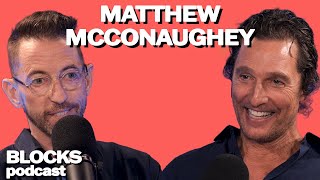 1h 58m⏭ 2
 1h 43m
 1h 33m⏭ 4
 1h 23m⏭ 2
 1h 59m
 38m
38m 2h 6m⏭ 2
 1h 57m⏭ 4
 2h 41m
 1h 10m⏭ 2
 1h 5m⏭ 3
 1h 10m
 1h 6m⏭ 1
 20h 40m⏭ 10
 1h 36m⏭ 1
 1h 41m⏭ 2
 2h 4m⏭ 2
 2h 47m
 56m
56m 1h 13m
 1h 19m⏭ 5
 1h 13m
 2h 53m⏭ 5
 2h 38m⏭ 1
 11h 23m⏭ 1
 33m
33m 3h 54m⏭ 7
 46m
46m 1h 0m⏭ 1
 48m⏭ 2
 1h 16m
 3h 59m⏭ 5
 1h 13m
 25m
25m 25m
25m 45m⏭ 2