About this episodeThe conversation explores the democratization of finance through Robinhood's evolution from zero-commission tr…AI summary
The conversation explores the democratization of finance through Robinhood's evolution from zero-commission trading to tokenization and prediction markets, arguing that widespread asset ownership is essential for societal stability and technological adoption. Key themes include the inefficiencies of traditional financial infrastructure, the strategic importance of organic growth in fintech, and the use of prediction markets as 'truth machines' to cut through information noise.
Key takeaways 5
Prediction markets function as 'truth machines' that aggregate dispersed information into accurate forecasts more effectively than polls or expert opinions, as demonstrated by DARPA's early research and Google's internal use.
Financial services face a significantly higher barrier to trust than consumer apps; organic traction is rare because most fintechs rely on expensive paid acquisition (e.g., Google ads) which favors incumbents with deep pockets.
The traditional settlement system (T+1) is inefficient and creates unnecessary collateral requirements; tokenization could enable instant settlement (T+0), 24/7 trading, and eliminate middleman risks.
Retail investors provide a competitive advantage to companies through higher valuation multiples and talent retention, as seen with Palantir and Tesla, challenging the conventional wisdom that only institutional backing matters.
The 'Great Wealth Transfer' of $120 trillion to younger generations is a key growth driver, but Robinhood also targets older demographics by offering superior user experience and family finance tools that simplify complex banking.
Notable quotes 5AI-generated: wording and quote attribution may be wrong. Use the play link to verify.
“A simple lie is much more powerful than a complicated truth.”
▶ 00:58Explaining why the narrative that Robinhood colluded with hedge funds during the GameStop saga persisted despite the complex reality of clearing mechanics and collateral requirements.
“Prediction markets actually take advantage of all of these sort of like forces to consolidate into a more accurate forecast. That's not a guess. It's not a poll. It's a price formed by people with real skin in the game.”
▶ 01:01:08Defining why prediction markets are superior information aggregation tools compared to traditional polling methods.
“If you own an asset, that's great. You benefit from all of these amazing new things like the iPhone... If you just get paid cash... they just get left behind.”
▶ 00:43Highlighting the economic divergence between asset owners and wage earners in an inflationary environment where asset prices rise faster than wages.
“Private equity firms launder volatility. Because every day what is the price of an asset? It's like whatever anybody will pay for it. But if you're an investor in a private equity firm... my value in this private equity fund didn't fall at all.”
Critiquing the opacity of private markets where valuations are stale, contrasting them with the liquidity and real-time pricing of public or tokenized assets.
“It shouldn't just be owned by a small fraction of VCs. In fact, we should make sure that there's ways to distribute it [AI ownership].”
▶ 01:52Arguing for broader distribution of ownership in high-growth sectors like AI to prevent social backlash and ensure egalitarian benefits from technological advancement.
Chapters & Sections (125)▼
00:00The Limitations of Information in the Digital Agechapter2
00:00Critique of Information Overload and Prediction Markets
00:30The Ownership Economy and Asset Price Inflation
01:36Automation and Job Security Concernschapter2
01:36Automation and Job Security Concerns
02:35Differences Between Financial Relationships and Social Media
03:05Challenges of Organic Traction in Financial Serviceschapter2
03:05Challenges of Building a Successful Company
03:36Challenges of Organic Distribution in Finance
04:22The Evolution of Fintech and Regulatory Challengeschapter2
04:22Entering the Fintech Market with Uncertainty
05:14Disrupting the Consumer Investing Landscape
06:01Origins of Active Investing and Democratizationchapter2
06:01Democratizing Access to Hedge Fund Strategies
06:54Challenges of Innovative Business Models
07:31Building a Sustainable and User-Friendly Trading Platformchapter3
07:31Pricing Strategy and Competitive Advantage
08:28Security Concerns with Mobile Financial Transactions
08:54Advantages of Mobile Trading Platforms
09:39Financial Crisis and System Disillusionmentchapter4
09:39Financial Crisis and Career Implications
10:07Career Security and Job Transition
10:33Financial System Disillusionment and Occupy Protests
11:16Evolving Business Models for Mass Adoption
11:55Disrupting Institutional Trading with Free Softwarechapter3
11:55High-Frequency Trading Industry Business Model
12:46Disrupting Institutional Trading with Technology
13:17Making Trading Algorithms Accessible to Everyone
13:48Founding Vision and Pricing Strategychapter3
13:48Opening a Coastal Engineering Office Strategy
14:39Free Stock Trading Business Model
15:06Pricing Decisions Behind Zero Commission Model
16:27Overcoming Early Challenges in Business Growthchapter3
16:27Cost of Servicing and Business Efficiency
16:58Challenges Faced by a Successful Company
17:23Recalling the GameStop Market Crisis of 2021
18:15Remote Work and Business Challenges During COVIDchapter
19:33Payment for Order Flow and Market Makingchapter1
19:33Payment for Order Flow and Market Making
21:00Clearing House Collateral Requirements Explainedchapter2
21:00Stock Settlement Times and Collateral Requirements
21:47Clearing Houses and Market Infrastructure
22:27Navigating Business Model Risks During Crisischapter4
22:27Business Model Flaws During Economic Downturn
22:59Analyzing a Successful Investment Decision
23:28Averting Liquidity and Solvency Risk
23:55Navigating Brand Impact and Public Perception
24:44Rebuilding Brand Reputation After Crisischapter2
24:44Public Perception of Financial Market Events
25:10Rebuilding Brand Image After Crisis
26:29Brokerage Industry Event Impact and Trading Practiceschapter2
26:29Impact of Product Events on Shareholder Engagement
27:03Complexity of Stock Trading and Financial Systems
27:46Criticism of Robinhood's Business Practiceschapter3
27:46Criticism of Robinhood's Business Practices
28:13Deflecting Responsibility in Financial Industry
28:39Taking Responsibility for Past Mistakes
29:20Settlement Delays and Liquidity Issues in Cryptochapter1
29:20Settlement Delays and Liquidity Issues in Crypto
31:01Benefits of Tokenizing Securities Tradingchapter2
31:01Benefits of Self-Custody in Stock Trading
31:41Tokenization of Private Company Stocks
32:26Retail Participation in IPOs and Market Trendschapter2
32:26Retail Participation in Initial Public Offerings
33:13Challenges in Retail IPO Allocation Process
34:05Retail Investors Gain Access to IPO Marketchapter4
34:05Retail Investors Drive IPO Market Trends
35:06Private Markets Access and Shareholder Alignment
35:43Challenges of Institutional Access to Retail Investing
36:11Benefits of Private Company Status for Retail
36:58Automation and Job Security Concernschapter3
36:58Automation and Job Security Concerns
37:43Retail Investors and Stock Ownership Dynamics
38:19Evolution of Venture Capital Funding Rounds
38:56Challenging Conventional Wisdom on IPOschapter4
38:56Challenging Conventional Wisdom in IPO Strategies
39:30Barriers to Retail Investment in Private Markets
40:01Restrictions on IPO Investments in Massachusetts
40:28Challenges of Going Public for Companies
41:13Private Equity Firms and Market Volatilitychapter2
41:13Benefits of Public vs Private Company Liquidity
41:58Tokenization of Assets for Retail Investors
42:46Regulation and Public Perception of Emerging Technologieschapter3
42:46Regulating Frontier Technologies for Public Acceptance
43:16Inflation and Asset Price Disparity
43:44Home Prices in the Bay Area
44:16Benefits of Owning Assets in the Economychapter2
44:16Comparing Stock Ownership Across Time Periods
44:48Ownership Economy and Investing for Everyone
45:36Benefits of Capitalism and Ownershipchapter3
45:36Benefits of Investing in Capitalism
46:11Robinhood's Evolution as a Financial Platform
46:30Using Robinhood as a Bank Account Alternative
46:59Balancing Depth and Breadth in Trading Offeringschapter3
46:59Balancing Breadth and Depth in Trading Offerings
47:51Robinhood's Expansion into Advanced Crypto Services
48:22Prioritizing Active Traders for Revenue Growth
49:14Robinhood's Product Development and Feature Expansionchapter2
49:14Robinhood's Product Development and Feature Limitations
49:52High Net Worth Individuals and Investment Solutions
50:41Robinhood's Business Model and Deposit Bonuseschapter2
50:41Elon Musk's Potential Partnership with Robinhood
51:33Competitor Products and Market Comparison
52:17Product Prioritization and Innovation Strategychapter4
52:17Prioritizing Business Decisions in Uncertainty
52:45Evaluating Product Gaps and Unique Selling Points
53:18Competitive Advantage of Unique Financial Products
 56m
56m 1h 4m
1h 4m 53m
53m 58m
58m 50m
50m 47m
47m 50m
50m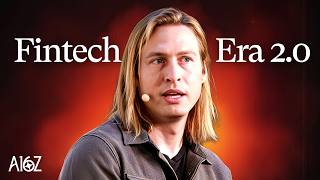 45m
45m 1h 3m
1h 3m 1h 8m
1h 8m 56m
56m 29m
29m 56m⏭ 3
 1h 2m⏭ 1
 1h 14m⏭ 1
 1h 57m⏭ 1
 1h 39m⏭ 2
 1h 46m⏭ 7
 1h 21m⏭ 2
 1h 0m
1h 0m 1h 13m⏭ 1
 1h 47m⏭ 4
 42m
42m 2h 47m
 1h 0m⏭ 1
 33m
33m 46m
46m 3h 54m⏭ 7
 3h 59m⏭ 5
 1h 13m
 54m⏭ 1
 54m⏭ 2
 1h 26m
 45m⏭ 2
 58m⏭ 5
 25m
25m