About this episodeThe video explores the cognitive mechanisms behind why humans believe lies, focusing on the 'Illusory Truth Ef…AI summary
The video explores the cognitive mechanisms behind why humans believe lies, focusing on the 'Illusory Truth Effect' and 'Confirmation Bias' using a construction site analogy for worldview formation. It demonstrates how repetition makes false information feel true and how emotional alignment bypasses critical scrutiny, leading to polarization. The host provides actionable strategies for navigating misinformation, including self-monitoring emotional reactions, avoiding confrontational debunking, and adopting a posture of curiosity.
Key takeaways 5
The Illusory Truth Effect: Repetition reduces cognitive processing effort, causing the brain to unconsciously assume repeated statements are true, even after they are debunked. The 'ghost' of the false information remains in the brain and influences behavior.
Confirmation Bias as 'Preferred Information': Information that aligns with existing beliefs bypasses the brain's 'inspection team' (critical analysis) because it reinforces the individual's worldview tower, often triggered by dopamine rewards for feeling safe and correct.
Misinformation Impact on Policy: False narratives can infiltrate decision-making processes; for example, a fabricated story about Ukrainian President Zelenskyy buying yachts with US taxpayer money was shared by lawmakers and contributed to delays in aid funding.
Evolutionary Mismatch: The human brain evolved to prioritize group safety and social cooperation over empirical truth. In the modern era, algorithms exploit this by delivering 'preferred bricks' (information that confirms biases) to keep users engaged and feeling safe.
Ineffectiveness of Confrontation: Yelling at or trying to prove someone wrong online typically causes them to refortify their existing beliefs rather than change their minds, increasing polarization.
Notable quotes 4AI-generated: wording and quote attribution may be wrong. Use the play link to verify.
“The more you hear something, the more you think it's true, and it kind of sticks around even after it's been debunked or corrected.”
▶ 14:18Tali Sharot explaining the persistence of the Illusory Truth Effect even after factual correction.
“Trying to prove somebody wrong, especially in an internet setting, actually has the opposite effect, forcing us to refortify our towers.”
▶ 33:45Johnny Harris summarizing research on why aggressive debunking fails to change minds.
“Arriving curious is an instantly disarming energy and it opens you up to understanding and learning.”
▶ 35:05Advice on how to engage with others who hold different views without triggering defensive reactions.
“We still have the old hardware, we still want to feel safe in our group like the old days. We want visits from the dopamine fairy, whether that comes from truth or lies.”
▶ 29:23Explanation of why humans are susceptible to misinformation despite having access to factual data.
Chapters & Sections (26)▼
0:00Lying and the Human Brain Explainedchapter1
0:00Lying and the Human Brain Explained
5:19The Dangers of Believing Lies and Misinformationchapter2
5:19The Dangers of Believing Lies and Misinformation
7:38Construction of Worldview through Information
10:02The Illusory Truth Effect in Perceptionchapter3
10:02Illusory Truth Effect in Crime Reporting
11:46The Power of Persistent Misinformation
13:03The Illusory Truth Effect Explained
14:18The Illusory Truth Effect and Misinformationchapter3
14:18The Illusory Truth Effect in Misinformation
15:53Cognitive Biases and Preferred Information
17:14Cognitive Biases and Emotional Decision Making
18:49Debunking Misinformation on Immigration and Politicschapter2
18:49Debunking Misinformation on Immigration and Politics
21:26Misleading Information on Immigration and Gaza
23:23Authoritarianism and Misinformation in Trump's Abortion Stancechapter3
23:23Trump Mischaracterized on Abortion and States' Rights
24:55Misinformation's Impact on Decision Making
26:23Confirmation Bias and Misinformation Effects
29:03The Dangers of Social Media Manipulationchapter5
29:03The Dangers of Social Confirmation Bias
30:59Social Media and Human Behavior
32:23Navigating Misinformation and Lies Online
33:37Effective Communication Strategies for Changing Minds
 17m
17m 26m⏭ 2
 31m⏭ 1
 21m⏭ 1
 23m⏭ 1
 18m⏭ 1
 21m⏭ 1
 22m⏭ 1
 16m⏭ 1
 15m⏭ 1
 15m⏭ 1
 16m⏭ 1
 1h 49m
 3h 17m
 1h 9m
1h 9m 50m
50m 3h 1m
3h 1m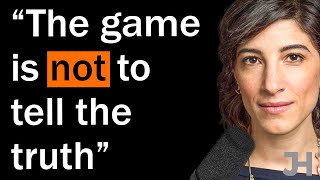 1h 41m⏭ 1
 2h 30m⏭ 2
 1h 5m⏭ 3
 2h 2m⏭ 4
 1h 17m
 1h 47m
 1h 48m⏭ 4
 1h 43m⏭ 4
 11h 54m
 1h 0m⏭ 1
 11h 54m⏭ 8
 33m
33m 6h 26m
 3h 54m⏭ 7
 3h 59m⏭ 5
 9h 11m
 46m
46m 54m⏭ 1
 7h 50m