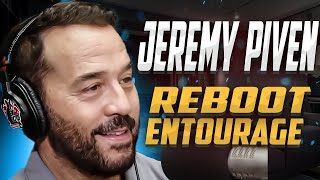
About this episodeThe creator of Entourage reveals the chaotic, low-budget production methods that defined the show's early seas…AI summary
The creator of Entourage reveals the chaotic, low-budget production methods that defined the show's early seasons, including shooting without permits and improvising storylines without a long-term plan. He discusses the intense pressure of showrunning, the serendipitous casting of major celebrities like James Cameron, and the cultural shift that later marginalized the show despite its initial critical acclaim.
Key takeaways 5
Entourage was produced on a pilot budget of approximately $2.5 million, roughly half the budget of typical half-hour comedies at the time, requiring a 'run and gun' filming style with only five days to shoot a single-camera episode.
The show's visual style was intentionally cinematic (widescreen, fewer close-ups) to avoid looking dated on future large-screen TVs, a decision initially resisted by HBO executives who called it 'pretentious' but ultimately influenced industry standards.
The creator operated without a series bible or long-term plot outline, writing episodes sequentially as they were produced, which led to significant anxiety but allowed for organic character development and realistic dialogue.
Casting major celebrities like James Cameron was achieved through sheer persistence and leveraging producer connections, with Cameron agreeing to appear after being sent the script by a producer who had worked on his films.
The show faced a significant cultural backlash during the pandemic, where it was re-evaluated through a lens of 'white privilege' despite previously being critically acclaimed and award-nominated.
Notable quotes 4AI-generated: wording and quote attribution may be wrong. Use the play link to verify.
“I didn't have anything. I didn't have episode two beginning... I would just start typing. It's when I figure things out.”
▶ 20:24Describing his lack of a pre-planned series arc and improvisational writing process.
“HBO kept telling me I was pretentious. I wanted to shoot it in widescreen. I wanted to shoot a lot of one wonders, and I wanted to really shoot it like a like a film.”
▶ 10:57Explaining the creative decision to make the show look like a movie rather than traditional TV.
“The only way I thought Aquaman movie could be good is if James Cameron directed. Otherwise, it's just pure cherish.”
▶ 22:50Explaining the motivation behind obsessively trying to cast James Cameron in the show.
“I don't spend one second thinking about ideas unless somebody's paying me on the table.”
▶ 37:08When asked about reviving Entourage, indicating his current stance on returning to the franchise.
Chapters & Sections (26)▼
0:00HBO Development and Casting Challengeschapter6
1:49Character Origins and Real Life Influences
3:28Mark Wahlberg's Creative Input and HBO's 2001 Landscape
4:50HBO Development and Initial Reception
6:27Writing Style and Realistic Dialogue
8:00Organic Product Placement and Budget Constraints
10:18Cinematic Widescreen Visual Style
11:54Casting, Pitching, and Showrunning Entouragechapter2
14:52Collaborative Writing and On-Set Presence
16:35Budget Management and Production Challenges
18:14Show Creation and James Cameron Castingchapter2
21:21Writing Process and James Cameron Casting
23:20James Cameron Prank and Avatar Collaboration
26:00Celebrity Casting and Production Challengeschapter2
27:37Seth Green Casting and Improv
29:07Lakers Game Filming and City Reception
30:47Entourage Culture Shift and Revival Statuschapter2
32:46TV Director Roles and Character Writing
34:49Entourage Revival Challenges and Legacy
36:34Entourage Podcast Revival and Hollywood Declinechapter2
38:12Hollywood Filming Industry Challenges
39:36Hollywood's Decline and Writing Challenges
41:32Showrunning Challenges and Industry Realitieschapter1
43:48TV Show Survival and Viewing Habits
46:23Harvey Weinstein Character Creation and Castingchapter1
48:53Harvey Weinstein Anecdotes and Ari Gold Reception
 1h 2m⏭ 1
 1h 10m⏭ 1
 1h 2m⏭ 1
 52m⏭ 1
 57m⏭ 1
 54m⏭ 1
 1h 8m⏭ 1
 1h 20m
 40m
40m 1h 37m⏭ 1
 1h 45m⏭ 1
 1h 26m
 1h 56m⏭ 2
 2h 22m
 1h 37m⏭ 3
 33m
33m 2h 10m
 1h 33m⏭ 2
 1h 39m⏭ 3
 1h 2m
1h 2m 2h 3m⏭ 2
 2h 24m⏭ 4
 1h 18m⏭ 1
 2h 45m
 1h 0m⏭ 1
 33m
33m 46m
46m 3h 54m⏭ 7
 3h 59m⏭ 5
 54m⏭ 1
 1h 13m
 54m⏭ 2
 1h 26m
 45m⏭ 2
 58m⏭ 5
 25m
25m