About this episodeJohn Cleese discusses the failure of American adaptations of British comedy due to producers ignoring his crea…AI summary
John Cleese discusses the failure of American adaptations of British comedy due to producers ignoring his creative control, and shares his theory that therapy reduces productivity but increases creativity. He details the real-life inspiration for Fawlty Towers, the influence of radio on Monty Python's writing style, and anecdotes about his controlling mother and father's alcoholism.
Key takeaways 6
American TV producers failed to adapt Fawlty Towers because they ignored Cleese's advice, believing they knew how to do it better, resulting in 'absolute disasters'.
Cleese posits that therapy can make a person 'less productive but more creative', contrasting the therapeutic process with the unproductive nature of interviews.
The Dunning-Kruger effect is explained by Cleese as the discovery that the skills required to assess one's competence are the same as the skills required to be competent.
Monty Python's success was rooted in their background in radio and literate satire (Beyond the Fringe), allowing them to write their own material rather than fight over acting roles.
Basil Fawlty was based on Donald Sinclair, a hotel owner who stole Cleese's football gear; Sinclair later became famous for his 'disappointingly pleasant and competent' service.
Creativity is linked to relaxation and play, not left-brain activity, as demonstrated by the Dalai Lama's view that laughter allows for new ideas.
Notable quotes 5AI-generated: wording and quote attribution may be wrong. Use the play link to verify.
“They always said they knew how to do it and they were all absolute disasters.”
▶ 1:10Cleese explaining why American adaptations of Fawlty Towers failed.
“In order to know how good you are at something requires almost exactly the same skills as it does to be good at it in the first place.”
▶ 3:56Cleese describing David Dunning's theory on self-assessment.
“We were basically six writers or five writers who used to perform our own material... we never squabbled about who was gonna play what role.”
▶ 8:45Cleese clarifying that Monty Python was primarily a writing group, not an acting troupe.
“The only series I believe to being written by a husband and wife while divorcing.”
▶ 11:03Cleese noting the unique circumstance of writing Fawlty Towers during his divorce from Connie Booth.
“I would love to strangle Rupert Murdoch with my hair.”
▶ 19:23Cleese's humorous response to what he has always wanted to do but hasn't yet.
Chapters & Sections (33)▼
0:00Challenges of Adapting British Comedy to American TVchapter3
0:00Humor and Satire in Comedy Sketches
0:58Challenges of Adapting British Comedy for US TV
1:54Therapy's Impact on Creativity and Productivity
3:06Teaching Methods and Academic Theorieschapter2
3:06Teaching Methods and Assessment Techniques
4:26Terry Gilliam's Integration into the Monty Python Group
6:01Taxation and International Financial Obligationschapter3
6:01Taxation and International Financial Obligations
6:48Influences on Comedy Writing and Performance
7:49Influences on British Satirical Comedy
8:27The Origins and Influences of Fawlty Towerschapter2
8:27The Creative Process Behind Writing Radio Scripts
9:17Lost and Found Experiences at Hotels
10:28Childhood Experiences with a Controlling Parentchapter3
10:28TV Series Creation and Personal Relationships
11:30Parental Relationships and Childhood Experiences
11:59Parental Control and Television Viewing Habits
12:41Managing Irritation and Frustration in Personal Relationshipschapter3
12:41Managing Irritation and Emotional Control
13:24Challenges of Collaborative Creative Projects
14:15Challenges in Collaborative Creative Projects
15:13Celebrity Interviews and Personal Anecdoteschapter3
15:13Celebrity Dinner Party and Book Tour Antics
17:30Embarrassing Experiences with Singing Auditions
18:00Audition Experience for Broadway Musical
18:58The Power of Creativity and Laughterchapter2
18:58Humorous Life Experiences and Regrets
20:01The Power of Laughter and Creativity
21:16Costumes and Identity in Everyday Lifechapter3
21:16Costume Wearers and Their Unpredictable Behavior
 1h 23m
 1h 9m
1h 9m 23m
23m 1h 9m
1h 9m 1h 7m
1h 7m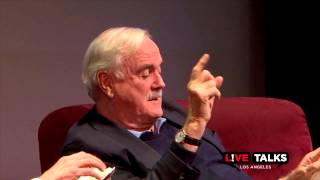 1h 16m
 1h 10m
 1h 2m
1h 2m 1h 28m
 1h 1m
1h 1m 1h 14m
 1h 30m
 1h 9m⏭ 1
 1h 41m⏭ 4
 1h 4m
1h 4m 1h 16m⏭ 1
 1h 50m
 1h 10m
 1h 59m⏭ 1
 1h 29m⏭ 2
 1h 9m
1h 9m 1h 18m
 2h 52m⏭ 1
 1h 9m⏭ 1
 1h 0m⏭ 1
 33m
33m 3h 59m⏭ 5
 3h 54m⏭ 7
 46m
46m 54m⏭ 1
 1h 13m
 54m⏭ 2
 9h 11m
 1h 26m
 58m⏭ 5
 6h 26m