About this episodeOlivia Wilde and the cast of 'The Invite' discuss a highly collaborative, improvisational approach to filmmaki…AI summary
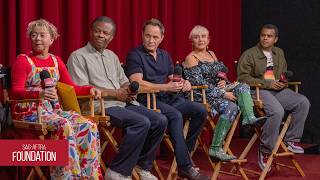
Olivia Wilde and the cast of 'The Invite' discuss a highly collaborative, improvisational approach to filmmaking that reimagined the script through extensive rehearsal and shooting in chronological order. The project succeeded by leveraging the actors' input to shape character dynamics and tone, proving that trusting performers and maintaining spontaneity can overcome the challenges of a single-location shoot.
Key takeaways 5
Collaborative Casting: The director worked with actors to co-create characters by mixing everyone's 'DNA' into the script during rehearsal, rather than handing them a finished product.
Shooting in Order: Filming scenes chronologically allowed the cast to build upon previous performances naturally, creating a 'runaway train' energy that felt organic and spontaneous.
Tone Management: The film balanced humor and heartbreak by trusting the actors' instincts; the tone was described as a synthesis of the four performers' individual energies rather than a rigidly controlled direction.
Single Location Strategy: To avoid claustrophobia in a one-room setting, the cast maintained high energy and spontaneity, using the environment dynamically to keep the audience engaged.
Director-Actor Dual Role: Olivia Wilde found that acting alongside her cast allowed her to see subtle choices (like side actions) that a monitor view would miss, informing her directing decisions in real-time.
Notable quotes 5AI-generated: wording and quote attribution may be wrong. Use the play link to verify.
“Mix everybody's DNA into this thing and then continue that throughout production because we're going to be able to shoot in order.”
▶ 1:46Olivia Wilde explaining the collaborative process of reimagining the script with the cast.
“I think in all his films you don't know what your movie is until your actors tell you. You have no idea what the movie is. They are the ones who are going to put their lives their their souls into these characters and that is what your movie is.”
▶ 21:52Olivia Wilde referencing director Wong Kar-wai to explain her philosophy on letting actors define the film.
“Sticking to a plan is almost never the right way to approach directing. It's definitely the wrong way.”
“It was like a living breathing thing on set... if it was like getting too serious, we would try to undercut it.”
▶ 8:19Penelope Cruz describing how the group instinctively balanced the tone between comedy and drama.
“I had I had permission to to to laugh all I wanted and I remember like okay something happened in that day that it just was the way it was supposed to be.”
▶ 28:00Penelope Cruz reflecting on a specific day where the chemistry and humor flowed naturally.
Chapters & Sections (13)▼
0:01Collaborative Casting and Reimagining The Invitechapter2
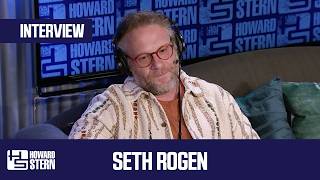
1:54Seth Rogen's Casting Journey and Collaborative Process
4:15Balancing Comedy and Heartbreak Tone
8:26Tone, Character Dynamics, and Single Location Filmingchapter2
9:44Character Complexity and Non-Judgmental Tone
11:27Cinematography and Spatial Tension
13:19Directing and Acting Simultaneouslychapter1
16:23Actors Directing Actors Collaboration
19:07Rehearsal Process and Directorial Approachchapter4
21:45Casting Importance and On-Set Laughter
23:39On-Set Surprises and Plot Revisions
24:50Production Confidence and Chemistry Dynamics
27:14Spontaneous Laughter and Improvisation on Set
 1h 27m
 35m
35m 33m
33m 1h 2m
1h 2m 1h 5m
1h 5m 30m
30m 1h 0m
1h 0m 28m
28m 1h 28m
 1h 34m
 54m
54m 1h 3m
1h 3m 1h 21m
 29m
29m 1h 25m⏭ 1
 1h 7m
1h 7m 12m
12m 14m
14m 1h 17m
 50m⏭ 4
 2h 21m
 1h 5m⏭ 3
 2h 30m⏭ 1
 1h 31m
 50m
50m 4h 49m
 1h 5m⏭ 1
 1h 9m
1h 9m 57m⏭ 1
 38m
38m 1h 6m
1h 6m 1h 51m
 1h 0m
1h 0m 44m
44m 11h 23m⏭ 1
 33m
33m 1h 0m⏭ 1
 46m
46m 48m⏭ 2
 3h 54m⏭ 7
 3h 59m⏭ 5
 1h 13m
 38m
38m 54m⏭ 2
 10h 34m
 25m
25m