About this episodeThe Lindsay Clancy trial jury is deadlocked with a reported 11-to-1 split, causing defense attorney Kevin Read…AI summary
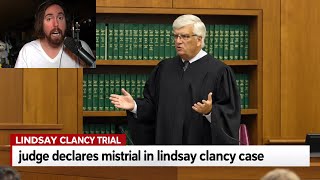
The Lindsay Clancy trial jury is deadlocked with a reported 11-to-1 split, causing defense attorney Kevin Readington to demand the removal of a holdout juror who allegedly refuses to follow the judge's instructions on reasonable doubt. The judge conducted individual voir dire of each juror and re-instructed them on the legal standard of 'moral certainty' before dismissing them for the day, leaving the possibility of a mistrial or a negotiated plea deal if the deadlock persists.
Key takeaways 5
The core dispute centers on whether the holdout juror is refusing to deliberate (grounds for removal) or simply holding a firm conviction based on reasonable doubt (protected deliberation).
Massachusetts law places the burden on the prosecution to disprove the insanity defense ('not responsible by reason of mental defect') beyond a reasonable doubt, making the 'moral certainty' instruction critical for the defense.
Readington's aggressive behavior suggests he believes the 11 jurors are aligned with his position (insanity/not responsible), and removing the holdout would secure an acquittal on that basis.
If the jury remains deadlocked, prosecutors may offer a plea deal involving a stipulated bench trial for 'not guilty by reason of insanity,' resulting in long-term confinement in a mental facility rather than a retrial.
Juror intimidation is a serious issue, highlighted by a woman allegedly taking photos of jurors, which could result in up to 20 years in custody.
Notable quotes 4AI-generated: wording and quote attribution may be wrong. Use the play link to verify.
“Proof beyond a reasonable doubt does not mean proof beyond all possible doubt... If after you've compared and considered all of the evidence, you have in your minds an abiding conviction to a moral certainty that the charge is true.”
▶ 6:31The judge's re-instruction to the jury regarding the legal standard for conviction, which Readington found insufficiently focused on the specific issue.
“A juror who refuses to follow the law is very different from a juror who follows the law but disagrees with the other 11 about what the evidence proves. The court set an extraordinarily high bar for removing a juror.”
▶ 1:11:03Legal analysis by Carol Erskine regarding US v. Thomas and Massachusetts case law, explaining why removing a holdout juror is legally difficult.
“Under the McNaughton rule... Massachusetts has a third prong that even if they're mentally ill... but are unable to control their conduct, they can be found criminally not responsible. That basically the language is so amorphous in the state of Massachusetts that the jury gets to do pretty much what they want.”
Matt Murphy explaining why the insanity defense in Massachusetts is particularly favorable to the defense and complex for juries.
“If we come back here in 30 minutes with a mistrial because of this one juror... I request that we my motion is to remove this juror that refuses to listen to your instruction on reasonable doubt.”
▶ 14:15Kevin Readington's open court argument demanding the removal of the holdout juror.
Chapters & Sections (41)▼
0:33Lindsay Clancy Trial Jury Deadlock and Judge's Actionschapter2
2:39Jury Deadlock and Mistrial Speculation
5:17Judge Reiterates Reasonable Doubt Standard
7:58Jury Deadlock and Reasonable Doubt Disputechapter2
10:19Judge's Reasonable Doubt Instructions and Jury Reaction
12:10Judge Addresses Jury Deadlock and Reasonable Doubt
14:04Jury Deadlock and Insanity Defense Disputechapter2
15:46Juror Bullying Claims and Deadlock
17:51Jury Bullying and Holdout Juror Dynamics
19:43Jury Deadlock and Reasonable Doubt Analysischapter2
21:46Judge Declines to Side With Juror
23:08Jury Vibe and Mistrial Strategy
25:18Jury Deadlock and Legal Standardschapter1
28:15Juror Intimidation and Reasonable Doubt
30:24Jury Deadlock and Prosecution Dilemmachapter1
33:39Prosecution Negotiation Strategies and Deadlock Outcomes
36:11Jury Deadlock and Reasonable Doubt Analysischapter1
38:30Closing Arguments and Juror Behavior Analysis
41:07Jury Deadlock Analysis and Sidebar Speculationchapter1
42:57Jury Behavior and Sidebar Speculation
46:00Jury Deadlock 11 to 1 on Reasonable Doubtchapter2
47:49Analysis of 11-1 Jury Deadlock
49:39Jury Adjourned Pending Deadlock Verdict
51:20Jury Deadlock and Alternate Juror Procedureschapter7
53:16Alternate Juror Procedures and Bench Conferences
54:36Speculation on Juror Holdout Motives
56:00Analyzing Jury Deadlock Scenarios
58:07Reasonable Doubt vs Mental Defect Debate
59:29Burden of Proof on Insanity Defense
1:01:03Jury Verdict Logic and Mental Defense
1:02:42Jury Deadlock and Reasonable Doubt Analysis
1:05:23Jury Deadlock and Reasonable Doubt Instructionschapter1
1:07:44Judge Clarifies Reasonable Doubt Standard
1:10:39Jury Deadlock and Legal Standardschapter1
1:13:56Juror Frustration and Deadlock Dynamics
1:16:23Mistrial Consequences and Plea Deal Optionschapter1
1:19:18Mistrial Impact and Second Trial Strategy
1:20:38Jury Deadlock and Potential Retrialchapter3
 2h 21m⏭ 4
 1h 43m⏭ 2
 2h 9m⏭ 3
 1h 48m⏭ 3
 1h 46m⏭ 4
 1h 53m⏭ 3
 2h 2m⏭ 4
 1h 40m⏭ 4
 1h 58m⏭ 3
 52m
52m 1h 59m⏭ 4
 54m⏭ 2
 11h 54m⏭ 8
 11h 54m
 1h 40m
 1h 11m
 47m⏭ 1
 56m⏭ 1
 3h 29m
 1h 51m⏭ 1
 38m
38m 3h 4m
3h 4m 48m
48m 4h 4m
4h 4m 33m
33m 1h 0m⏭ 1
 3h 54m⏭ 7
 46m
46m 6h 26m
 54m⏭ 1
 3h 59m⏭ 5
 54m⏭ 2
 1h 16m⏭ 2
 9h 11m
 1h 26m
 31m
31m