About this episodeBilly Idol reflects on his career evolution from Generation X to his solo success, emphasizing the strategic u…AI summary
Billy Idol reflects on his career evolution from Generation X to his solo success, emphasizing the strategic use of MTV and the creative synergy with guitarist Steve Stevens. He discusses the importance of taking breaks for personal grounding, the value of reinvention, and his continued drive to create new music despite his iconic status.
Key takeaways 5
Strategic Use of New Media: Idol's manager Bill AuCoin predicted the rise of cable TV and MTV, positioning Idol as the perfect candidate for a 24-hour music channel. This foresight allowed Idol to bypass traditional radio gatekeepers who initially rejected his punk image, proving that new platforms can disrupt established industry barriers.
Creative Synergy and Innovation: The partnership with Steve Stevens was pivotal because Stevens could play multiple guitar parts simultaneously (rhythm, lead, and plucking), effectively acting as three guitarists. This technical innovation allowed Idol to blend punk energy with new wave synthesizers, creating a unique sound that stood out in the 80s.
The Value of Strategic Absence: Idol deliberately took time away from the UK music scene in the early 80s to develop his solo sound in America. This 'disappearing act' allowed him to return with a fresh identity that re-engaged his original audience, demonstrating that stepping back can be a powerful career strategy.
Authenticity in Reinvention: Idol attributes his longevity to starting with genuine passion ('for the love') and continuously reinventing himself. He notes that his punk roots provided credibility that helped him survive the transition to pop stardom, as audiences accepted his evolution because it was rooted in authenticity.
Marketing Through Bootlegging: In the early days with Generation X, Idol and his band bootlegged their own demos and distributed them via bicycle to record stores. This grassroots marketing tactic created artificial demand that forced record labels to take notice, showing how low-budget creativity can overcome industry gatekeeping.
Notable quotes 5AI-generated: wording and quote attribution may be wrong. Use the play link to verify.
“We took punk and streamlined it. So we tried to instead of it being energy being thrown out into the try to streamline like it. So it's going in inwards and then going out.”
▶ 4:32Explaining how Generation X evolved from raw punk rock into a more polished, inward-focused new wave sound.
“He's like Messi. It's like if Messi ain't on the field, we put put three strikers on there because he is just hilarious.”
▶ 9:22Describing Steve Stevens' unique ability to play multiple guitar parts simultaneously during recording sessions.
“I wanted I wanted to disappear for a bit from England so that so that you know people forgot about you... and you could come back and go hey you know I've got this new sound... and it worked so that it was that felt great you know that one man plan worked.”
▶ 12:11Reflecting on the strategic decision to leave the UK music scene to establish a new solo identity in America.
“We bootlegged ourselves and sent Steve Strange, a friend of mine, round with a bicycle with a load of white labels to and gave them to Rough Trade and a number of record stores around England.”
▶ 14:50Detailing the DIY marketing strategy used by Generation X to generate buzz before signing with a major label.
“You don't really know if you can. You don't know. You have no idea. You just you're just sort of wishing... Just wishing that, you know, you can do it. you know, you just don't really know. So, you have to find out, but then you just got to do it to find out.”
▶ 16:47Discussing the uncertainty of starting a music career and the necessity of taking action despite not knowing the outcome.
Chapters & Sections (12)▼
0:00Billy Idol's Career Legacy and Current Projectschapter2
2:04Legacy and Creative Process in Music
3:30Legacy and Early Music Career Reflections
6:56Early Days of New Wave Music in New Yorkchapter1
9:41The Thrill of Early Success in Music
12:27Early Influences and Punk Rock Inspirationchapter1
15:14The Power of Collaborative Songwriting
17:32The Significance of Rock and Roll Hall of Fame Inductionchapter1
18:50Legacy and Attitude in Rock Music
22:34Surviving Success and Self-Destruction in the Music Industrychapter2
26:46Legacy of 80s New Wave and Punk Music
28:29Billy Idol's Current Projects and Future Plans
 1h 8m
1h 8m 40m
40m 45m
45m 58m
58m 58m
58m 59m
59m 46m
46m 47m
47m 43m
43m 45m
45m 44m
44m 58m
58m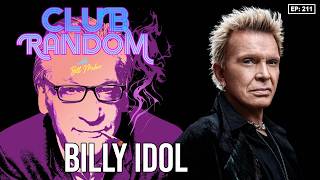
 1h 25m⏭ 3
 1h 13m
 4h 7m
4h 7m 1h 2m
1h 2m 1h 27m
 1h 28m⏭ 6
 1h 53m⏭ 5
 1h 23m⏭ 2
 2h 53m
 55m
55m 1h 54m⏭ 2
 2h 2m⏭ 4
 1h 0m⏭ 1
 33m
33m 3h 59m⏭ 5
 3h 54m⏭ 7
 46m
46m 54m⏭ 1
 1h 13m
 54m⏭ 2
 9h 11m
 1h 26m
 6h 26m
 58m⏭ 5