About this episodeSalman Rushdie reflects on his nine-year period of hiding following the 1989 fatwa, highlighting the crucial r…AI summary
Salman Rushdie reflects on his nine-year period of hiding following the 1989 fatwa, highlighting the crucial role of the publishing industry and friends in protecting free speech. He discusses the chilling effect on global literature, the solidarity of his support network, and his decision to settle in the US, while warning about the resurgence of religious fundamentalism in Western politics.
Key takeaways 5
The fatwa was not just an attack on Rushdie but a broader assault on writers and intellectuals across the Muslim world using language of heresy and apostasy.
The publishing industry, particularly booksellers, showed extraordinary courage by continuing to sell 'The Satanic Verses' despite threats, which Rushdie identifies as the true front line of free speech defense.
Rushdie chose the pseudonym 'Joseph Anton' (combining Joseph Conrad and Anton Chekhov) for security reasons, but also because Conrad's quote 'I must live till I die' served as a personal motto during his hiding.
The 9/11 attacks shifted Western perception, allowing people to finally understand the fear and isolation Rushdie experienced during his nine years in hiding.
Religious fundamentalism is resurging globally, including in India (militant Hinduism) and the US (Christian Right), threatening the Enlightenment values of free expression that underpin American democracy.
Notable quotes 4AI-generated: wording and quote attribution may be wrong. Use the play link to verify.
“I wasn't the front line. That was the front line [booksellers/publishers].”
▶ 13:38Rushdie emphasizing that the courage of the book trade was more critical to defending free speech than his own survival.
“I must live till I die.”
▶ 19:51A line from Joseph Conrad's 'The Secret Agent' that Rushdie adopted as a motto for enduring his forced hiding.
“Now we find ourselves having... a battle for free expression... it's as important to fight it now as it was 200 years ago.”
▶ 50:49Rushdie's conclusion regarding the ongoing threat of religious fundamentalism to secular, free societies.
“You know, if you look at the narrow story... we didn't do so badly... but if you look at the kind of wider issue... there's no question that there was a chilling effect.”
▶ 19:38Rushdie's assessment that while he survived, the fear generated by the fatwa made it harder for others to publish controversial works.
Chapters & Sections (40)▼
0:04Salman Rushdie's Life and Literary Careerchapter3
0:04Author Salman Rushdie's Life and Literary Career
1:37Author's Experiences with Fatwa and Public Visibility
3:37Persecution of Writers and Intellectuals in Islamic Countries
5:08Understanding the Concept of a Fatwachapter2
5:08Understanding the Concept of a Fatwa
7:16Bizarre Fatwas Issued by Iranian Theological Center
9:21Violence and Threats Against Publishers and Translatorschapter2
9:21Violence and Threats Against Publishers and Translators
11:46Chilling Effect of Fear on Free Speech
13:55International Diplomatic Crisis and Its Aftermathchapter2
13:55International Diplomatic Crisis and Its Aftermath
16:26Gun Safety and Accurate Weapon Handling
18:12Choosing a Pseudonym for Personal Reasonschapter3
18:12Choosing a Pseudonym for Personal Reasons
19:38Living Life to the Fullest and Identity
20:56Author's Inspiration and Writing Process
22:13Life in Government Protective Custodychapter2
22:13Life in Government Safe Houses and Hiding
23:58Police Humor and Security Details
26:27Coping with Threats and Showing Solidaritychapter3
26:27Coping with Threats and Support from Friends
28:20Maintaining Confidentiality in a Gossipy Environment
29:38Building Unlikely Friendships in Times of Crisis
31:28Literary World Solidarity and Betrayalchapter3
31:28Author's Experience with Literary World Solidarity
32:55Public Feuds and Their Consequences
34:08Courage of Writers in the Face of Tyranny
35:45Coping with Traumatic Family Experiences as a Childchapter2
35:45Coping with Traumatic Childhood Experiences
38:00Reclaiming Personal Freedom After a Long Ordeal
39:48Celebrity and Public Recognition in Modern Societychapter2
39:48Celebrity and Public Recognition in Modern Society
42:28Experiencing 9/11 During Book Tour
44:05Literary Tradition in Modern Muslim Worldchapter5
44:05Finding Refuge in a Writer's House During Crisis
45:24Censorship and Creative Expression in the Arab World
47:11Rise of Religious Extremism Worldwide
48:39Religion's Influence on Politics in Modern Society
50:00The Church's Role in Limiting Free Expression
 1h 23m
 1h 9m
1h 9m 23m
23m 1h 9m
1h 9m 1h 7m
1h 7m 1h 16m
 1h 10m
 1h 2m
1h 2m 1h 28m
 1h 1m
1h 1m 1h 14m
 1h 30m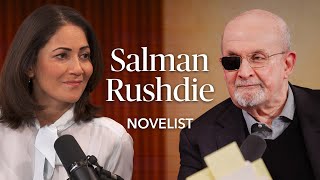

 2h 52m
 56m
56m 1h 31m
 1h 23m
 1h 36m
 5h 9m⏭ 4
 2h 2m
2h 2m 2h 33m
 3h 18m⏭ 2
 55m⏭ 4
 2h 14m⏭ 1
 1h 9m⏭ 1
 1h 0m⏭ 1
 33m
33m 3h 59m⏭ 5
 54m⏭ 1
 3h 54m⏭ 7
 46m
46m 54m⏭ 2
 9h 11m
 1h 26m
 1h 13m
 6h 26m
 1h 16m⏭ 2