About this episodeDevour discusses his journey from a platinum-selling artist to serving a two-year prison sentence for voluntar…AI summary
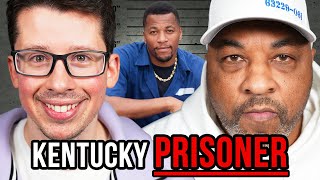
Devour discusses his journey from a platinum-selling artist to serving a two-year prison sentence for voluntary manslaughter, detailing the betrayal by a former business partner and the legal battles that followed. He reflects on the importance of loyalty, the challenges of navigating parole restrictions as a rapper, and his strategic approach to rebuilding his career without signing a traditional label deal.
Key takeaways 6
Devour was involved in a fatal altercation with a former close friend and business partner who attempted to rob him of his chain at a public event; he claims self-defense and was ultimately convicted of voluntary manslaughter.
He served two years in California City (a high-security prison) and notes that maintaining respect and 'playing ball' correctly in prison helped him avoid significant incidents despite the harsh environment.
Parole restrictions can be strategically used against artists; Devour received only five restrictions but one specifically prohibited speaking negatively, which conflicts with typical rap themes, highlighting the difficulty of maintaining artistic authenticity while on parole.
The music industry's label negotiation process often involves major labels competing aggressively once an artist shows traction, but these deals are frequently structured as 'slave deals' for new artists lacking leverage.
Devour believes the current hip-hop landscape is 'dry' and lacks the organic passion of past eras, citing AI-generated music (like Phoenix Flex) as a symptom of this creative stagnation.
He emphasizes that true loyalty is rare in 2026, redefining 'day one' not by duration of friendship but by consistent support from the moment they met.
Notable quotes 5AI-generated: wording and quote attribution may be wrong. Use the play link to verify.
“Most people are not equipped to have good things happen to them in life. If you give most people a million dollars, they're going to lose a million dollars.”
▶ 13:02Reflecting on why his former business partner failed to manage merchandise revenue responsibly after Devour gave him the opportunity.
“In 2026, it's okay to be fake. That's the new definition of loyalty. It's not loyalty no more. It's being a snake.”
▶ 52:32Discussing the erosion of trust and loyalty among friends and associates in his life.
“I wasn't hiding, bro. I was still going to the market, still doing [__] bro. Like because my lawyer told me the only way... if you didn't stay at the scene, then that's not going to help you in court... just pretty much just wait till they catch you.”
▶ 20:58Explaining his strategy during the three weeks he was on the run before turning himself in for the murder charge.
“Draco is everything. That's the god of the last like 10 years at LA in my book. Everything that isn't influenced by him is whack old school [__].”
Describing Drakeo the Ruler's massive influence on the Los Angeles rap scene.
“If you're planning on killing somebody next week, do not tell them that. But if you did some [__] back in the day, you're good. Like they can't... they're not supposed to.”
▶ 49:23Explaining therapist confidentiality rules regarding past crimes versus imminent threats.
Chapters & Sections (42)▼
0:00Musical Influences and Prison Timechapter2
1:53Prison Impact on Musical Style
3:22Major Record Label Negotiations
5:27Label Negotiations and Murder Charge Reflectionschapter1
7:44Personal Impact of Killing and Gang Visibility Risks
10:31Friendship Betrayal and Business Trustchapter1
13:07Friendship vs Business Relationships
15:22Chain Snatching Incident and Self-Defensechapter1
17:16Chain Snatching and Self-Defense Details
20:14Legal Battle and Prison Time After Shootingchapter2
22:39DA Settlement Attempts and Legal Costs
24:09Impact of Surveillance Cameras on Crime
25:35Music Release Risks and Prison Experiencechapter2
26:52Public Reaction to Legal Charges and Street Safety
28:20Voluntary Manslaughter Prison Term
30:20Prison Life, Fights, and Musicchapter1
32:22Hand Injuries and Music's Role
35:13Prison Release and Parole Restrictionschapter2
36:52Parole Restrictions and Rap Content
38:41Navigating Parole Officer Relationships
42:02Influence of Peers and Therapy Discussionchapter3
44:26Vulnerability and Therapy Barriers
46:06Therapy Benefits Over Friends
47:37Therapy Confidentiality and Past Crimes
49:23Loyalty, Fan Support, and Changing Friendshipschapter1
52:55Evolution of Day One Friendships
55:33Music Critique and LA Rap Evolutionchapter2
57:18Critique of Rapper Originality and Sound
58:54Drake's Impact on LA Rap
1:01:11Hip-Hop Culture, AI Music, and Autotune Evolutionchapter1
1:02:46AI Music Reception and Autotune History
1:06:52AI Music, Privacy Violations, and Therapychapter1
1:09:11AI Utility and Safety Mechanisms
1:12:16Lush Disses Hood Hopper Claim, Music Strategychapter1
1:15:02Music Momentum and Team Building
1:16:45Desired Collaborations, Relationship Reflections, and New Musicchapter2
1:18:42Promoting New Project Prevail and Future Plans
1:19:54Stigma of Cop Talk and Flockco
1:21:25Regional Hip Hop Crossover Challengeschapter1
1:24:07LA Gang Culture Crossover Challenges
1:26:17Music Recommendations and Drake Kendrick Dramachapter1
 2h 6m
2h 6m 1h 25m
 1h 2m
1h 2m 1h 6m
1h 6m 1h 36m
 3h 57m⏭ 3
 1h 37m
 3h 40m⏭ 3
 2h 19m⏭ 1
 2h 21m
 1h 45m
 1h 33m
 1h 49m⏭ 2
 2h 20m⏭ 1
 20h 40m⏭ 10
 1h 8m
1h 8m 2h 15m
 1h 10m
 2h 0m
2h 0m 3h 12m
 41m⏭ 1
 1h 30m
 1h 27m
 1h 49m⏭ 2
 1h 0m⏭ 1
 33m
33m 3h 59m⏭ 5
 3h 54m⏭ 7
 54m⏭ 1
 46m
46m 1h 26m
 1h 13m
 54m⏭ 2
 9h 11m
 6h 26m
 1h 16m⏭ 2