About this episodeCharleston White analyzes Lil Durk's federal arrest for murder-for-hire, arguing that the FBI's wiretap eviden…AI summary
Charleston White analyzes Lil Durk's federal arrest for murder-for-hire, arguing that the FBI's wiretap evidence and Durk's attempt to flee the country make conviction inevitable. He critiques the hip-hop industry and fans for idolizing violent rappers while shaming law-abiding activists, asserting that the arrest is a victory for victims' families and a blow to the 'drill music' culture that glorifies gang violence.
Key takeaways 5
Durk's 'peace' narrative was a strategic move to avoid federal prosecution, evidenced by his booking of flights to Italy and Switzerland immediately before his arrest.
The FBI operates with three shifts and extensive wiretap capabilities, making it nearly impossible for high-profile figures to beat murder-for-hire charges.
Hip-hop labels and fans are complicit in violence by commercializing gang members (like King Von) while ostracizing those who report crimes or advocate for peace.
Young rappers often commit violence due to undeveloped prefrontal cortices and childhood trauma; they lack the rational thought process to understand long-term consequences until they are older.
Chicago's political history involves corruption where officials favored certain gangs (BDs) over others (GDs), allowing figures like Durk to operate with impunity for years.
Notable quotes 4AI-generated: wording and quote attribution may be wrong. Use the play link to verify.
“People who get away with wake up every day and think about it, homie. People who have gotten away with murder, if it's 20 years ago, 30 years ago, in the back of their mind, they can never sleep at peace. They can never be at ease because has no statute of limitations.”
▶ 3:55White explains the psychological burden on those who have committed murder and evaded justice, contrasting it with the shock felt by those suddenly caught.
“The feds don't want money. They either want information or your ass. It's the only way to bargain with the feds. Information or your ass.”
▶ 28:04White predicts that Lil Durk's only path to a reduced sentence is to cooperate with federal prosecutors by providing information on other crimes.
“I killed drill rap. I brought out the black consciousness. I killed that [__] King Von death didn't kill it. I killed that [__].”
▶ 1:01:13White claims credit for shifting public perception against gang violence and drill music by being the first prominent figure to openly criticize gangs and snitching.
“Most of them are bots. So people really believe that this guy who has about 30 $40 million in the bank... have the kind of influence to troll him to make him want to retaliate.”
▶ 6:03White dismisses the narrative that online trolls caused Lil Durk's actions, arguing that most comment section activity is AI-driven and that Durk acted on personal grief and desire for revenge.
Chapters & Sections (43)▼
0:07Lil Durk Arrest and Street Accountabilitychapter3
3:55Psychological Debt of Taking a Life
5:29Trolls Are AI Bots, Not Real Influence
7:11Lil Durk's Regret and Shock
8:52Hypocrisy in Hip Hop Culture and Police Immunitychapter2
11:09Emotional Reactivity and Cultural Hypocrisy
12:36Rapper Idolization vs Activist Discredit
14:42Chicago Corruption and Drill Music Justicechapter1
16:45Chicago Corruption and Drill Music Impact
19:32Money, Youth, and Violence in Hip Hopchapter2
22:16Money's Role in Hip Hop Beef
23:43Group Size and Police Informants
25:32Street Code Betrayal and Federal Prosecutionchapter2
27:23Federal Prosecution Strategy and Testimony
28:55Leaving the Streets and Betrayal
30:51Critique of Chief Keef's Peace Movement and Relationshipschapter4
34:01Chief Keef's Authenticity and Past
35:25King Yella vs Chief Keef Peace Advocacy
37:48Healing Through Mothers' Pain
39:23Emotional Impact of Victims' Families
40:58Consequences, Character, and Community Advocacychapter2
43:25Creator's Shift from Advocacy to Monetization
45:38Chief Keef's Redemption and Intellectual Critique
48:40Blame for Gang Violence and Industry Exploitationchapter3
50:13Labels Blamed for Gang Violence Commercialization
51:56King Vaughn's Impact on Street Violence
53:46Witness Deaths and Blame for King Von
56:02Chief Keef's Trauma Therapy and Drill Rap's Endchapter2
58:01King Von's Death and Quando Rondo's Talent
59:54Savannah Spirit and Drill Rap's End
1:01:28Street Code, Snitching, and Gang Honorchapter1
1:04:39Street Code, Snitching, and Hospital Shooting
1:07:05Debunking False Shooting Rumors and Internet Misinformationchapter1
1:10:00Perception of Violence and Retribution
1:12:11Fake Death Hoax and Election Viewschapter2
1:14:12AI Deception and Fake Police Scanners
1:15:36Boycott Election and Trump Landslide Prediction
1:18:11Reconciliation and Prison as Rehabilitationchapter1
1:21:06Prison as Rehabilitation for Violent Youth
1:23:41Personal Philosophy, Legal Charges, and Young Thug Casechapter3
 1h 28m
 1h 49m
 1h 26m
 1h 27m
 1h 30m
 1h 4m
1h 4m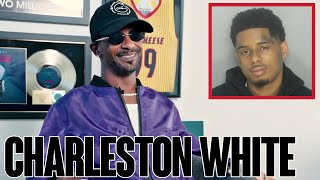 1h 47m
 1h 14m
 1h 5m
1h 5m 1h 13m⏭ 1
 19m
19m 36m
36m 2h 6m
2h 6m 3h 8m⏭ 3
 21m
21m 26m⏭ 3
 3h 6m⏭ 1
 2h 36m⏭ 1
 2h 21m
 1h 51m
 1h 7m
1h 7m 43m
43m 47m
47m 46m
46m 1h 43m⏭ 4
 11h 54m
 1h 0m⏭ 1
 11h 54m⏭ 8
 33m
33m 6h 26m
 3h 54m⏭ 7
 9h 11m
 3h 59m⏭ 5
 46m
46m 54m⏭ 1
 54m⏭ 2