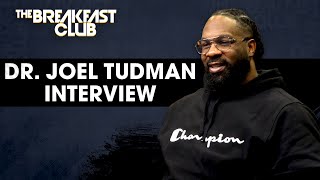
About this episodeEric Roberts discusses his memoir, revealing that writing it was a therapeutic process of honesty and kindness…AI summary
Eric Roberts discusses his memoir, revealing that writing it was a therapeutic process of honesty and kindness rather than a vehicle for blame. He contrasts the current entertainment industry's reliance on quantity and influencers with the past era of expert-driven filmmaking, while sharing personal insights on overcoming childhood trauma through imaginary friends and learning social skills from his wife.
Key takeaways 5
The memoir industry follows a predictable formula of 'hard childhood, abuse, recovery, and stardom,' which Roberts initially resisted but ultimately embraced by focusing on raw honesty rather than dramatic embellishment.
Roberts attributes his survival of a difficult childhood to 'imaginary friends' who acted as his unconscious mind, allowing him to process trauma and develop the 'no filter' rawness that defines his acting style.
The entertainment industry has shifted from a meritocracy of experts (where actors were part of a prestigious team of specialists) to a model driven by quantity, instant gratification, and influencers, resulting in lower artistic quality.
Roberts learned social interaction and kindness from his wife, who 'reparented' him by teaching him active listening and how to treat others with interest, a lesson that helped him navigate fame and relationships.
Pain begets pain; individuals from traumatic backgrounds often return to familiar patterns ('the drive home') unless they consciously confront their behavior and commit to making others feel safe around them.
Notable quotes 5AI-generated: wording and quote attribution may be wrong. Use the play link to verify.
“The only other thing besides honesty is kindness... if you can always adhere to those two things you're going to go to bed happy every night.”
Roberts explains the core philosophy he adopted in his relationships and work after realizing the importance of treating others well.
“You married an actor, you cannot expect him to grow up to be a human being.”
▶ 26:07A quote from Roberts' mother-in-law explaining his lack of social filter and emotional maturity, which Roberts found hilarious and accurate.
“It's gone from only experts were allowed to be in the industry... now they flip a switch they have autofocus they hire kids who don't know anything about movies.”
▶ 16:06Roberts critiques the modern film industry's shift away from specialized expertise toward quantity and influencer-driven casting.
“I had imaginary friends who got me through everything... they are my unconscious mind taking care of me.”
Roberts describes the psychological coping mechanism that helped him survive his difficult childhood and shaped his artistic perspective.
“Pain begets pain... we're all in this drive home we all want to end up back to where we came from because that's what we know best.”
Roberts explains why people with traumatic backgrounds often repeat negative patterns unless they actively work to change them.
Chapters & Sections (47)▼
0:00Deciding to Write a Memoirchapter3
0:00Deciding to Write a Memoir
2:32Collaborative Writing Process in Autobiography Creation
3:59Reevaluating Perceptions of Good and Bad People
5:34Recovery from Difficult or Abusive Childhoodchapter2
5:34Recovering from Difficult or Abusive Childhood
7:15Childhood Trauma and Genius Development
10:04Importance of Honesty and Kindness in Relationshipschapter3
10:04Importance of Honesty and Kindness in Relationships
11:51Learning Social Skills and Building Confidence
13:21Social Cues and Active Listening Techniques
14:45The Changing Nature of the Entertainment Industrychapter4
14:45Changing Expectations in the Entertainment Industry
17:23The Decline of Quality in Modern Entertainment
18:52Challenges of Modern Acting in the Industry
20:10Compromise in the Entertainment Industry
23:23The Challenges of Writing a Personal Memoirchapter2
23:23The Challenges of Writing a Personal Memoir
25:27Family Influences and Personal Humor Development
28:11Correcting Errors in Written and Audio Contentchapter2
28:11Book Corrections and Accuracy in Writing
30:05The Nature of Law and Personal Freedom
32:44Confronting Past Mistakes and Personal Growthchapter3
32:44Confronting Past Mistakes and Personal Disappointment
34:31Challenges of Working in an Intimate Production Environment
35:46The Connection Between Pain and Unhappiness in Professions
37:21The Importance of Self-Kindness in Personal Growthchapter2
37:21Overcoming Personal Growth through Self-Reflection and Practice
38:57Challenges in Long-Term Relationships and Marriage
41:53Importance of Family Relationships and Statuschapter3
41:53Importance of Family Relationships and Consistency
44:20Cautionary Tales of Substance Abuse Effects
45:41Importance of Feeling Safe in Relationships
47:38Challenges of Fame and Public Perceptionchapter3
47:38Challenges of Writing for TV and Film
49:25Challenges of Maintaining Personal Identity under Fame
50:44Improvisation Techniques in Film Acting
52:36Changes in the Film Industry Over Timechapter3
52:36Changes in the Film Industry Over Time
54:57The Role and Perception of Talent Agents
56:12Celebrity Film Records and Career Reflections
58:04Making of a Film: Challenges and Experienceschapter2
58:04Making of a Film: Challenges and Experiences
1:00:18Acting Techniques for Portraying Complex Characters
1:02:39Decline of Hollywood's Golden Age Actresseschapter2
1:02:39Decline of Hollywood's Golden Age of Acting
1:06:21Actor's Method Acting Techniques and Preparation
 1h 23m
 1h 7m
1h 7m 1h 9m
1h 9m 23m
23m 1h 9m
1h 9m 1h 16m
 1h 28m
 1h 10m
 1h 2m
1h 2m 1h 1m
1h 1m 1h 14m
 52m
52m
 1h 6m⏭ 1
 20h 40m⏭ 10
 1h 36m⏭ 1
 1h 41m⏭ 2
 2h 4m⏭ 2
 2h 47m
 2h 48m⏭ 3
 1h 25m⏭ 1
 1h 4m⏭ 2
 56m
56m 3h 1m⏭ 1
 2h 49m⏭ 3
 11h 54m⏭ 8
 1h 0m⏭ 1
 11h 54m
 33m
33m 6h 26m
 9h 11m
 3h 54m⏭ 7
 46m
46m 3h 59m⏭ 5
 54m⏭ 1
 54m⏭ 2
 1h 16m⏭ 2