About this episodeJerry Seinfeld shares his disciplined approach to comedy writing, emphasizing the importance of solitary focus…AI summary
Jerry Seinfeld shares his disciplined approach to comedy writing, emphasizing the importance of solitary focus and testing material in low-stakes environments. He discusses his 54-year meditation practice as a tool for emotional control and performance energy, while also reflecting on his social anxiety, career failures, and the value of surrounding himself with positive influences.
Key takeaways 6
Writing Process: Seinfeld teaches his daughter to sit in a room with no distractions (no phone, no music) and focus solely on the problem at hand, allowing the brain to work without external stimuli.
Testing Material: He tests new bits during casual dinner conversations with friends before taking them to the stage, using the natural reaction of acquaintances as a gauge for potential success.
Meditation Impact: After 54 years of Transcendental Meditation, Seinfeld notes that skipping practice leads to impatience and being 'on edge,' while doing it before a show makes him feel 'locked in' and mentally sharp.
Comedy as Sport: He analogizes stand-up to sports rather than other arts because the result is immediate and objective; the audience's reaction provides instant feedback on performance, similar to a game score.
Social Anxiety as Asset: Seinfeld reframes his social discomfort not as a defect but as an 'alternate construction of the brain' that allows him to observe life from a unique perspective, fueling his comedy.
Marcus Aurelius Philosophy: He applies Stoic principles by focusing only on what he can control (his performance) and ignoring variables he cannot (ticket sales, sound issues), viewing worry about uncontrollables as a waste of energy.
Notable quotes 5AI-generated: wording and quote attribution may be wrong. Use the play link to verify.
“You don't have to write but you can't do anything else. That's a writing session.”
▶ 4:13Seinfeld explains the simple but effective technique he taught his daughter for overcoming writer's block by removing all distractions.
“I feel like the machine was on... I felt like I was locked in.”
▶ 23:24Describing the immediate effect of doing meditation right before going on stage, contrasting it with nights where he feels the 'machine isn't running as fast as it should be.'
“Everything gets better when you do your job well.”
▶ 42:32A core life lesson Seinfeld learned from watching Jay Leno's dedication and work ethic, connecting it back to Marcus Aurelius' philosophy.
“If you can't control it, don't think... don't bother thinking about it. You're taking energy your brain away from things you can control.”
▶ 34:39Seinfeld applying Stoic philosophy to his career, specifically regarding things like ticket sales or sound issues that are outside his control.
“I have the first check I ever got for comedy. 15 bucks from the comedy store... I just thought this is the first time anybody's ever paid me for doing this and I think I should save it.”
▶ 48:49Seinfeld revealing he still keeps his first $15 comedy paycheck in a cigar box, highlighting his appreciation for the origins of his career.
Chapters & Sections (30)▼
0:00Comedy Writing Process and Dog Ownershipchapter4
2:02Testing Comedy Bits at Dinner
3:25Structured Writing Sessions and Problem Solving
4:59Dog Training and Car Rides
6:06Hosting Preferences and Neighborhood Safety
7:42Social Anxiety and Comedian Socializingchapter3
9:28Coping with Social Events and Wine
10:33Comedian Hosting and Couples Dinners
11:46Direct Conversation and Comedian Bonding
14:28Social Life and Acting Career Failureschapter3
15:56Podcast Preparation and Career Success
16:54Benson firing and writing material
18:24Comedy Career Evolution and Seinfeld Workload
20:26Meditation Impact on Comedic Performancechapter1
22:17Meditation and On-Stage Analysis
24:55Comedy as Sport and Performance Strategychapter2
26:49Comedian Opener Strategy and Timing
28:24Comedian's Advice on Verbatim Performance
29:43Comedy Career Joy and Corporate Gigschapter
34:30Marcus Aurelius Philosophy and Social Etiquettechapter1
36:36Observing Social Etiquette and Bill Payment
38:29Hospitality, Comedy Career, and Work Ethicchapter2
40:03Normal Upbringing and Avoiding Drug Abuse
41:24Learning Work Ethic From Jay Leno
43:05Johnny Carson Interactions and American Express Black Card Originchapter1
45:13Jerry Lewis Telethon Jokes and Black Card Pitch
47:51Comedy Memorabilia and Seinfeld Legacychapter3
 1h 10m
 59m
59m 50m
50m 44m
44m 1h 4m
1h 4m 1h 6m
1h 6m 49m⏭ 1
 59m⏭ 1
 1h 1m
1h 1m 50m
50m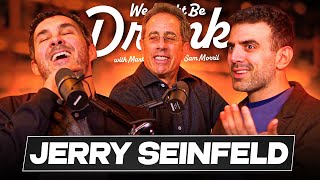 1h 45m⏭ 1
 1h 20m⏭ 1
 1h 3m⏭ 2
 1h 8m
1h 8m 1h 34m
 4h 10m⏭ 2
 1h 23m⏭ 1
 3h 48m
 2h 10m⏭ 1
 2h 1m⏭ 2
 2h 2m⏭ 1
 1h 31m
 41m⏭ 2
 49m⏭ 1
 1h 18m⏭ 1
 1h 58m
 3h 59m⏭ 7
 11h 23m⏭ 1
 33m
33m 3h 54m⏭ 7
 1h 0m⏭ 1
 46m
46m 48m⏭ 2
 1h 16m
 3h 59m⏭ 5
 1h 13m
 25m
25m 25m
25m 45m⏭ 2