About this episodeJohn Leguizamo discusses his journey from a disruptive student in 1970s New York to a pioneering actor and pla…AI summary
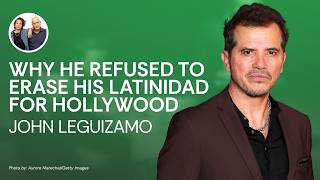
John Leguizamo discusses his journey from a disruptive student in 1970s New York to a pioneering actor and playwright who rejects Hollywood stereotypes by creating independent theater work centered on Latin voices. He emphasizes the critical importance of representation in children's literature, highlighting that Latin children make up 30% of public school students yet appear in less than 5% of picture books, and shares how his new book 'Kiki and the Can' aims to correct this erasure. Leguizamo also redefines masculinity, arguing that vulnerability and the courage to apologize require more strength than traditional toughness, a theme he explored in his role in Christopher Nolan's 'The Odyssey'.
Key takeaways 5
Hollywood's systemic exclusion of Latin talent is described as 'Juan Crow,' where actors are offered only stereotypical roles (drug dealers, murderers) every few months, forcing Leguizamo to create his own material in independent theater to achieve authentic representation.
The lack of representation in children's media has a lasting psychological impact; Leguizamo notes that not seeing oneself reflected creates a 'scar' that individuals spend their lives trying to undo through positive affirmations and projecting their own culture onto white protagonists.
Leguizamo's ADHD and impulsive decision-making style, often seen as a liability, became a professional superpower in acting by allowing him to trust his first impulses and avoid 'corny' or status quo choices.
True masculinity is redefined not by anger or toughness, but by the courage to walk away from fights and apologize, which Leguizamo argues takes significantly more bravery than physical aggression.
Latin people comprise 20% of the US population and 30% of box office revenue, yet hold only 6% of lead roles and less than 1% of director or executive positions, highlighting a massive disparity in industry power.
Notable quotes 5AI-generated: wording and quote attribution may be wrong. Use the play link to verify.
“If we can make penicillin out of moldy bread, we can do something with you. Please use your comedy for good. Why don't you become a comedian?”
▶ 0:06A math teacher who recognized Leguizamo's disruptive energy and redirected it toward a creative career.
“It was Jim Crow or for Latin people Juan Crow... white lead, white romantic lead, white doctor, white lawyer... and then eventually every five months it'd be like Latin drug dealer, Latin murderer.”
Leguizamo describing the limited and stereotypical roles available to Latin actors in Hollywood during the 1980s.
“You have to spend the rest of your life with this scar because you don't see yourself represented. You don't feel like you have a voice. You don't feel validated.”
▶ 22:21Explaining the psychological impact on children who do not see themselves reflected in media.
“To be able to walk away from a fight, to be able to say you're sorry takes a lot more courage than it is to knock somebody out.”
▶ 0:21Leguizamo's reflection on vulnerability and redefining strength in masculinity.
“Eugene O'Neal's Long Day Journey Into Night is a holy book... I felt like telling a personal story was valuable, had medicinal properties, healing properties.”
▶ 44:15Identifying the specific book that inspired Leguizamo to write his own personal stories.
Chapters & Sections (23)▼
0:00Childhood imagination and parental education valueschapter5
1:44Childhood boredom and neighborhood games
2:57New York childhood and reading values
4:17Troubled youth and parental intervention
6:35Teacher mentorship and family role reversal
8:28Navigating Hollywood Rejection as a Latin Actor
10:46Rejecting Hollywood Stereotypes for Independent Theaterchapter2
12:24Overcoming Hollywood Stereotypes Through Independent Theater
14:10Validation from Theater Idols
16:15The Odyssey and Latin Children's Literaturechapter2
18:13Director's Intimate Filming Style
19:39Creating Kiki and the Can
21:45Latin Representation and Decision Makingchapter1
24:37Impulse Decision Making and Hollywood Stereotypes
30:29Acting Vulnerability and Redefining Masculinitychapter2
32:33Catharsis in Acting and Emotional Release
33:54Anger as Easier Male Emotion
36:13Moral Compass, Legacy, and Spiritual Creativitychapter2
37:53Spouse as Moral Compass and Grounding Force
39:05Legacy, Memory, and Spiritual Creativity
41:27Death, Playwriting Legacy, and Childhood Memorieschapter2
 48m
48m 50m⏭ 1
 1h 0m⏭ 2
 48m⏭ 2
 42m
42m 48m
48m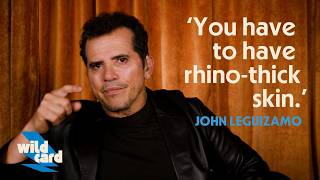 48m
48m 36m
36m 50m
50m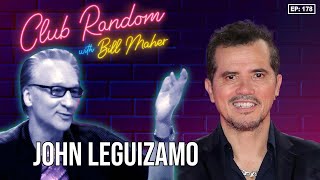
 1h 20m
 2h 35m⏭ 2
 1h 0m
1h 0m 32m
32m 40m
40m 1h 10m
 4h 5m⏭ 4
 2h 20m
 2h 10m
 1h 10m
 2h 30m⏭ 3
 2h 3m⏭ 1
 11h 23m⏭ 1
 33m
33m 1h 0m⏭ 1
 46m
46m 48m⏭ 2
 3h 54m⏭ 7
 3h 59m⏭ 5
 1h 13m
 38m
38m 54m⏭ 2
 10h 34m
 25m
25m