About this episodeTrap Dicky discusses the unique social dynamics of rural South Carolina, where small populations and mutual re…AI summary
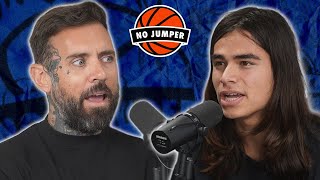
Trap Dicky discusses the unique social dynamics of rural South Carolina, where small populations and mutual respect prevent the escalation of street violence seen in larger cities. He details his transition from street life to music, inspired by his incarcerated brother, and shares insights on navigating the music industry with professionalism and strategic reinvestment.
Key takeaways 5
Rural South Carolina culture is defined by 'mutual respect' due to small populations; violence is limited because perpetrators cannot hide from victims' families or the entire community, unlike in large cities like LA or NY.
Trap Dicky entered the rap industry out of competitive motivation to prove himself against his talented but undisciplined younger brother, who later went to federal prison for firearm charges.
Being shot in the face and surviving became a key part of his brand identity, making him more recognizable and distinguishing him from rappers who fabricate street credibility.
The Carolina music scene is tightly knit, centered around engineer 'IMX Nation,' who connects artists like Trap Dicky, Yung Bans, and Reni Ri, fostering a collaborative rather than purely competitive environment.
Successful artists should reinvest earnings into high-quality features and promotion (like 'On The Radar') rather than just spending on lifestyle, as this builds long-term career momentum and label interest.
Notable quotes 3AI-generated: wording and quote attribution may be wrong. Use the play link to verify.
“In a city okay like Prim example California wherever you go shop at at Walmart or groceries it's probably five of those stores in the same area where we from is one Walmart in that area... it's a respect thing like when y'all hear the horn blow up here y'all probably know it's regular thing when we hear the horn blow is oh who blowing the horn what's going on”
▶ 1:54Explaining how geographic density in South Carolina enforces social codes and limits random violence compared to coastal cities.
“I looked at it as if all these guys can spit discreet stuff and probably never been through it... I know I can do this I know I can rap what I've been through and what my people's going through and get it to the street guys like cuz we actually really lived it”
▶ 45:06Trap Dicky explaining his authentic approach to rap music, contrasting himself with artists who lack real-life experience.
“You got to think about I done had people I come sit down and talk to them they looking like damn [ __ ] well I'm going send you over here to these folks like damn I thought you could help n you got it everything together you might need to go over here”
▶ 51:40Advice on how having a large catalog of unreleased music impresses record labels and changes their perception of an artist's professionalism.
 2h 6m
2h 6m 1h 25m
 1h 2m
1h 2m 1h 6m
1h 6m 1h 36m
 3h 57m⏭ 3
 1h 37m
 3h 40m⏭ 3
 1h 45m
 2h 19m⏭ 1
 2h 21m
 2h 11m
 3h 41m
 29m
29m 2h 11m⏭ 1
 29m
29m 20m⏭ 1
 1h 19m
 2h 30m⏭ 1
 1h 32m
 1h 42m
 1h 49m⏭ 2
 1h 7m
1h 7m 1h 6m
1h 6m 1h 43m⏭ 4
 11h 54m
 1h 0m⏭ 1
 11h 54m⏭ 8
 6h 26m
 33m
33m 3h 54m⏭ 7
 3h 59m⏭ 5
 9h 11m
 46m
46m 54m⏭ 1
 7h 50m