About this episodeShawn Levy discusses the intense pressure and creative freedom of directing a new Star Wars film, emphasizing …AI summary
Shawn Levy discusses the intense pressure and creative freedom of directing a new Star Wars film, emphasizing the importance of embracing unplanned moments and collaborating deeply with actors. He reflects on his career trajectory from family comedies to genre-defining hits like Stranger Things and Deadpool & Wolverine, highlighting how early challenges taught him rigorous preparation and audience-centric storytelling.
Key takeaways 5
Preparation enables spontaneity: Levy argues that rigorous preparation allows directors to be 'loose' on set, making them open to happy accidents and surprises that often define the best moments in a film.
Audience collaboration in PG-13 filmmaking: Unlike R-rated films where everything can be shown, PG-13 films require the audience to collaborate by filling in gaps, allowing filmmakers to imply intensity without showing explicit content.
Actor alignment over directorial ego: Great actors are creative partners who require ideas that align with their specific performance superpowers; directors must tailor suggestions to the performer rather than imposing a generic vision.
Emotional resonance in scoring: Composers like Danny Elfman and Alan Silvestri teach that themes must be planted early in the narrative to earn emotional payoff in the climax, creating a relationship between the viewer and the music.
Legacy of wish fulfillment: Levy connects his personal childhood experiences with his filmmaking philosophy, noting that his movies often provide the joy and connection he felt was missing in his own youth.
Notable quotes 5AI-generated: wording and quote attribution may be wrong. Use the play link to verify.
“The job is leadership. And if you lose that actor and if you lose that crew, they're lost. And it is no longer the kind of leadership.”
▶ 26:58Levy describes a moment during Night at the Museum when Ben Stiller questioned a prop's logic, forcing Levy to improvise a solution and realize the importance of being prepared to think on his feet.
“You need the idea to match the performer. You need to align the tone of the idea with the tone that is the superpower of the performer.”
▶ 29:20Steve Martin's advice to Levy on set of The Pink Panther, emphasizing that directors must tailor their direction to the specific strengths of the actor they are working with.
“Sometimes you give the people exactly what they [ __ ] want. This is the business we are in.”
▶ 36:41Alan Silvestri's advice to Levy during the scoring of Night at the Museum 2, encouraging him not to overthink populist emotions and to trust that big, heartfelt moments resonate with global audiences.
“I make movies for audience and so I'm always part of me is always sitting there in that theater with them.”
▶ 38:34Levy explains his approach to filmmaking, contrasting it with directors who make films solely for personal expression, highlighting his focus on audience experience and collaboration.
“We didn't set out to launch a franchise. We just set out to make something great and I feel like this franchise has been our reward for doing this for the right reasons.”
▶ 43:24Reflecting on the success of Stranger Things, Levy emphasizes that authentic creative passion, rather than strategic calculation, led to the show's cultural impact.
Chapters & Sections (32)▼
0:00The Rise of Film Nerd Culture and Educationchapter3
0:00The Rise of Film Nerd Culture and Appreciation
1:40The Art of Film Storytelling and Cinematography
3:10Favorite Star Wars Movie and Trilogy Themes
5:00Crafting Nostalgic Storytelling in Sequelschapter2
5:00Crafting Sequels and Legacy Storytelling Techniques
7:04The Importance of Spontaneity in Filmmaking
10:16Directing a Star Wars Film: Unique Pressurechapter2
10:16Directing a Star Wars Film: Unique Pressure
12:30Development of Star Wars Film Project
14:34Film Scoring and Collaboration Processchapter2
14:34Film Scoring and Collaboration Process
16:52The Evolution of Family Genre Film Directing
19:52Early Days of Film Production and Collaborationchapter4
19:52The Power of Nurturing Emerging Filmmakers
21:41Adapting to Creative Challenges in Television Production
23:12Childhood Trauma and Growing Up Too Fast
24:35Childhood Experiences Influencing Creative Work
26:32Leadership and Preparation in Film Productionchapter2
26:32Leadership and Preparation on Film Sets
29:08Collaborative Storytelling with Actors and Creativity
31:26Collaboration and Balance in Film Scoringchapter2
31:26Collaboration with Composers and Film Scoring Techniques
33:18Crafting Emotional Musical Themes in Film
35:39Balancing Artistic Vision with Commercial Appealchapter7
35:39Balancing Artistic Vision with Commercial Appeal
37:32Audience Collaboration in Film Direction Techniques
39:04Creative Freedom in PG-13 Film Production
40:27Legacy of a Filmmaker's Work Beyond Death
41:50The Unpredictability of Box Office Success
43:00The Success and Legacy of a Beloved Franchise
44:32Favorite Movies and Cinematic Influences Discussed
 1h 26m
 1h 10m
 1h 0m
1h 0m 1h 10m
 1h 35m
 1h 25m
 24m
24m 1h 41m
 1h 31m
 38m
38m 1h 13m
 29m
29m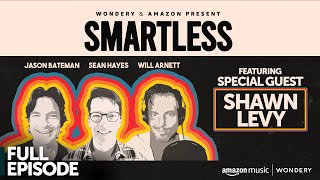
 2h 30m⏭ 1
 1h 31m
 50m
50m 4h 49m
 1h 5m⏭ 1
 1h 9m
1h 9m 2h 45m⏭ 3
 1h 5m⏭ 1
 58m
58m 1h 9m⏭ 3
 4h 52m⏭ 4
 1h 15m
 1h 0m⏭ 1
 33m
33m 46m
46m 3h 54m⏭ 7
 3h 59m⏭ 5
 54m⏭ 1
 1h 13m
 54m⏭ 2
 1h 26m
 45m⏭ 2
 58m⏭ 5
 25m
25m