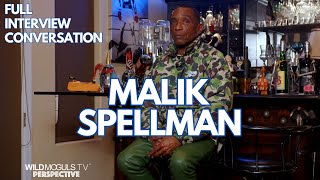
About this episodeThe host and guest discuss a specific incident where a restaurant owner in Atlanta faced backlash for mistreat…AI summary
The host and guest discuss a specific incident where a restaurant owner in Atlanta faced backlash for mistreating a Black family, highlighting the rapid shift from public outrage to the owner's immediate request for a meeting. The conversation explores the complexities of activism, emphasizing that victims of injustice often become overwhelmed by attention and external pressures, requiring activists to exercise patience and empathy rather than immediate condemnation.
Key takeaways 5
Rapid Accountability: Business owners are now responding faster to social justice issues due to immediate digital consequences like negative Google/Yelp reviews and viral posts, often reaching out to make amends before traditional protests occur.
The 'Overwhelmed Victim' Phenomenon: Individuals experiencing injustice for the first time often become overwhelmed by the sudden attention, lawyers, and conflicting advice, leading to behavior that may seem ungrateful or difficult but stems from being overwhelmed rather than malice.
Activist Responsibility and Boundaries: Leaders feel a burden to intervene in their community but must establish boundaries; the host adopted a new policy of only intervening directly if the affected family explicitly requests it, to avoid overstepping or misrepresenting their wishes.
Sincerity vs. Destruction: There is a nuanced view that allowing a business owner an opportunity to make things right (sincerity) is preferable to immediately destroying their business, as the latter can reverse roles and make activists the oppressors.
Independence in Advocacy: The host clarifies that his activism is not paid; he spent his own money traveling for Bernie Sanders and receives no payment from political figures, countering narratives that his critiques or support are bought.
Notable quotes 5AI-generated: wording and quote attribution may be wrong. Use the play link to verify.
“You don't know what you don't know”
▶ 13:41Used to explain why victims of injustice may act in ways that seem uncooperative or difficult; they are often overwhelmed by the situation and lack experience with public scrutiny.
“If somebody is sincere and earnestly said I messed up... that's about the best we can get... that is a the most favorable outcome as anyone could expect”
▶ 4:55The host's perspective on accepting an apology and offer to rectify wrongs from a business owner, rather than demanding immediate closure or destruction of the business.
“I call it sitting in the fire... I can sit in the fire because I've been through it... but that couple... they get overwhelmed by that fire and that attention”
▶ 15:12The host distinguishes his ability to handle public scrutiny due to past experiences from the vulnerability of first-time victims who are not prepared for the intensity of social media backlash.
“Out of every 100 people you help you might get one or two that are that like that but you got to focus on the other 98 that aren't”
▶ 18:29Advice given to the host regarding how to handle criticism or betrayal from individuals he tried to help, emphasizing resilience and focusing on the majority who appreciate the support.
“I did almost 50 events for Bernie Sanders... never made a dime I didn't get I did all that on my own money”
▶ 19:52Clarification of the host's financial independence in activism, refuting claims that his political actions are paid for by Democratic campaigns.
Chapters & Sections (40)▼
0:00Community Response to Social Injusticechapter3
0:00Public Reaction to Social Injustice
0:49Recalling Past Protest Experience and Strategy
1:20Receiving Calls and Responses to a Post
2:11Business Owner's Response to Public Backlashchapter2
2:11Progress in Resolving Social Injustices
3:09Consequences of Racist Business Practices Disclosed
3:57Making Amends After a Business Failurechapter3
3:57Making Amends for Past Business Failures
4:53Reconciliation and Accountability in Conflict Resolution
5:26Meeting Arrangements During Full-Term Pregnancy
5:58Building Trust with Community Leaderschapter3
5:58Trust in Genuine Activists and Organizers
6:30Cultural Identity and Business Ownership
7:12Receiving Death Threats and Safety Concerns
7:38Consequences of Threats and Violence in Publicchapter3
7:38Non-Violent Conflict Resolution Strategies
8:11Consequences of Making Threats Online
8:42Resolving Business Disputes through Conflict Resolution
9:32Leadership Burden in Public Interventionchapter4
9:32Communication Breakdown and Relationship Dynamics
10:16Atlanta's Cultural Significance and Personal Identity
10:46Leadership Burden in Addressing City Injustices
11:27New Approach to Social Activism and Support
12:04Collaboration and Progress in Community Developmentchapter2
12:04Setting Goals for Family Progress and Development
12:40Inclusive Business Practices and Community Engagement
13:49Overcoming Public Injustice and Media Overloadchapter3
13:49Social Injustice and Collective Outrage Response
14:25Consequences of Unjust Experiences and Social Media
15:02Handling Public Pressure and Media Attention
15:49Overwhelmed Individuals in High-Pressure Situationschapter2
15:49Challenges of Making Informed Decisions
16:25Dealing with Overwhelming Public Attention
17:26Dealing with Negative Reactions and Online Criticismchapter5
17:26Confrontation Over Unmet Expectations and Opportunity
18:12Dealing with Negative Reactions to Help
18:48Empathy and Support for Families Seeking Justice
19:27Financial Compensation for Political Activism
20:05Criticism and Authenticity in Public Discourse
 1h 12m⏭ 1
 1h 13m
 1h 22m
 1h 55m
 1h 24m
 1h 1m
1h 1m 1h 42m
 1h 41m
 26m
26m 1h 23m
 51m
51m 2h 32m
 3h 9m⏭ 4
 4h 24m
 40m
40m 4h 52m⏭ 4
 1h 26m⏭ 1
 1h 31m⏭ 4
 2h 27m⏭ 1
 59m
59m 1h 33m
 43m
43m 3h 14m
 3h 0m
3h 0m 11h 23m⏭ 1
 33m
33m 1h 0m⏭ 1
 46m
46m 48m⏭ 2
 3h 54m⏭ 7
 3h 59m⏭ 5
 1h 13m
 38m
38m 54m⏭ 2
 10h 34m
 25m
25m