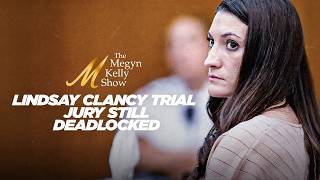
About this episodeThe video analyzes a critical courtroom moment in the Lindsay Clancy trial where the judge refused to remove a…AI summary
The video analyzes a critical courtroom moment in the Lindsay Clancy trial where the judge refused to remove a holdout juror despite evidence of a potential 11-1 not guilty split and the juror's refusal to apply reasonable doubt instructions. Legal expert Joe Kraky argues the judge erred by not conducting an individual voir dire, while the host discusses the strategic implications of the 'dynamite charge' and the likely hung jury outcome.
Key takeaways 5
Legal Standard for Juror Removal: Under Massachusetts law (Commonwealth v. Ronkey), a deliberating juror can only be discharged for reasons personal to that juror, unrelated to the case facts or relationships with other jurors. The judge cited this to deny the defense's motion.
The 'Dynamite Charge' Strategy: The judge issued a 'dynamite charge' (Allen charge), instructing jurors they must follow the law regardless of personal agreement. This is typically the second and final attempt to break a deadlock before declaring a mistrial.
Strategic Open Courtroom Arguments: Defense attorney Kevin Readington insisted on arguing motions in open court rather than sidebar to preserve the legal record for potential appeals and to publicly highlight the jury's division, noting that sidebars screen the public from critical procedural issues.
Jury Composition and Bias: The jury consists of three men and nine women. The defense identified one male juror as the holdout who acknowledged doubt but refused to apply it, suggesting pre-existing personal beliefs may have influenced his impartiality.
Retrial Options: If the jury hangs, the District Attorney could reduce charges from first-degree to second-degree murder and offer a bench trial (judge only), which might be more favorable given the 11-1 split and public sentiment.
Notable quotes 5AI-generated: wording and quote attribution may be wrong. Use the play link to verify.
“A judge must take the utmost caution to avoid invading the province of the jury.”
▶ 7:21Judge Sullivan explains his reluctance to inquire further into the holdout juror's mind, citing legal precedent protecting jury deliberations.
“This is not a case that there's any indication that the juror has refused to deliberate or has any reason... that they would not follow the law.”
▶ 9:06Judge Sullivan's justification for not removing the juror, despite defense claims that the juror lied about following instructions.
“I am specifically not glossing over this issue. I have thought about this issue long and hard.”
▶ 12:34Judge Sullivan responds to defense attorney Kevin Readington's accusation that he was ignoring the serious nature of the juror's refusal to apply reasonable doubt.
“The counting point... courts never want to intrude on the deliberative process. They never want to put their fingerprint on deliberations.”
Joe Kraky explains why judges are hesitant to remove jurors, even when there is evidence of a hung jury or refusal to follow instructions.
“He is as the law states he is not being honest with you at the sidebar. I would go so far as to reluctantly say that the individual has made a false statement under oath to this court.”
▶ 6:04Kevin Readington arguing that the holdout juror lied during voir dire about his ability to follow instructions.
Chapters & Sections (21)▼
0:03Jury Note Disagreement on Reasonable Doubtchapter4
5:23Juror Alleged False Statement Under Oath
7:08Legal Standards for Juror Discharge
8:39Judge Denies Juror Inquiry
10:34Objection to Jury Instruction on Reasonable Doubt
12:51Juror Removal and Judicial Instructionschapter2
16:21Jury Communication and Attorney Dynamics
18:55Juror Removal Due to Doubt
21:42Juror Pressure and Legal Strategychapter2
23:03Preserving Legal Issues and Juror Pressure
25:25Public Access and Sidebar Critique
26:45Jury Deadlock and Retrial Optionschapter2
28:38Jury Deadlock and Mistrial Implications
30:40Retrial Charge Reduction and Judge Decision
32:30Juror Removal Debate and Dynamite Chargechapter2
34:03Juror Note-Taking and Trial Demeanor
35:38Juror Removal and Dynamite Charge Analysis
37:52Juror Holdout and Sidebar Disputechapter1
41:09Public Debate and DNA Evidence Analysis
43:20Kevin Readington vs Patrick Clancy Comparisonchapter1
 53m⏭ 2
 24m
24m 51m
51m 21m
21m 20m
20m 52m
52m 1h 12m⏭ 4
 29m
29m 21m
21m 18m
18m 17m
17m 15m
15m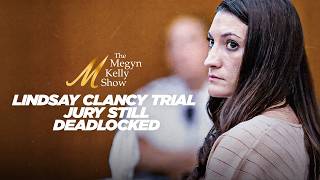 1h 29m
 1h 51m⏭ 1
 1h 1m
1h 1m 38m
38m 3h 4m
3h 4m 4h 4m
4h 4m 11h 54m
 53m⏭ 2
 44m⏭ 1
 44m⏭ 1
 2h 23m
 3h 59m⏭ 5
 11h 23m⏭ 1
 33m
33m 1h 0m⏭ 1
 46m
46m 3h 54m⏭ 7
 48m⏭ 2
 3h 59m⏭ 5
 1h 13m
 38m
38m 54m⏭ 2
 54m⏭ 1
 58m⏭ 5