About this episodeShaka Senghor discusses his book 'Letters to the Sons of Society,' exploring how letter writing facilitated hi…AI summary
Shaka Senghor discusses his book 'Letters to the Sons of Society,' exploring how letter writing facilitated his healing from 19 years of incarceration and complex trauma. He shares raw stories of father-son conflict, the systemic barriers facing formerly incarcerated individuals, and the importance of redefining success through presence rather than achievement.
Key takeaways 5
Letter writing serves as a profound tool for intimacy and truth-telling, allowing for deep emotional processing that digital communication cannot replicate.
True freedom is defined as being uninhibited by false narratives and maintaining mental autonomy regardless of external circumstances, a mindset Senghor developed while incarcerated.
Systemic incarceration creates 'collateral consequences' (40,000+ legal barriers) that restrict re-entry opportunities like housing and insurance, impacting not just the individual but their entire support network.
Parenting success is redefined as being present and authentic; Senghor contrasts performative parenting (ego-driven) with 'eagle parenting' (providing agency and allowing children to self-regulate).
Unresolved childhood trauma, particularly sexual abuse, often manifests in adulthood as misogyny or abusive behaviors; acknowledging this root cause is essential for breaking cycles of harm.
Notable quotes 4AI-generated: wording and quote attribution may be wrong. Use the play link to verify.
“Freedom is so multi-layered for me... to be uninhibited by false narratives... to be able to wake up and know that I can decide and choose what my life experience is.”
Senghor defines true freedom as mental liberation from societal labels and self-imposed limitations, achieved even while physically incarcerated.
“Our entire culture tells us that that's what parents are for to be our heroes... but the truth is parents just need to be there for their children they need to stop what they're doing when their child talks and they need to listen.”
▶ 31:27Critique of performative parenting where success is measured by accolades rather than emotional availability and listening.
“I was trying to save an old version of myself... I didn't account for is that I was writing to myself because his reality was different from my reality.”
▶ 12:52Reflection on a violent confrontation with his son where Senghor realized he was projecting his own unresolved trauma onto his child.
“You are worthy of love... you're worthy of happiness... every moment is an opportunity to recreate to reimagine to rebuild the things that you believe that you're worthy of.”
▶ 1:02:00Final message of hope and empowerment for listeners struggling with their past or current circumstances.
Chapters & Sections (48)▼
0:00Author Discusses New Book on Fatherhood and Societychapter3
0:00Criminal Justice Reform and Social Commentary
1:42Overcoming Childhood Trauma and Family Alcoholism
2:56The Power of Letters in Intimate Relationships
5:26Overcoming Solitary Confinement through Unconditional Lovechapter2
5:26Overcoming Solitary Confinement through Unconditional Love
7:49The Importance of Fathers as Nurturing Role Models
9:48The Power of Letter Writing in Communicationchapter3
9:48The Power of Letter Writing in Communication
11:38Revisiting the Concept of Fatherhood and Identity
13:16Parental Trauma and Co-Dependency Issues
15:45Confronting Trauma and Unresolved Fatherly Issueschapter2
15:45Confronting Trauma and Unresolved Fatherly Issues
18:00Compounded Trauma and Its Effects on Mental Health
19:50Healing from Trauma through Writing and Reflectionchapter3
19:50Healing from Trauma through Writing and Reflection
21:59Defining Personal Freedom and Breaking False Narratives
23:19Mental Freedom and Choice in Adversity
24:41The Power of Journaling and Radical Honestychapter2
24:41The Power of Journaling and Radical Honesty
26:39Challenges of Re-Entry After Incarceration
28:44Impact of Incarceration on Personal Lifechapter3
28:44Impact of Incarceration on Personal Life
30:40The Impact of Incarceration on Families
32:56Redefining Success and Parenting Expectations
34:34Defining Success Through Parenting and Authenticitychapter3
34:34The Importance of Being Present in Silence
36:45Embracing Children's Self-Expression and Individuality
38:00Embracing Childhood Creativity and Individuality
39:20Parental Autonomy and Self-Regulation Techniqueschapter3
39:20Parental Autonomy and Self-Regulation Techniques
41:08Finding Hope in Challenging Circumstances
42:22Influence of Urban Literature on Personal Growth
43:44Finding Hope in Overcoming Adversity Storieschapter2
43:44Finding Hope in Overcoming Adversity Stories
45:54Impact of Illmatic on Personal Life and Art
48:20Celebrating Inspirational Figures in Hip-Hop Culturechapter2
48:20Celebrating Inspirational Figures in Hip-Hop Culture
50:44The Power of Hope and Redemption
52:43Childhood Trauma and Misogyny in Hip-Hop Culturechapter3
52:43Childhood Trauma and Its Lasting Impact
54:17Childhood Trauma and Its Lasting Consequences
56:17Childhood Trauma and Gaslighting in Relationships
57:32Childhood Trauma and Its Impact on Masculinitychapter4
57:32Childhood Trauma and Rape Culture in Masculinity
1:00:18Overcoming Trauma and Finding Inner Strength
1:01:55Embracing Self-Worth and Overcoming Life Challenges
1:03:25Empowering Black Men and Changing Societal Narratives
 1h 23m
 1h 9m
1h 9m 23m
23m 1h 9m
1h 9m 1h 7m
1h 7m 1h 16m
 1h 10m
 1h 2m
1h 2m 1h 28m
 1h 1m
1h 1m 1h 14m
 52m
52m 1h 14m
 48m
48m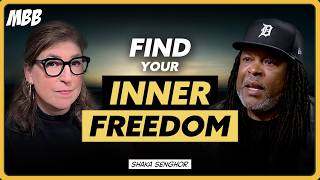 2h 14m⏭ 1
 22m
22m 28m
28m 2h 43m⏭ 1
 52m
52m 1h 16m⏭ 2
 1h 10m
 1h 8m
1h 8m 42m
42m 1h 40m⏭ 1
 2h 10m
 4h 5m⏭ 4
 2h 18m⏭ 3
 2h 24m⏭ 3
 1h 24m
 1h 37m
 11h 23m⏭ 1
 33m
33m 1h 0m⏭ 1
 46m
46m 3h 54m⏭ 7
 3h 59m⏭ 5
 1h 13m
 54m⏭ 1
 58m⏭ 5
 25m
25m 45m⏭ 2
 1h 16m⏭ 2