About this episodeThe guest argues that revenge is a neurologically addictive compulsion rooted in evolutionary psychology, wher…AI summary
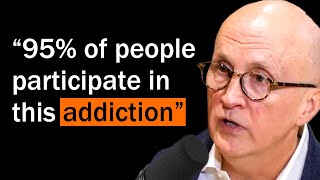
The guest argues that revenge is a neurologically addictive compulsion rooted in evolutionary psychology, where psychological pain activates the same brain reward circuits as drugs and alcohol. He distinguishes this pathological 'revenge addiction' from self-defense and true justice, proposing that forgiveness is a biological superpower that deactivates the pain and craving networks in the brain. The conversation advocates for a public health approach to violence prevention by treating revenge-seeking as a manageable addiction rather than inherent evil.
Key takeaways 7
Evolutionary Origin: Revenge evolved as an adaptive strategy to enforce social norms and protect resources (mates, food) in the Ice Age, but is now maladaptive as it targets trivial modern grievances like ego insults.
Neurological Mechanism: Psychological harms (humiliation, betrayal) activate the anterior insula (pain network), which triggers the nucleus accumbens and dorsal striatum (addiction/reward circuitry), causing a dopamine flood similar to drug use.
The 'Evil' Myth: Most perpetrators of violence see themselves as victims first; the concept of 'evil' is an archaic label for what is actually a compulsive addiction to hurting others to alleviate internal pain.
Gender Differences in Punishment: Studies show that when men punish others, their empathy centers remain dull, allowing them to continue inflicting pain. In women, empathy centers remain active, causing them to stop punishment sooner as they feel the inflicted pain.
Justice vs. Revenge: The legal system often masks revenge-seeking under the brand name 'justice.' True justice involves fundamental fairness and equity, whereas revenge is specifically about punishing past wrongs for gratification.
Forgiveness as Biology: Simply imagining a decision to forgive deactivates the anterior insula pain network and the addiction circuitry while reactivating the prefrontal cortex (executive function), providing physiological benefits like lowered blood pressure and anxiety.
Social Media Amplification: Platforms like Facebook increase user engagement by feeding grievance-forming material, creating echo chambers that facilitate the transition from digital grievance to kinetic real-world violence (e.g., January 6th).
Notable quotes 5AI-generated: wording and quote attribution may be wrong. Use the play link to verify.
“Revenge is punishing people for wrongs of the past. It is not self-defense. It's not trying to protect yourself from an imminent threat of harm...”
▶ 18:37Guest clarifies the critical distinction between reactive self-defense (present threat) and revenge (past grievance).
“Evil is a copout. It doesn't exist... What we have thought of as evil is this overwhelming consumptive compulsion to harm other people to make ourselves feel better.”
Guest reframes violent behavior not as inherent evil but as a treatable addiction driven by victimization.
“We are using the word justice in those cases in warfare cases to destroy... instead of just saying what was true which is we are going to get revenge... we use justice to cover up and excuse... what a 20 plus year war with hundreds of thousands dead.”
Guest critiques the political use of 'justice' to sanitize revenge-driven conflicts like the post-9/11 wars.
“The hammer always experiences the impact of that blow. It can't escape it. And we can't become the instrument of another person's pain without ourselves experiencing some of that pain.”
▶ 55:14Guest explains why revenge fails to provide healing; inflicting pain on others inevitably causes psychological pain to the perpetrator.
“Forgiveness... deactivates that anterior insula pain network... you also deactivate the revenge craving and reward circuitry... it activates your prefrontal cortex.”
Guest provides the neurological evidence for why forgiveness is biologically beneficial and effective.
Chapters & Sections (67)▼
0:00Childhood Bullying and Desire for Revengechapter5
0:00Childhood Bullying and Desire for Belonging
1:33Experiencing Harassment and Violence as a Teen
2:49Vengeance and a Mysterious Explosion
4:11Confrontation with Armed Individuals
5:34Near Fatal Act of Revenge
7:38Evolutionary Origins of Human Revenge Behaviorchapter2
7:38Evolutionary Psychology of Human Revenge Behavior
9:13Human Retaliation as Adaptive Maladaptive Strategy
 2h 15m⏭ 7
 2h 38m
 1h 12m
 1h 8m⏭ 2
 1h 37m
 2h 32m
 1h 5m
1h 5m 1h 23m
 1h 53m⏭ 5
 58m⏭ 2
 1h 53m⏭ 4
 1h 28m
 1h 28m
 1h 2m
1h 2m 1h 47m⏭ 1
 1h 11m⏭ 2
 1h 30m⏭ 1
 2h 46m
 1h 45m
 1h 46m⏭ 3
 1h 40m⏭ 3
 4h 22m
 2h 24m⏭ 8
 3h 11m⏭ 1
 1h 0m⏭ 1
 33m
33m 46m
46m 3h 54m⏭ 7
 3h 59m⏭ 5
 54m⏭ 1
 1h 13m
 54m⏭ 2
 58m⏭ 5
 1h 16m⏭ 2
 45m⏭ 2
 1h 26m