About this episodeMaria Bamford and Camo W discuss the evolution of comedy careers, emphasizing the importance of artistic integ…AI summary
Maria Bamford and Camo W discuss the evolution of comedy careers, emphasizing the importance of artistic integrity over traditional entertainment roles. They explore the challenges of the modern comedy landscape, including DIY career building, the value of mentorship, and the necessity of valifying one's own time and labor. The conversation highlights specific strategies for navigating the industry, such as creating alternative performance venues and leveraging union benefits, while also touching on personal growth and mental health advocacy.
Key takeaways 6
Artistic Integrity vs. Entertainment: Maria Bamford rejects the notion that a comedian's primary job is to 'entertain' at all costs, preferring to maintain her specific artistic voice even if it alienates some audiences. She views this as a privilege but acknowledges the difficulty, contrasting it with comics like Jackie Hishian who prioritize crowd work and adaptability.
DIY Career Building: Bamford is entering a 'DIY year' where she funds her own projects (like her podcast) rather than waiting for industry validation. This involves direct investment in herself and relying on a small, trusted circle for advice rather than traditional management structures.
The Value of Mentorship and Community: Both speakers emphasize the critical role of mentors (like Dwayne Kennedy for Bamford) and peer support systems. They discuss how these relationships provide not just career advice but emotional grounding and validation in a solitary profession.
Valuing Time and Labor: A recurring theme is the importance of setting boundaries regarding payment and time. Bamford shares her practice of paying friends $250/hour for professional advice and her insistence on being paid for documentary work, framing it as a way to respect both her own time and the value of others' labor.
Expanding Comedy Definitions: The conversation touches on how comedy is evolving beyond traditional club settings, with Bamford performing in coffee shops, at 9 AM shows, and via Zoom. This reflects a broader trend where comedians create their own venues and audiences rather than relying solely on established comedy clubs.
Mental Health in Comedy: Bamford’s documentary work and public discussions about her mental health are seen as positive contributions to normalizing these conversations within the industry, providing representation for those who don't fit the traditional comedian archetype.
Notable quotes 5AI-generated: wording and quote attribution may be wrong. Use the play link to verify.
“I definitely have this thing where it's like I can't change my act at all for anyone and you know I don't care how poor a time you're having which yeah is definitely um yeah selfish on my own part. It's just not an entertainer.”
▶ 0:00Bamford explains her refusal to alter her comedic style to please audiences, distinguishing herself from comics who view entertainment as their primary duty.
“I pay everybody 250 bucks an hour, you know, if I'm going to talk about show business with you... I'm not going to pay my friends the worst.”
▶ 26:56Bamford shares her personal policy for compensating peers for professional advice, highlighting her belief in valuing time and labor.
“The idea that it could change things or can bring people to some sort of bliss or that it does somehow make a difference in the universe... I like the idea that it does. So, uh, cuz why not?”
▶ 5:35Bamford expresses her philosophical stance on the impact of comedy, acknowledging its limitations while choosing to believe in its potential positive influence.
“I got 10 grand if you want to know. And then I got a $5,000 bump uh in cash uh in $1 bills uh in a paper bag. Delivered to me on stage.”
▶ 36:04Bamford humorously recounts the payment structure for her documentary with Judah Applebaum, emphasizing the tangible value placed on her participation.
“If you create your own job, then it's the job that you love.”
▶ 46:06A key takeaway from their discussion on autonomy in creative careers, suggesting that self-direction leads to greater satisfaction.
Chapters & Sections (31)▼
0:00Comedy Philosophy and Personal Boundarieschapter3
2:14Dad's Irritability and Learning Under Pressure
3:36Admiration for Misfit Comedians
5:17Comedy's Impact and Comic Ego
6:39Comedy Career Evolution and Performance Venueschapter2
8:40Artist Autonomy and Non-Traditional Comedy Venues
10:11Adapting Comedy Schedule for Family Life
12:14Comedy Performance Logistics and Mentorshipchapter2
14:23Audience Expectations and Remote Performance Challenges
15:52Mentorship and Touring Support
19:26DIY Career and Mentorship in Comedychapter1
22:20Financial Struggles and Pay in Comedy
24:32Asking for Help and Valuing Timechapter2
26:56Negotiating Payment and Self-Worth
28:07Podcast Launch Anxiety and Decision Making
29:58Comedy Benefits and Documentary Filmmakingchapter2
31:34Nonprofit Skepticism and Comedy Club Aversion
34:09Documentary Participation and Financial Compensation
36:52Mental Health Normalization and Roast Culturechapter1
38:31Mental Health Normalization and Roast Culture
42:30Evolution of Standup Comedy and Creator Independencechapter2
44:08Social Media Impact on Comedy Careers
45:57Voice Acting Income and Union Benefits
47:30Comedian's Social Media Boundaries and Roast Critiquechapter1
49:17Social Media Hate and Roast Critique
51:58Comedy Industry Politics and New Materialchapter2
54:09Comedian Pay and New Hour Themes
56:03DIY Release Strategy and Divorce Reflections
58:46Mental Health, Relationships, and LA Causeschapter2
 1h 24m
 51m
51m 1h 22m
 40m
40m 1h 12m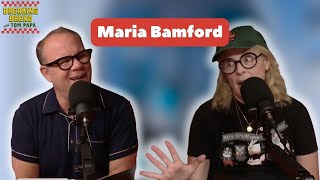
 4h 10m⏭ 2
 1h 23m⏭ 1
 3h 48m
 2h 10m⏭ 1
 2h 1m⏭ 2
 2h 2m⏭ 1
 21m⏭ 1
 44m
44m 2h 30m⏭ 1
 3h 34m⏭ 5
 1h 10m⏭ 2
 1h 41m⏭ 3
 11h 23m⏭ 1
 33m
33m 3h 54m⏭ 7
 1h 0m⏭ 1
 46m
46m 48m⏭ 2
 1h 16m
 3h 59m⏭ 5
 1h 13m
 25m
25m 25m
25m 45m⏭ 2