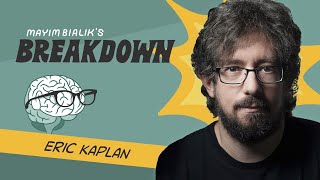
About this episodeEric Kaplan discusses his transition from network television to independent creation, emphasizing the importan…AI summary
Eric Kaplan discusses his transition from network television to independent creation, emphasizing the importance of direct fan engagement through platforms like Patreon. He provides deep analysis of Malcolm in the Middle's writing philosophy, character dynamics, and the show's courageous engagement with economic class, while also promoting his new animated series My Friend Coffee.
Key takeaways 6
Direct Fan Engagement Strategy: Kaplan advocates for creators to bypass traditional corporate intermediaries and connect directly with audiences via Patreon and Discord, citing the energy exchange found in live theater and music scenes as a model for sustainable creative careers.
Comedy vs. Tragedy Framework: Kaplan explains that comedy and tragedy both involve norm-breaking, but in comedy, the norm-breaker is forgiven, whereas in tragedy, they are punished. This framework helps explain why audiences can love characters who behave badly.
Media Literacy Critique: Kaplan argues that social media flattens discourse into simplistic moral judgments (thumbs up/down), preventing nuanced analysis of character motivations and narrative context, leading audiences to mistake character actions for authorial endorsement.
Hal's Character Theory: The showroom mantra 'Hal is not insane. He is a serial enthusiast' reframes his behavior as driven by obsession and fear of failure rather than mental illness, allowing for a more sympathetic and grounded portrayal.
Lois's Moral Philosophy: Lois represents the 'children's eye view' of a mother who must always appear right to install pro-social programming, even if she is faking confidence to maintain authority and keep the family stable.
Economic Class as Core Theme: Kaplan identifies the show's courage in engaging with economic reality and criticizing capitalism as its most groundbreaking feature, contrasting the messy, detailed reality of the family's life with the glossy surfaces typical of network TV designed to sell products.
Notable quotes 5AI-generated: wording and quote attribution may be wrong. Use the play link to verify.
“I'm trying to connect directly with the people who like the kind of writing I do as opposed to via a massive entertainment corporation.”
▶ 2:38Kaplan explains his motivation for starting his own animation studio and engaging directly with fans on Patreon.
“In tragedy, the person who breaks the norms is punished. And in comedy, the person who breaks the norms is forgiven. And that's the anthropological role of comedy.”
▶ 15:11Kaplan's philosophical explanation for why audiences can love characters who make bad choices or act 'ugly'.
“Hal is not insane. He is a serial enthusiast.”
▶ 13:52A note found on the Malcolm in the Middle writer's room wall that defined the approach to writing Hal's character.
“A family is a dictatorship ruled by its sickest member.”
▶ 24:57A quote from Moss Hart cited by Kaplan to describe the family dynamics in Malcolm in the Middle.
“The economics of the medium do affect the kind of choices people make within the individual shows... A glossy surface is better for selling.”
▶ 37:28Kaplan's analysis of why most sitcoms avoid the gritty economic reality that Malcolm in the Middle embraced.
Chapters & Sections (21)▼
0:00Eric Kaplan's Direct Fan Engagement Strategychapter1
2:27Direct Fan Engagement and Patreon
5:41Malcolm in the Middle Writers Family Dynamicschapter2
6:48Olivia Reese Character Analysis and Personal Writing
8:14Joining Malcolm in the Middle
10:46Hal's Character and Comedy Theorychapter2
12:24Lynwood's Intense Scrutiny and Showrunning
13:44Hal's Serial Enthusiasm and Comedy Theory
15:32Media Literacy and Lois's Moral Philosophychapter1
18:47Lois's Moral High Ground and Parenting
21:22Character Dynamics and Visual Comedychapter2
23:35Transactional Family Dynamics and Misery Olympics
25:14Balancing Tone and Visual Gags in Animation
27:23Art, Life, and Serialized Storytellingchapter2
30:41Meta Storytelling and Parental Divorce
32:42Serialized Storytelling and Cliffhangers
34:18Malcolm in the Middle's Impact and My Friend Coffeechapter1
37:04My Friend Coffee Synopsis and Details
39:52Storytelling origins and writer room dynamicschapter2
44:30Personal stories in writer room
46:00Appreciation for philosophical writing
Transcript
Potential ad segments detected:
BETA
Loading transcript...
More from Yes No Maybe: A Malcolm in the Middle Podcast

 3h 57m⏭ 3
 5h 25m⏭ 3
 3h 43m⏭ 4
 2h 37m⏭ 1
 2h 36m
 1h 16m
 53m
53m 1h 46m
 1h 34m
 49m
49m 1h 5m⏭ 3
 50m
50m 11h 23m⏭ 1
 33m
33m 1h 0m⏭ 1
 46m
46m 3h 54m⏭ 7
 48m⏭ 2
 3h 59m⏭ 5
 1h 13m
 1h 16m
 54m⏭ 1
 58m⏭ 5
 24m
24m