Loading transcript...
Click for full transcript
Chapters & Sections (244)
▼
00:00
Host Welcome and Guest Introduction
00:30
Guest Background and Career Highlights
01:32
Host Greeting and Guest Arrival
02:08
Discussion of Complex Life Narrative
03:11
Brooklyn Childhood and Family Dynamics
04:16
Mother’s Educational Convictions and NASA Influence
04:48
World's Fair Exposure and Early Scientific Curiosity
05:21
Science Fiction and Technological Optimism
06:24
Public School System and Academic Opportunities
06:55
Higher Education Pathways and Global Perspective
07:25
Cultural Reflections on Space Exploration and Peace
07:57
Realistic Optimism in Modern Science
08:28
The Need for Romanticism in STEM
09:00
Hope for a Generation of Possibility Seekers
09:31
Living Through the Human Genome Project
10:02
From Code to Sci‑Fi: The Impact of Genomics
10:34
Biology as the New Frontier of Romanticism
11:05
Space vs. Biology: Shifting Frontiers
11:39
Simulation Hypothesis and Existential Wonder
12:11
The Pace of Scientific Revelation Over Centuries
12:42
Early Math Team Leadership and Charisma
13:13
Silver Medal Psychology and Personal Reflections
13:44
First U.S. Participation in the International Mathematical Olympiad
14:16
Traveling to East Germany During the Cold War
14:47
Competition Experience and Cultural Exchange
15:18
Comparing U.S. and Soviet Math Resources
15:50
Personal Transition from Math to Biology
16:20
PhD Achievements at Princeton and Oxford
16:51
Monastic Life and Guilt Over Career Choice
17:23
Mentor Conversation About Happiness
17:55
Teaching Managerial Economics at Harvard Business School
18:25
Realization of Lack of Passion in Economics
18:56
Influence of Younger Brother on Shift to Biology
19:27
Moonlighting in Biology Labs and Genetics Learning
19:57
Fruit Fly and Worm Lab Experience with Gene Complexity
20:27
Encounter with David Botstein After Seminar
20:58
Discussion on Common Diseases and Genetic Complexity
21:28
Argument with Botstein Leading to Human Genetics Work
21:59
Reflection on Serendipity vs. Planned Career Paths
22:31
Discussion of Bill Gates Interview and Flexibility Theme
23:01
Early Thoughts on Human Genome Project and Gene Cloning
23:32
Launch of Human Genome Project and Completion Milestones
24:04
Initial Inquiry About Genome Letters
24:36
How DNA Sequencing Works
25:08
Fragmentation and Base Identification
25:38
Historical Context of the Genome Project
26:08
Skepticism and Support for Sequencing
27:12
Need for Genetic Variation in Disease Research
27:46
Choosing a Donor for the Genome Project
28:18
Random Selection of a Buffalo Participant
28:49
African-American Representation in the Genome
29:20
Mitochondrial DNA and Human Ancestry
29:52
Genetic Diversity Within Africa
30:23
Arbitrary Boundaries in Human Classification
31:26
Collaboration as a New Era in Biology
32:29
Early Data Sharing in Biology
32:59
Anticipating the Data Explosion
33:29
Genetic Variants and Disease Association
34:01
Beyond Single Genes to Pathways
34:31
Gene Expression Across Cell Types
35:01
The Human Cell Atlas Initiative
35:33
Cellular Programs and Gene Regulation
36:04
Evolutionary Repurposing of Genes
36:34
Complexity Without Clear Gene Assignments
37:05
Comparative Genomics with Chimpanzees
38:07
Human Diversity and Shared DNA
39:40
Integrating Biological Data Systems
40:11
Fragmented Medical Records and Patient Access
40:42
Patient Willingness to Share Data for Science
41:14
Cancer Patient Data Sharing Initiative
42:17
Epidemiological Studies and Public Debate
42:50
Role of Trust in Implementing Health Technologies
43:23
Early Collaborative Efforts Around the Human Genome Project
43:53
Transition from Informal Collaboration to Formal Institute
44:24
Meeting with Eli and Edy Brod
45:26
Securing Initial Funding and Endowment
45:56
Broad Institute’s Structural Relationship with Universities
47:30
Patents and Discovery
48:02
Philanthropic Funding Freedom
48:32
Gene-Cancer Drug Development Overview
49:04
Cancer Targeting Genes
49:35
Clinical Trials and Lookup Tables
50:07
Heart Disease and Cholesterol Meds
51:09
Genetic Risk vs Environment
51:43
Schizophrenia Gene Discoveries
52:14
Synaptic Pruning Genes and Insights
53:47
DNA/RNA Basics Explanation
54:17
Double Helix and Replication Mechanics
55:18
DNA Base Pairing and Replication Overview
56:00
Transcription of Genes into mRNA
56:20
Protein Synthesis and Cellular Function
57:22
Therapeutic Targeting of DNA, RNA, or Protein
58:24
RNA Interference and CRISPR Genome Editing Overview
59:28
CRISPR Discovery in Bacteria and Viral Defense Mechanism
1:00:30
Engineering CRISPR for Human Gene Editing
1:01:04
Clinical Applications: Sickle Cell Anemia and Beyond
1:04:11
CRISPR Cutting and Repair Concept
1:04:42
Injecting New Protein for DNA Filling
1:05:13
Evolutionary Background of DNA Repair
1:05:45
Somatic Cell Editing for Disease Prevention
1:06:15
Eye Gene Targeting Example
1:06:47
Embryo Editing and Germline Impact
1:07:17
Distinguishing Somatic vs. Heritable Editing
1:07:49
Ethical Dilemmas of Future Generations
1:08:20
International Commission on Heritable Editing
1:08:52
Scientific Responsibility and Accuracy
1:09:22
Eugenics Concerns and Rare Disease Prevention
1:10:24
Potential Misuse for Performance Enhancement
1:10:55
Immune Resistance and Unintended Health Risks
1:11:26
Microbiome Impact and Unknown Consequences
1:12:29
Defining Scientific Humility
1:12:39
Balancing Opportunity with Patient Duty
1:13:01
CRISPR Ethics in a Global Context
1:13:15
Political Incentives and Fast‑Tracking Gene Therapy
1:13:34
International Norms vs. National Security Concerns
1:13:50
Threshold Discussions in the Commission Report
1:14:06
China’s Gene‑Editing Incident Overview
1:14:20
Legal Consequences for the Chinese Scientist
1:15:06
Details of the Gene Modification Targeted
1:15:38
Ethical Critique of the Experiment Design
1:16:09
Commission’s Governance Recommendations
1:16:39
Science in the Context of Climate and Energy
1:17:09
Personal Anecdotes on Inspiration from Science
1:17:41
Science as a Tool for Equity and Justice
1:18:43
The Role of Evidence in Climate Debate
1:19:17
Scientists Admitting Mistakes as Strength
1:19:50
Balancing Truth and Action in Policy
1:20:20
Host Announces Podcast Release Date
1:20:51
CRISPR in Mice for Sensory Disorders
1:21:23
Routine Use of CRISPR in Research Labs
1:21:53
CRISPR in Human Cancer and Genetic Trials
1:22:26
From Inorganic to Organic Molecules – The Origin Question
1:23:27
Building Cell-Like Structures from Lipids
1:23:59
Speculation on Life’s Emergence and Experimental Gaps
1:24:30
Patenting Engineered Oil‑Eating Bacteria and Supreme Court Case
1:25:34
Patenting Natural Human DNA – Legal Controversy
1:26:06
Supreme Court Ruling on Natural DNA Patents
1:27:09
Amicus Briefs and Scientific Advocacy in the Court
1:27:40
Closing Thank‑You and Farewell
1:29:13
Traveling to Cider Mills
1:29:43
Long Day of Cider Stops
1:30:49
Sleep Record Attempt
1:31:20
Dream Continuation Technique
1:32:22
Meundies as Collectibles
1:32:56
Celebrity Meundie Fantasies
1:33:28
Dog Behavior and House Rules
1:34:32
Rob’s Background and Camera Setup
1:35:33
Eric’s Teaching Style
1:36:04
T‑Rex Skull Auction Story
1:37:38
Discussion of Safety Nets for High-Flying Actors
1:38:09
Idea of Renting Out a Skeleton as a Love Hotel
1:39:13
1964 Jetpack Performance at the New York World’s Fair
1:39:44
Modern Military Jetpacks and Sci‑Fi Comparisons
1:40:16
Speculation on Mass Jetpack Usage and Traffic Management
1:41:17
Privacy Risks of Hovering Jetpacks Near Homes
1:42:51
Discussion of the Rabbit Hole Podcast and Algorithmic Influence
1:43:54
Narrative of Radicalization Through YouTube Recommendations
1:45:28
Genetic Marker Discussion and Schizophrenia Trigger Hypothesis
1:46:00
Japanese Research on Rtn4r Variant and Schizophrenia
1:47:02
Speculative Study Design and Ethical Concerns
1:48:03
Pronunciation of Xi Ping and Transliteration Issues
1:49:05
Phonetic vs. Character-Based Transcription Debate
1:50:40
Medical Experimentation with Chinese Couples and Inventor Identity
1:51:11
Inventor vs. Scientist Roles in Medical Innovation
1:52:14
Ethical Implications of Life Creation and Reproduction Methods
1:53:45
Cultural Observations on Community and Family Structures
1:54:16
Discussion of Harassment in Different Cultural Contexts
1:54:46
Anthropological Conclusion on Workplace Norms
1:55:17
Measuring Suffering as a Moral Metric
1:55:48
Suffering in Historical and Contemporary Contexts
1:56:19
Appropriateness of Workplace Humor Across Cultures
1:56:50
Joking About a Rogue Scientist and Gene Editing
1:57:22
Speculation on Future Villainous Scenarios
1:57:54
Donut Eating Competition and Shared Meals
1:58:25
Expressions of Affection and Personal Reflections
 2h 31m⏭ 2
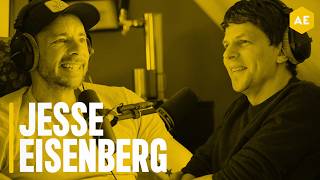 2h 4m⏭ 2
 2h 36m
 1h 28m⏭ 3
 2h 5m⏭ 1
 1h 2m⏭ 2
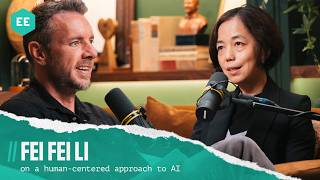 2h 0m⏭ 2
 2h 17m
 1h 14m
 2h 26m⏭ 2
 2h 8m
2h 8m 1h 50m
 2h 33m⏭ 2
 32m⏭ 1
 1h 31m
 51m⏭ 2
 59m⏭ 4
 1h 2m⏭ 1
 36m
36m 1h 2m⏭ 2
 40m
40m 1h 46m⏭ 3
 1h 54m⏭ 1
 32m
32m